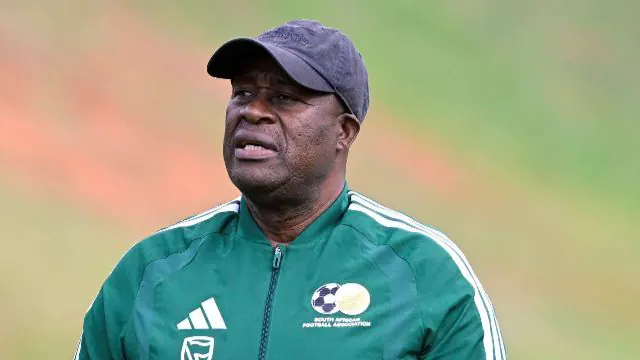
The South African U-23 team has achieved a significant milestone, assembling for camp for the first time in four years and securing a 3-1 win against Tanzania in a friendly match. This accomplishment is a testament to the team's hard work and dedication, as well as the guidance of assistant coach Kabelo Mogudi. The team's success can be attributed to the foundation laid by head coach Raymond Mdaka, who led the U20 side, Amajita, to victory in the Africa Youth Championship.
Under Mdaka's leadership, Amajita conquered the COSAFA region and Africa, and were recognized as one of the world's best in recent months. However, the team's journey to success was not without challenges. Mdaka revealed that the team faced difficulties, including a lack of basic necessities such as suitable accommodation and running water during their preparation for AFCON. Despite these obstacles, the team persevered and achieved the improbable, winning the Africa Youth Championship for the first time and securing a ticket to the World Cup.
The U-23 team's current focus is on finishing in the top two at AFCON next year in Egypt, which would qualify them for the 2028 Los Angeles Olympics. To achieve this goal, the team requires more than just basic treatment; the technical team, including Mdaka, must be adequately supported. Mdaka is currently coaching both the U20s and U23s, and his success in both roles is a testament to his dedication and expertise.
Despite Mdaka's achievements, his remuneration is a concern. It was reported that he was paid under R50,000 on a month-to-month basis by SAFA, which is a significant disparity compared to the salaries of senior team coaches, such as Bafana Bafana coach Hugo Broos, who earns R1.4 million monthly. This pay gap raises questions about SAFA's commitment to investing in the future of South African football.
The issue of Mdaka's pay is not just about him; it is about the sustainability of South African football. If SAFA is serious about building a pathway from Amajita to the U23s and ultimately to Bafana, then it must prioritize the welfare of its coaches and technical teams. Mdaka's success is crucial to the future of South African football, and SAFA must take steps to ensure that he is adequately supported and compensated.
Mdaka's humility and dedication to his work are notable. Despite his achievements, he is described as reserved, soft-spoken, and down-to-earth. His focus on the team's success rather than personal gain is a testament to his commitment to the sport. However, SAFA must recognize the value of his contributions and take steps to ensure that he is fairly compensated and supported.
The U-23 team's final friendly match against Algeria is scheduled for Sunday, and SAFA's investment in Mdaka and the team will be crucial to their future success. The team's progress and achievements will depend on the support and resources provided by SAFA, and it remains to be seen whether the organization will prioritize the welfare of its coaches and technical teams.
Key points
- SAFA must prioritize the welfare of coach Raymond Mdaka and the technical team to ensure the sustainability of South African football.
- The pay gap between Mdaka and senior team coaches, such as Hugo Broos, raises questions about SAFA's commitment to investing in the future of South African football.
- The U-23 team's success depends on the support and resources provided by SAFA, and the organization's investment in Mdaka and the team will be crucial to their future success.