The South African U-23 team has reached a critical juncture, boasting its healthiest state since the 2000 class that qualified for the Sydney Olympics. Recently, the team secured a 3-1 win against Tanzania in a friendly match at Dr Petrus Molemela Stadium. This impressive performance showcased the team's composure, precision, and charisma, as well as genuine chemistry and a sense of belonging among the players. The team's success can be attributed to the hard work and sacrifice of both the players and coaching staff.
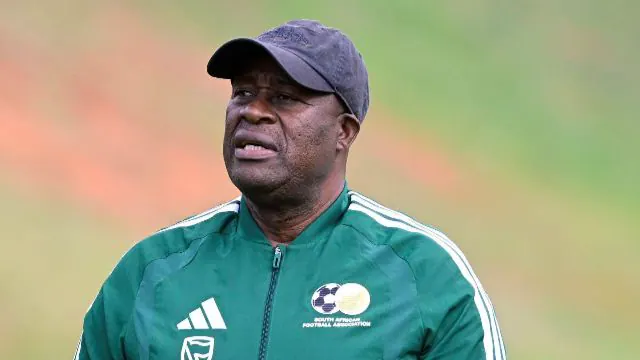
A significant factor in the team's success is the leadership of head coach Raymond Mdaka, who has been instrumental in nurturing the team's talent. Mdaka has also been coaching the U20 side, Amajita, which achieved remarkable success, including conquering the COSAFA region and Africa, and being recognized as one of the world's best. Under Mdaka's guidance, Amajita won the Africa Youth Championship, securing a ticket to the World Cup and opening doors for players to advance to the senior team or secure lucrative moves.
Despite the team's achievements, Mdaka and the coaching staff face significant challenges, including limited resources and inadequate support from the South African Football Association (SAFA). Mdaka revealed that the team struggled with basic necessities, such as suitable accommodation and running water, during their preparation for the African Youth Championship. The team's success, despite these challenges, highlights the need for SAFA to provide better support and resources to ensure the team's continued growth and success.
One of the critical issues facing Mdaka is his low monthly salary of under R50,000, which is significantly lower than that of Bafana Bafana coach Hugo Broos, who earns R1.4 million per month. This disparity raises concerns about pay parity and the value SAFA places on its junior teams' success. Mdaka's achievements demonstrate that he is a vital asset to the team's future, and SAFA must take steps to address the salary divide and provide adequate support to the coaching staff.
The U23 team's next goal is to finish in the top two at the 2027 African Youth Championship in Egypt, which would secure their ticket to the 2028 Los Angeles Olympics. This would mark their first appearance since the 2020 Tokyo edition. To achieve this goal, the team requires more than just basic treatment; the technical team, including Mdaka, must be adequately looked after. SAFA must prioritize the team's needs and provide the necessary support to ensure their continued success.
Mdaka's humility and dedication to his role have contributed significantly to the team's success. Despite his achievements, he remains reserved, soft-spoken, and down-to-earth. His commitment to serving the team and developing its talent is evident, and SAFA must recognize his value and provide the necessary support. The team's future success depends on it.
As the team prepares for their final friendly against Algeria, SAFA must take concrete steps to address the challenges facing Mdaka and the U23 team. This includes providing adequate resources, addressing the salary divide, and recognizing the value of the team's success. By investing in Mdaka and the U23 team, SAFA can build a sustainable pathway for South African football and ensure a bright future for the sport.
Key points
- SAFA must address the salary divide and provide adequate support to coach Raymond Mdaka and the U23 team to ensure their continued success.