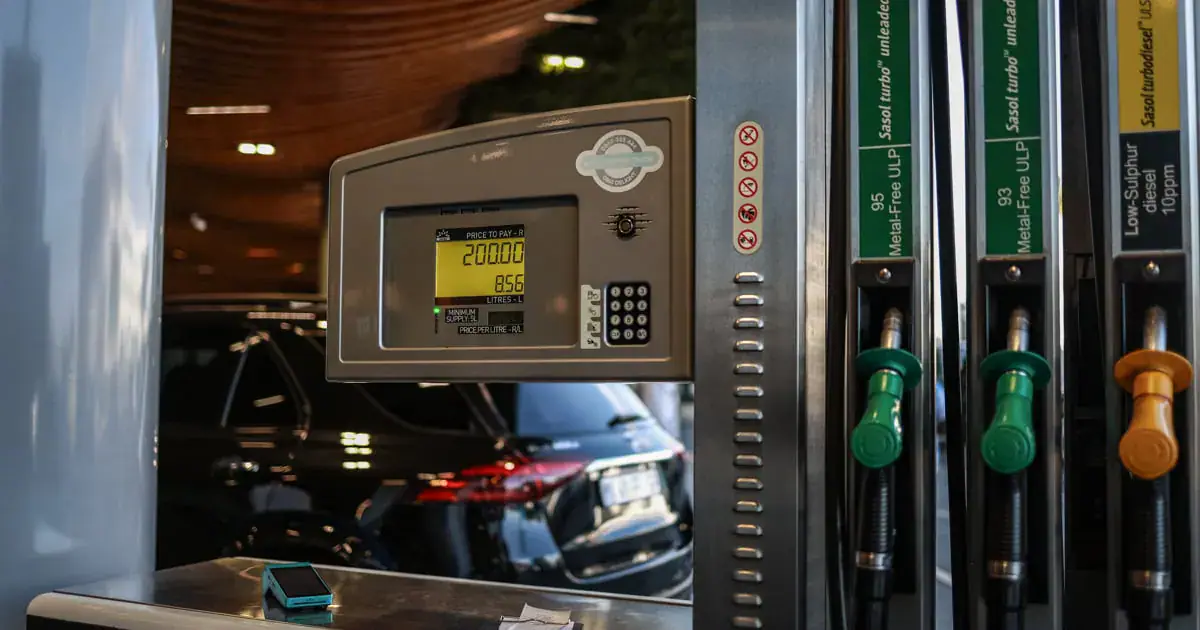
The National Treasury of South Africa is exploring ways to reduce the financial burden on households by potentially scrapping fuel levies. The fuel levy currently accounts for R4.29 per liter in the price of petrol. This levy is a significant contributor to the national fiscus. The Treasury believes that a cut in the fuel levy is the most immediate way to reduce financial stress on struggling households.
The Department of Mineral Resources and Energy (DMRE) is set to announce November fuel prices, and the fuel levy reduction will decrease the price of fuel by R1.50 and diesel by R3. This move is part of a broader effort to counter the cost-of-living crisis. The Treasury has faced calls to scrap the fuel levy completely, but the impact of such a decision can only be determined once the government takes action to change the fuel price structure.
Finance Minister Enoch Godongwana announced a temporary fuel levy reprieve in the mid-term budget. The Treasury's head of taxation, Chris Axelson, defended the decision, stating that the fuel levy relief will have a direct impact on providing relief to households and businesses. Axelson also hopes that the fuel price relief will dampen inflation.
The fuel levy relief will be reduced in December by R1 on petrol and R1.50 on diesel and will extend until early January. This is the second time the Treasury has reduced the fuel levy this year, having also reduced the price of petrol after the tabling of the budget in February.
The reduction in fuel prices is expected to provide relief to households and businesses. However, some critics argue that the temporary measure is not enough to address the cost-of-living crisis. The Treasury has no clear instrument to recover over R30 billion in revenue if the fuel levy is scrapped.
The fuel levy has been a contentious issue, with some arguing that it is a necessary revenue stream for the government, while others see it as a burden on households and businesses. The Treasury is walking a tightrope, trying to balance the need to provide relief to struggling households with the need to maintain revenue streams.
The decision on the fuel levy will have significant implications for the country's economy and households. The Treasury is expected to continue engaging with stakeholders to find a solution that balances competing interests. The outcome will be closely watched by households and businesses struggling with the cost-of-living crisis.
Key points
- The fuel levy accounts for R4.29 per liter in the price of petrol.
- The Treasury has reduced the fuel levy twice this year, with the second reduction extending until early January.
- The decision to scrap the fuel levy completely is complex and requires careful consideration of the potential impact on revenue streams.