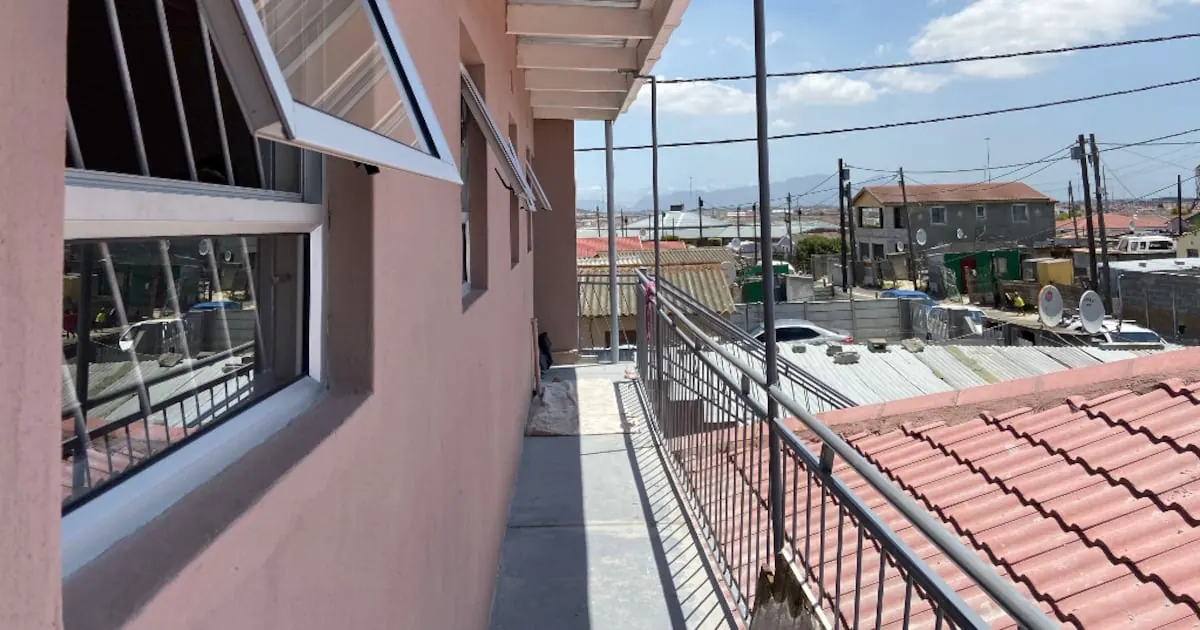
A notable transformation is underway in South Africa's townships, where backyard spaces are being converted into rental accommodations, generating income for homeowners and creating opportunities for builders, suppliers, and financiers. This shift goes beyond a housing story, as it reveals how economic value is being created in townships. Traditional backyard rooms, once basic structures providing low-cost accommodation, are evolving into more formal and better-equipped rental units.
Property owners in many townships are investing in self-contained rooms with private bathrooms, kitchenettes, separate entrances, and parking. Some properties are being developed incrementally, with additional units added as resources become available. This emerging form of township micro-property development is significant, as it converts residential properties into income-generating assets. Rental income helps households meet expenses, finance education, fund further construction, or provide capital for other economic activities.
The concept of the micro-property entrepreneur becomes crucial in this context. These individuals may not identify as conventional property developers, but they are taking existing assets, investing capital, creating accommodation, and generating recurring income. This form of entrepreneurship is expressed through property, demonstrating the resourcefulness of township residents. As the township property market expands, it is essential to recognize the economic opportunities it presents.
The economic impact of backyard rentals extends beyond property owners, connecting multiple parts of the township economy. Each new unit requires various materials and services, such as bricks, cement, roofing, and labor. Once occupied, tenants generate further economic activity through electricity, water, transport, and other services. A single backyard development can therefore have a ripple effect, stimulating economic growth in the township.
However, township property development is not without challenges. Rapid and poorly planned development can strain local infrastructure, including water, electricity, and sanitation. Building standards, safety, overcrowding, and tenant protection are also pressing concerns. Rather than dismissing the economic activity, these challenges should be addressed through better infrastructure, financing, regulation, and property management practices.
Financial institutions, construction companies, and other businesses can capitalize on the township property market by understanding the economic activity taking place and developing products and services around it. For instance, insurers can offer property and rental protection, while technology companies can provide property management and payment solutions. Professional service providers can also play a role in construction, compliance, and accounting.
The township property market represents a potentially important form of local asset creation, enabling households to use existing assets to generate new income and expand their economic footprint. As the market continues to grow, it is crucial to consider who captures the value created and how it can translate into greater local ownership, investment, and wealth. The real question is whether the economic value being created can lead to more significant economic development and opportunities for township residents.
Key points
- The township property market is transforming backyard spaces into income-generating assets, creating opportunities for homeowners and businesses.
- The market presents a chance for financial institutions, construction companies, and other businesses to develop products and services tailored to the needs of township residents.
- Addressing challenges such as infrastructure strain and building standards is crucial to ensuring the sustainable growth of the township property market.