South Africa welcomed 6.6 million international tourists in the first seven months of 2026, representing a 12% increase compared to the same period last year. This growth is largely attributed to a surge in regional visitors, with African tourists accounting for 5.2 million arrivals, up 17% against 2019 levels. In contrast, overseas arrivals reached 1.37 million, remaining 5% below their pre-pandemic level.
The shortfall in overseas arrivals during 2025 alone cost South Africa R6.5 billion in foreign direct tourism spending, before accounting for the broader economic effects. According to BDO South Africa's latest Tourism Trends Report, the country's tourism industry has changed significantly since its peak in 2018 and 2019. As a result, industry players need to adapt their strategies to the new market dynamics.
The tourism sector directly employed an estimated 953,981 people in 2024, accounting for 5.7% of total employment. Tourism added 185,158 jobs that year and contributed R361.7 billion, or 4.9%, to gross domestic product. Total tourism spending in South Africa reached R779.2 billion in 2024, with domestic visitors accounting for 85% of that amount.
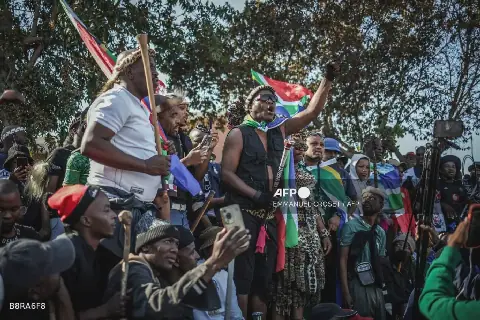
Regional performance was strong across the first seven months, with arrivals from Mozambique increasing by 30%, Zimbabwe by 12%, and Lesotho by 15%. However, African air arrivals lost momentum during the middle of the year, declining by 2% between May and July compared to the corresponding period last year. BDO linked the slowdown to reported Afrophobic tensions.
The recovery in overseas markets has been slow, with Chinese tourists visiting South Africa between January and July down 67% below their 2019 level and 24% lower than a year earlier. India remained 49% below its 2019 level, with arrivals declining by a further 31% compared with the first seven months of 2025. Limited direct flights, disruption to routes through the Middle East, and a need to better understand these markets are cited as continuing challenges.
The increase in arrivals has not been matched by equally strong growth in accommodation income. Income from tourist accommodation, excluding restaurant and bar sales, increased by 2.2% year-on-year in May, slowing from 5.9% in April and 13.7% in March. Hotels recorded growth of 2.8%, while other accommodation establishments increased income by 3.7%.
To boost tourism, the government has set a target of attracting an additional 750,000 international air arrivals by the end of 2027. BDO recommends stronger international marketing, improved air connectivity, an air access development fund, and greater attention to crime and urban decay. The Electronic Travel Authorisation system was officially launched in August 2026, which may help improve the visitor experience.
Key points
- The South African tourism sector is experiencing an uneven recovery, with regional visitors surging while overseas arrivals lag behind.
- The shortfall in overseas arrivals during 2025 alone cost South Africa R6.5 billion in foreign direct tourism spending.
- The government has set a target of attracting an additional 750,000 international air arrivals by the end of 2027.