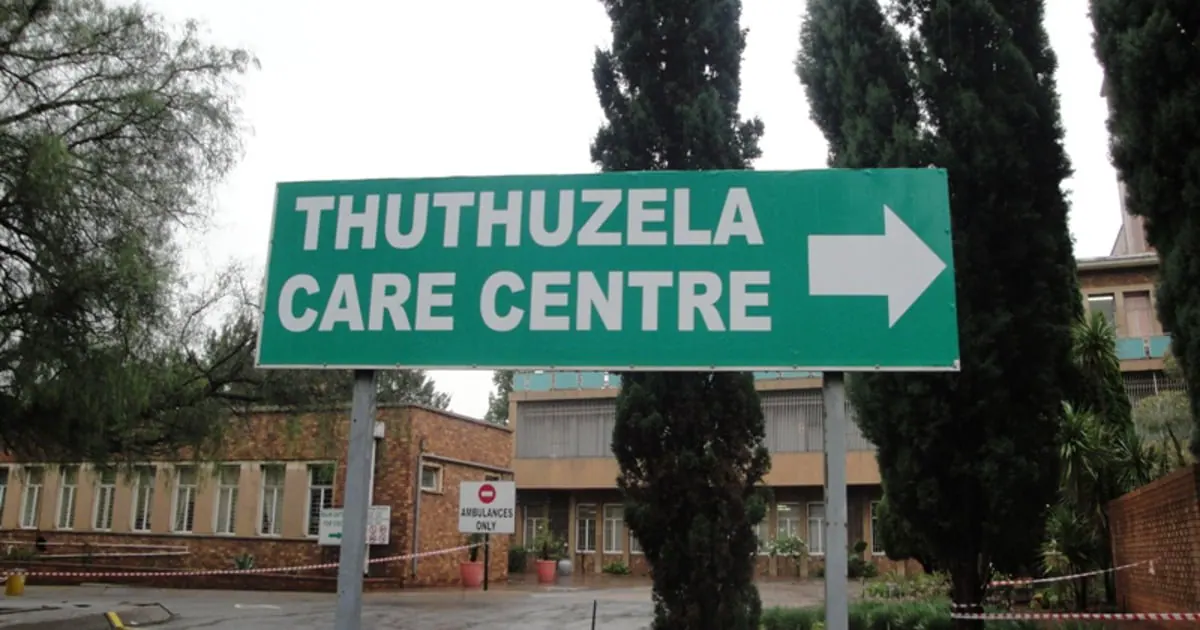
The Commission for Gender Equality (CGE) has expressed concerns over the state of Thuthuzela Care Centres in the Eastern Cape, which provide support to victims of gender-based violence. A recent visit to 11 centres revealed that they were not functioning as intended, despite the concept being sound. The centres are meant to be a core part of the government's response to assisting victims and bringing perpetrators to justice. However, the CGE found that the centres faced several challenges.
One of the major issues identified was the lack of suitably qualified staff, with only one centre having a dedicated medical officer and three having dedicated forensic nurses. The other centres relied on hospital casualty and outpatient departments. This shortage of staff resulted in long waits for assistance for victims, which compromised their dignity. The CGE also found that only four centres attended to patients within the prescribed two-hour period, highlighting the need for improved efficiency.
The CGE also noted that 36% of the centres, including Lusikisiki and Mthatha, did not have an official from the South African Police Service (SAPS) on site. This lack of police presence made it difficult to ensure accountability and oversight. The commission's head of legal, Tsietsi Shuping, emphasized that without resources, it was challenging to hold anyone accountable. The CGE recommended monthly meetings to identify gaps and better coordination between the Department of Health and the National Prosecuting Authority.
The Thuthuzela Care Centres were established to provide a one-stop facility for victims of gender-based violence to receive medical, psychological, and social support, as well as to facilitate the collection of evidence and the prosecution of perpetrators. However, the CGE's findings suggest that the centres are not meeting their intended objectives. The commission's report highlighted the need for a standardized procedure for handling gender-based violence cases and improved resources.
The CGE's report was presented in Parliament, where the issue of gender-based violence was highlighted as a major concern. The report's findings were described as "grim" and emphasized the need for urgent action to address the challenges facing the Thuthuzela Care Centres. The commission's recommendations included the need for better coordination between government departments and the establishment of a formal legislated arrangement for the centres.
The South African government has committed to allocating more resources to fight gender-based violence. President Cyril Ramaphosa has emphasized the need for a multi-faceted approach to address the issue, including the provision of support services for victims. The CGE's report highlights the need for a comprehensive and coordinated response to address the challenges facing the Thuthuzela Care Centres and to ensure that victims of gender-based violence receive the support they need.
The CGE's findings have significant implications for the provision of support services for victims of gender-based violence in South Africa. The report highlights the need for urgent action to address the challenges facing the Thuthuzela Care Centres and to ensure that victims receive the support they need. The commission's recommendations provide a framework for improving the effectiveness of the centres and ensuring that victims of gender-based violence receive a comprehensive and coordinated response.
Key points
- The Commission for Gender Equality found that Thuthuzela Care Centres in the Eastern Cape were not functioning as intended due to a lack of suitably qualified staff and inadequate transport arrangements.
- Only one of the 11 centres visited by the commission had a dedicated medical officer, while only three were staffed with dedicated forensic nurses.
- The CGE recommended monthly meetings to identify gaps, better coordination between government departments, and a standardized procedure for handling gender-based violence cases.