China's Xinjiang region, a land of extremes, is home to the Taklamakan Desert, one of the harshest environments on Earth. The region's arid climate and limited rainfall have historically made it difficult for human habitation. However, the discovery of underground aquifers and oil reserves has led to a massive transformation of the region. The Chinese government has invested heavily in Xinjiang, with the goal of turning it into a valuable territorial holding to be tamed and exploited.
The Xinjiang Production and Construction Corps (XPCC), a corporate unit of the Chinese army, has played a crucial role in the region's development. Established in 1954, the XPCC has been responsible for seizing land, implementing training programs, and launching state-backed companies. The corps has also been involved in the relocation of over 2.5 million people per year between 2014 and 2019 through labor transfers. While the XPCC's tactics have been criticized, its work has been effective in transforming Xinjiang into a major producer of cotton, tomatoes, and other crops.
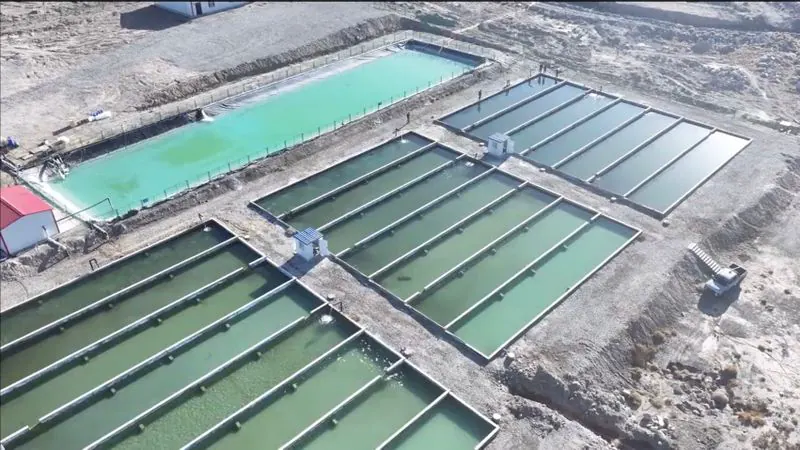
In a surprising twist, the Chinese are now growing fish in Xinjiang, a region often referred to as the most landlocked spot on the planet. The discovery of underground aquifers, including those beneath the Taklamakan Desert, has made it possible to establish large-scale fish farms. One such farm, the Hotan Yujianjianglai Aquaculture Company, began raising cod, bass, and carp on a 13-acre site on the southern edge of the Taklamakan Desert in 2023. The company estimates that it produces around 280 tonnes of seafood annually.
South Africa's sardines and anchovies are contributing significantly to China's desert fish farming boom. The country's seafood is being used to feed the massive fish farms in Xinjiang, which are transforming the region's economy. The 'Blue Miracle' of fish farming in Xinjiang is a testament to China's innovative approach to aquaculture. By leveraging underground aquifers and importing seafood from other countries, China is able to produce large quantities of fish and other seafood in one of the most inhospitable regions on Earth.
The use of South African sardines and anchovies in China's fish farms highlights the global nature of the aquaculture industry. The industry is increasingly complex, with different countries contributing to various stages of production. While China's fish farming industry has been criticized for its environmental and social impacts, it is also providing new opportunities for countries like South Africa to export their seafood.
The development of Xinjiang's fish farming industry has significant implications for the region's economy and environment. The use of underground aquifers for fish farming has raised concerns about the sustainability of the industry, as well as its impact on local ecosystems. However, the industry also provides new opportunities for economic growth and job creation in the region.
As China's fish farming industry continues to grow, it is likely to have a major impact on the global seafood market. The industry's reliance on imported seafood, including South African sardines and anchovies, highlights the need for more sustainable and equitable trade practices. With the global demand for seafood expected to continue growing, the development of sustainable and responsible aquaculture practices will be crucial for the future of the industry.
Key points
- China's Xinjiang region is transforming into a major fish farming hub, with South African sardines and anchovies playing a crucial role in this 'Blue Miracle'.