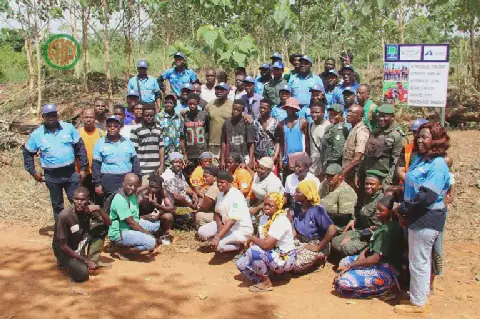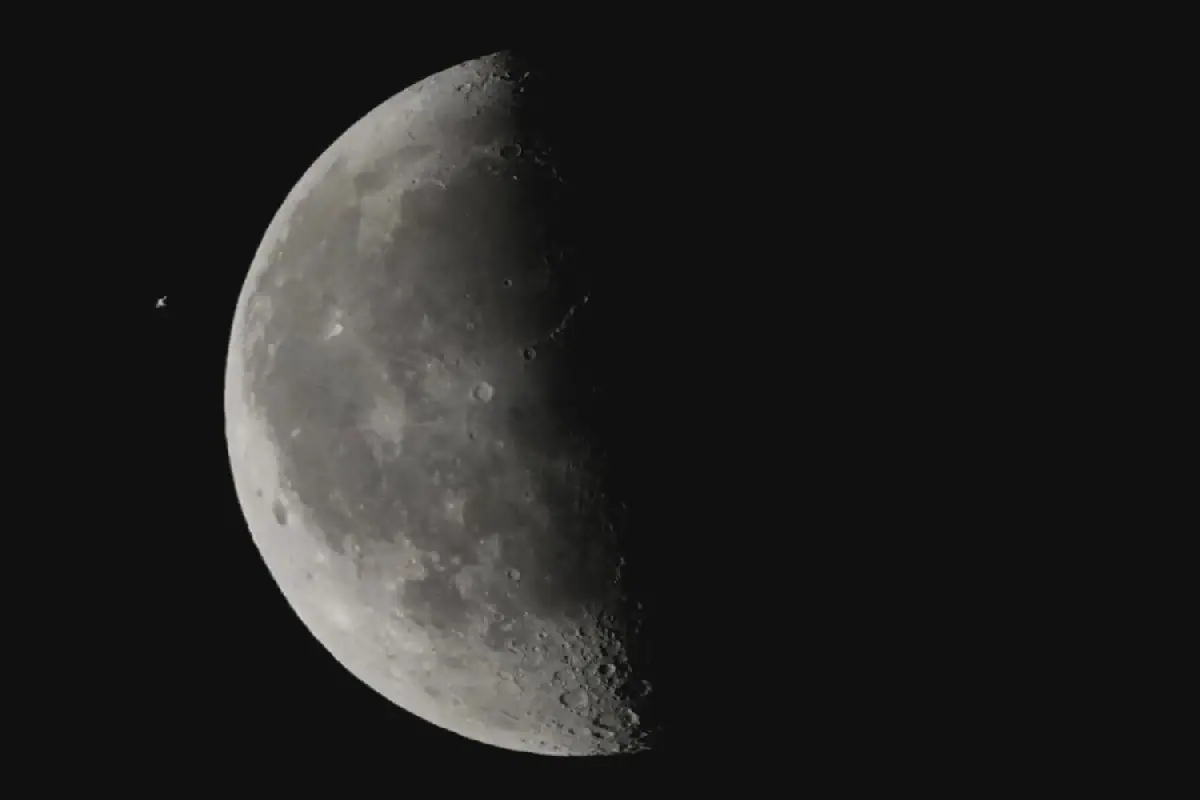
South Africa's iconic Rooibos plant is on the verge of a groundbreaking journey into space. More than 17,000 seeds, weighing approximately 74.2g, are set to travel to the United States for preparation ahead of their spaceflight. The seeds will be secured inside a specialized research module known as a Nanolab at Voyager Technologies in Texas. This marks a significant milestone for the Rooibos in Space project, a collaboration between the South African Rooibos Council and MaxIQ Space.
The experiment is scheduled to fly to the International Space Station aboard the Cygnus NG-25 commercial resupply spacecraft, with the launch expected between December 2026 and January 2027. Initially slated for an October flight, the mission was rescheduled due to changes in the Voyager and NASA flight schedule. The seeds will spend an estimated four to six weeks in space, exposed to microgravity and space radiation, before returning to Earth for further research.
The project aims to investigate how Rooibos, an indigenous South African plant, responds to the extreme conditions of space. The seeds have been divided into three batches: untreated, scarified, and scarified and treated with a protective agricultural coating. Researchers will compare the space-exposed seeds with control samples that remained on Earth to determine the effects on germination, growth, and plant development.
Dawie de Villiers, director of the South African Rooibos Council, expressed excitement about the milestone, stating it is an important moment for the industry and the country. The scientific objective is to explore the effects of space conditions on Rooibos seeds, opening up new opportunities to learn more about this uniquely South African plant.
Once the seeds return, researchers will work with schools in the Cederberg, Rooibos' natural growing region, and Parklands College to plant the space-exposed seeds alongside control samples. Over 18 months, pupils and researchers will monitor and compare germination, growth patterns, and plant development. This initiative aims to give young people the opportunity to participate in a real scientific investigation while developing practical skills in STEM.
Cyril Ngqwala, a Rooibos seed technician, finds the experience of preparing the experiment and assembling the Nanolab to be incredible. He highlights the opportunity to bring traditional seed knowledge together with space science. The mission will mark the first time a South African indigenous plant seed has been sent into space for this type of research.
The wider initiative has already included school engagement and a national Mission Patch competition, which invited young people to design a patch for the mission. The project is expected to inspire a new generation of scientists and engineers while expanding knowledge of the Rooibos plant's adaptability and resilience.
Key points
- The Rooibos in Space project aims to investigate how Rooibos seeds respond to microgravity and space radiation.
- Over 17,000 Rooibos seeds are set to travel to the International Space Station between December and January.
- The project includes a educational component, with schools in the Cederberg region and Parklands College participating in the experiment.