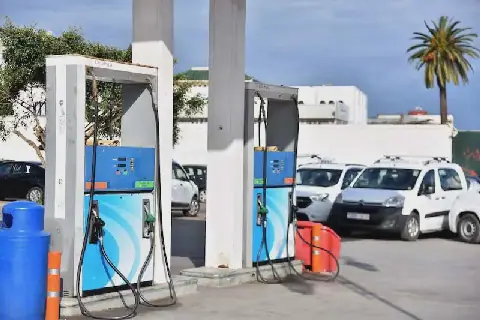
The Road Accident Fund (RAF) in South Africa is facing a severe crisis, with unpaid claims and costly payouts mounting, while revenue from the fuel levy is declining. The fund's current model is unsustainable, and a fundamental overhaul is necessary to ensure its viability. The RAF's crisis presents an opportunity to reform the system, protecting victims of road accidents while addressing issues of inequality. According to experts, the fund's funding model and payout structures require urgent attention.
The RAF's troubles have been long-standing, with reports of unprocessed claims and poor management under former CEO Collins Letsaolo. Letsaolo's tenure was marked by controversy, including the use of fund resources for personal expenses, such as employing bodyguards as laborers on his farm. His failure to account to Parliament further exacerbated the situation. The newly appointed RAF CEO, Waseem Carrim, has acknowledged the fund's problems and emphasized the need for change.
Carrim has identified both demand and supply-side issues that need to be addressed. With rising fuel prices and a shift towards electric vehicles, revenue from the fuel levy is expected to decline significantly. This decrease in revenue will necessitate a re-evaluation of the fund's payout structures to ensure sustainability. Carrim suggests that payouts should be "commensurate with what should be paid out," implying a more nuanced approach to compensation.
Deputy Transport Minister Mkhuleko Hlengwa has also called for major reforms, citing the current system's ineffectiveness. Hlengwa, who chaired parliamentary hearings on the RAF, has emphasized the need for a comprehensive overhaul. One of the key challenges in reforming the RAF is balancing the need to protect victims with the need to ensure the fund's sustainability. The current system was designed to prevent victims from suing those responsible for accidents, which can lead to financial ruin.
A significant concern in reforming the RAF is the funding mechanism, which relies on the fuel levy. This approach has been criticized for being regressive, as it disproportionately affects those who rely on fuel-guzzling vehicles, often due to limited access to alternative transportation. The use of a regressive tax has sparked debate, with some arguing that a more equitable system is needed. One possible solution is to pool the insurance risk across a broader population, which could be managed through the state.
Experts suggest that a thorough review of the RAF's payout structures is necessary to ensure fairness and sustainability. The 2010 case of a Swiss man who received over R500 million in compensation for motorbike accident injuries highlights the complexities of determining fair payouts. Actuaries may be able to develop formulas to estimate future costs for accident victims, but this will require careful consideration. The reform process is expected to involve public debate and input from experts.
The RAF's crisis presents an opportunity for South Africa to reimagine a new and more effective system for supporting accident victims. The reform process will require careful consideration of various factors, including funding mechanisms, payout structures, and the need to protect vulnerable populations. Key stakeholders, including government officials, experts, and the public, will need to engage in a thoughtful and inclusive dialogue to develop a sustainable solution.
Key points
- The Road Accident Fund's crisis presents an opportunity for reform to protect victims without exacerbating inequality.
- The fund's current model is unsustainable due to declining revenue from the fuel levy and mounting unpaid claims.
- Experts recommend a thorough review of payout structures to ensure fairness and sustainability.