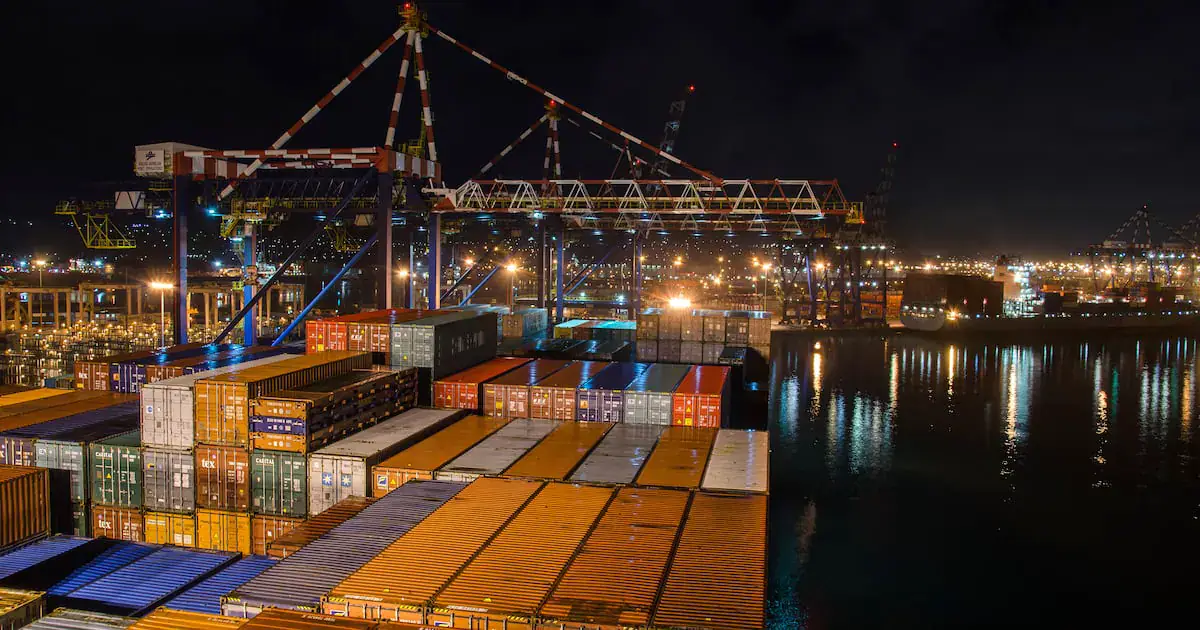
Business Leadership South Africa (BLSA) is set to meet with the leadership of the Durban Gateway Terminal (DGT) to address congestion and vessel delays at the port. The DGT, which took over control of the Durban Container Terminal Pier 2 in January, has been experiencing problems since introducing a new operating software, Navis N4, in August. The software upgrade has resulted in downtime, delays, and congestion. BLSA CEO Busi Mavuso expressed concern over the delays, stating that they undermine efforts to promote reforms in the country.
The DGT is operated by International Container Terminal Services Inc, a Philippine-based group, which owns a 49% stake through a 25-year concession awarded in 2025. Transnet has retained a 51% ownership in the terminal. Despite the challenges, Mavuso noted that terminal executives have engaged with companies and kept them updated on the progress. The meeting between BLSA and DGT aims to understand the challenges faced by the terminal and find solutions to improve the system. The DGT is replacing its current trucking appointment system with a digital solution to enhance efficiency.
BLSA's quarterly reform tracker for July to September shows that South Africa is making progress in various sectors, led by digital transformation, freight logistics, and energy reforms. The reform index for the September quarter rose to 28.4% above the starting point when tracking began in March 2024. The reform completion index rose to 72.5 in the third quarter of 2026, up from 71.3 last quarter. This is the highest reading since tracking began. The tracker underscores the progress made by the government across multiple reforms.
The reform tracker highlights progress in digital transformation, including the launch of the zero-rated government website gov.za. There has also been progress in water reforms with the introduction of the national water action plan. In energy, the country has gone more than 470 days without load-shedding, with Stuart Theobald, chair of Krutham, stating that load-shedding is a thing of the past. The rail access agreement was signed in September, enabling cargo owners to secure rail capacity directly and then hire an operator.
Despite the progress, Transnet faced setbacks after the Fundudzi Forensic Services report in April found R1.2bn in irregular and fruitless expenditure at Transnet Port Terminals (TPT) at Richards Bay over procurement of equipment. The concession at DGT is one of the first efforts to concession a port and has faced legal challenges. Krutham said it is essential that it sets a precedent for future port concessions. The latest network statement was issued, which includes positive innovations such as the introduction of the concept of an "access seeker".
The introduction of lender protections and safety compliance costs being carried by the infrastructure manager rather than train operating companies (TOCs) are significant improvements. These changes remove some of the risk for private sector access seekers and make participation in the network more attractive. However, Mavuso noted that there has been a lack of movement in the criminal justice system category of reforms. The Financial Action Task Force's (FATF's) assessment of South Africa and inadequate government measures against corruption are areas of concern.
The FATF started its fifth round mutual evaluation of South Africa in mid-2026, after the country's removal from the grey list in October 2025. South Africa had successfully addressed 22 items, but the most challenging relating to state capture legacies, particularly weak law enforcement and prosecution capacity for complex crimes and money laundering. The country was always going to be vulnerable in this current assessment round, with the disclosures at the Madlanga commission likely to be an area of focus for the FATF.
Key points
- The reform tracker shows progress in digital transformation, freight logistics, and energy reforms.
- The Durban Gateway Terminal is experiencing congestion and vessel delays due to a new operating software.
- The Financial Action Task Force's assessment of South Africa and inadequate government measures against corruption are areas of concern.