South Africa is investing over R1 trillion in public infrastructure over the next three years, as announced by President Cyril Ramaphosa in the 2026 State of the Nation Address. However, the success of this major national undertaking depends not only on funding and construction but also on the people and institutions responsible for planning, building, inspecting, operating, maintaining, and protecting these assets. The country's deteriorating infrastructure, including roads, water networks, and public buildings, highlights the consequences of inadequate maintenance and shortages of technical personnel.
The Auditor-General's 2024/25 local government audit findings reveal the scale of the problem, with 101 out of 129 infrastructure projects examined across 59 municipalities and three municipal entities having audit findings. The average project delay was 25 months, and 22 out of 35 wastewater treatment works inspected discharged wastewater that did not meet required standards. These failures undermine service delivery and place additional pressure on the already constrained public fiscus.
The South African Human Rights Commission's November 2026 inquiry into water and sanitation in Gauteng highlights the relationship between infrastructure failure and institutional capacity. In Tshwane, the infrastructure backlog is estimated at R23 billion, with annual water losses of about 39%, valued at R1.7 billion. The City's Water and Sanitation Business Unit has 768 unfunded positions, alongside significant staffing and technical capacity constraints.
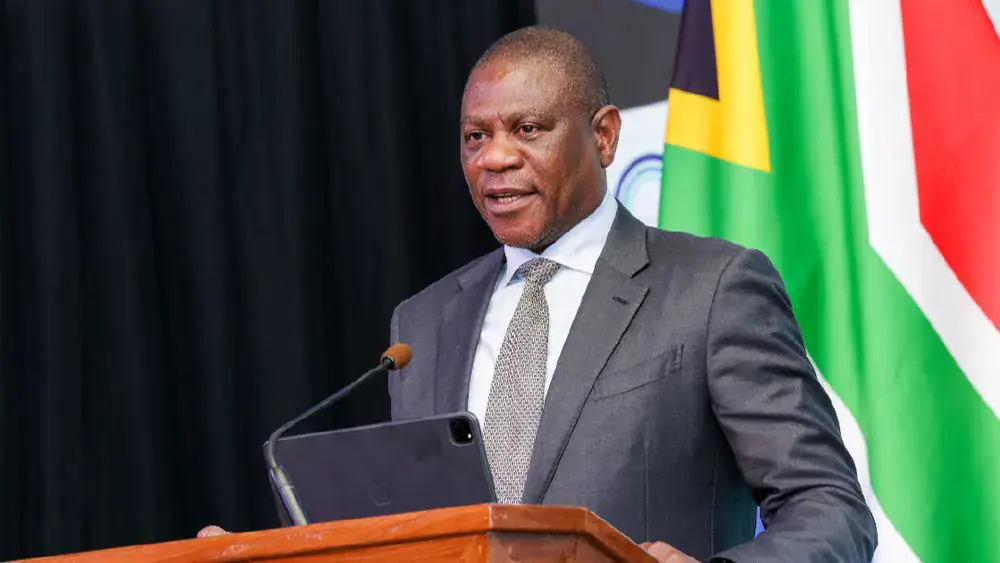
Deputy President Paul Mashatile has identified implementation gaps, weak coordination, and uneven ownership as obstacles to the infrastructure drive, calling for the Human Resource Development Council (HRDC) to intensify its role as convener, monitor, and problem-solver. The response to the infrastructure crisis must be national, coordinated, and practical, and it coincides with another major challenge: the exclusion of young people from economic participation.
Many young people, including graduates in Civil Engineering and the Built Environment, are not in employment, education, or training (NEET). These graduates have completed recognised academic qualifications but lack the workplace experience needed to translate their qualifications into practical competence. Mobilising this existing talent to address actual national priorities is crucial, particularly when infrastructure is deteriorating and the public fiscus is under severe strain.
A "National Classroom" approach can connect academic institutions, government, professional bodies, and industry around real infrastructure needs. Municipalities and government departments should urgently open public infrastructure assets and projects as supervised workplace-learning environments for qualified students and graduates. The Building Inspector Development Programme, coordinated through Thamsanqa Career Pathways (TCP) in partnership with the University of Johannesburg (UJ), provides a practical and tested example of this approach.
The programme combines six months of academic learning with six months of supervised workplace learning and has produced 248 graduates. The government must identify suitable assets and projects and make them accessible for structured, supervised workplace learning. This approach can extend across water, sanitation, roads, bridges, and public buildings, each supported by appropriate academic and occupational pathways, to address the skills and maintenance challenges facing South Africa's infrastructure drive.
Key points
- The success of South Africa's R1 trillion infrastructure investment depends on addressing skills shortages and maintenance backlogs.
- A "National Classroom" approach can mobilise existing talent to address actual national priorities.
- The Building Inspector Development Programme provides a practical example of connecting academic institutions, government, and industry around real infrastructure needs.