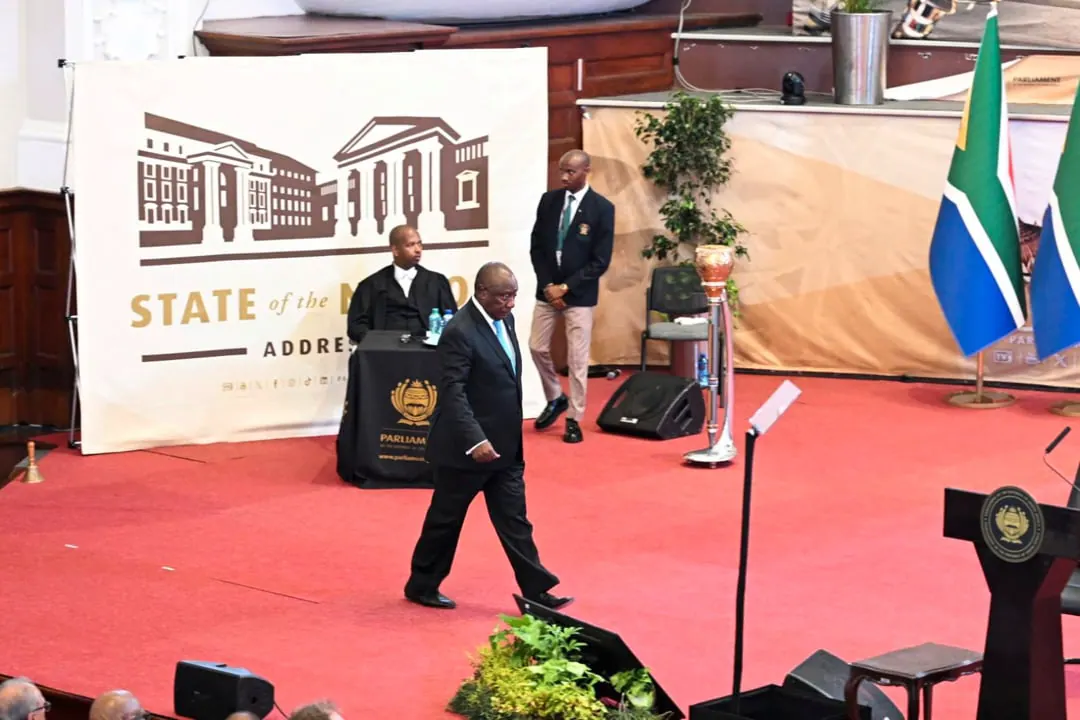
The South African government's plan to bolster its labour inspectorate has hit a roadblock due to a shortage of funds. President Cyril Ramaphosa had announced in his February state of the nation address that the government would be increasing the number of labour inspectors to improve working conditions and enforce labour laws. However, the implementation of this plan has been hindered by a lack of funding, which has raised concerns about the government's ability to effectively regulate the labour market.
The labour inspectorate plays a crucial role in ensuring that employers comply with labour laws and regulations, including those related to occupational health and safety, wages, and working conditions. The inspectorate is responsible for conducting inspections, investigating complaints, and taking enforcement action against non-compliant employers. With a shortage of inspectors, the government has struggled to effectively monitor and regulate the labour market, which has led to concerns about worker exploitation and poor working conditions.
According to the South African National Treasury, the country has a significant shortage of labour inspectors, with many areas of the country having little to no inspectorate presence. This has created a situation where many employers are able to operate with impunity, ignoring labour laws and regulations with little fear of consequence. The Treasury has acknowledged that the shortage of inspectors is a major challenge and has pledged to work with the Department of Employment and Labour to find a solution.
The Department of Employment and Labour has stated that it is working to address the shortage of inspectors, but the process has been slow due to budget constraints. The department has called for increased funding to support the expansion of the labour inspectorate, which would enable it to effectively regulate the labour market and protect workers' rights. However, with the current fiscal constraints facing the government, it is unclear when additional funding will be made available.
The shortage of labour inspectors has significant implications for workers in South Africa, who are already vulnerable to exploitation and poor working conditions. The labour inspectorate plays a critical role in protecting workers' rights and ensuring that employers comply with labour laws and regulations. Without a sufficient number of inspectors, workers are at risk of being exploited, and their rights may not be protected.
The South African government has faced criticism for its handling of the labour inspectorate, with some arguing that it has not done enough to address the shortage of inspectors and protect workers' rights. The government has responded by stating that it is committed to addressing the challenges facing the labour inspectorate and protecting workers' rights, but it is clear that more needs to be done to address the issue.
The implementation of the plan to increase the number of labour inspectors is crucial to addressing the challenges facing the labour market in South Africa. The government must find a way to address the funding issues and ensure that the labour inspectorate has the resources it needs to effectively regulate the labour market and protect workers' rights.
Key points
- The South African government's plan to employ more labour inspectors is facing a significant obstacle due to a lack of funding.
- The labour inspectorate plays a crucial role in ensuring that employers comply with labour laws and regulations.
- The shortage of inspectors has significant implications for workers in South Africa, who are already vulnerable to exploitation and poor working conditions.