A recent World Health Organisation (WHO) audit of cancer services in South Africa's public health system has found that the country is failing to provide adequate palliative care, particularly for children. The audit, known as an imPACT Review, is yet to be published. According to research carried out by UNICEF and the International Children's Palliative Care Network, more than 800,000 children each year in South Africa have life-limiting illnesses. However, there are only five children's hospices in the country.
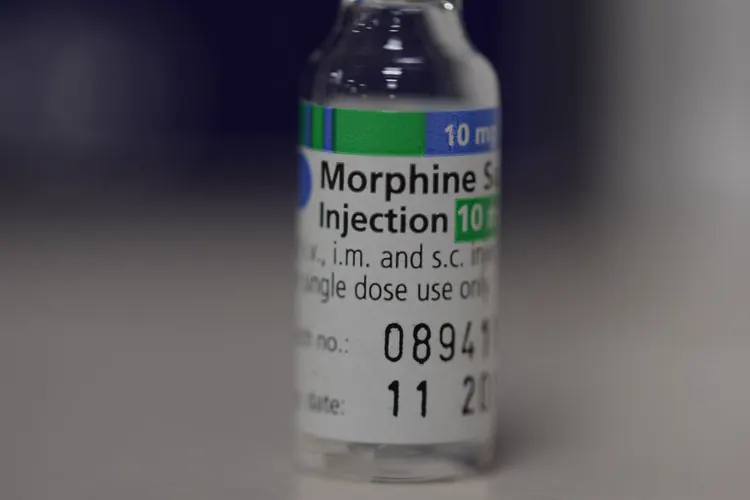
Social worker Taryn Bell has witnessed firsthand the devastating consequences of inadequate palliative care. She recalls a one-month-old baby with congenital heart disease who died screaming in pain due to a lack of access to morphine. The baby's mother had been prescribed low-dose morphine by a paediatrician, but the medication was out of stock at the local hospital. Despite efforts to obtain the medication from a nearby town, the hospital staff refused to administer it, and the baby ultimately died in agony.
The shortage of specialist palliative care services is a significant challenge in South Africa. The Department of Health employs only one specialist in paediatric palliative care, Dr Julia Ambler, who works for just ten hours a week. Ambler believes that doctors are often afraid to administer morphine, citing concerns about the risk of overdose or addiction. However, she notes that with careful titration, morphine can be a safe and effective treatment for pain management.
Access to essential medications is also a major issue. While liquid morphine is available in the country, it often fails to reach rural areas. Additionally, medications like Pregabalin and Gabapentin, which are used to manage nerve pain, are not provided by the KwaZulu-Natal health department due to cost constraints. As a result, families are often forced to purchase these medications privately, at a significant financial burden.
Poverty is a significant underlying factor in the lack of access to palliative care services. Professional nurse and midwife Joan Marsten notes that many families are unable to access strong medications like morphine due to financial constraints. Furthermore, hospital administrators report that many cancer patients, including children, must travel long distances to receive oncology services, often with inadequate support or resources.
The lack of palliative care services is particularly pronounced in rural areas. Step-down facilities that once provided some palliative care, established during the peak HIV period, have largely closed. As a result, families in rural areas are often left without access to essential care and support. Traditional healers often play a significant role in providing care, but their approaches may not be aligned with Western medical practices.
Efforts to improve palliative care services are underway, including education and training programs for healthcare professionals. Dr Ambler notes that there is a growing recognition of the importance of palliative care, and a shift towards more holistic approaches to care. However, much work remains to be done to address the significant gaps in services, particularly for children with life-limiting illnesses.
Key points
- South Africa's public health system is failing to provide adequate palliative care, particularly for children with life-limiting illnesses.
- The shortage of specialist palliative care services and essential medications is a significant challenge.
- Poverty and lack of access to resources are major underlying factors in the lack of access to palliative care services.