The aftermath of the South African election has seen former President Jacob Zuma questioning the integrity of the process, a tradition that has become all too familiar in the country's politics. However, the real verdict is clear: voters are increasingly disillusioned with the African National Congress (ANC). The party's disastrous results will have far-reaching consequences for its members, who now face an uncertain future in the job market.
President Cyril Ramaphosa faces a challenging final year as head of the ANC, with the party's decline likely to continue. The ANC's struggles will be a major concern for Ramaphosa, who will have to navigate the party's internal dynamics while trying to revive its fortunes. The party's decline has also raised questions about its ability to govern effectively.
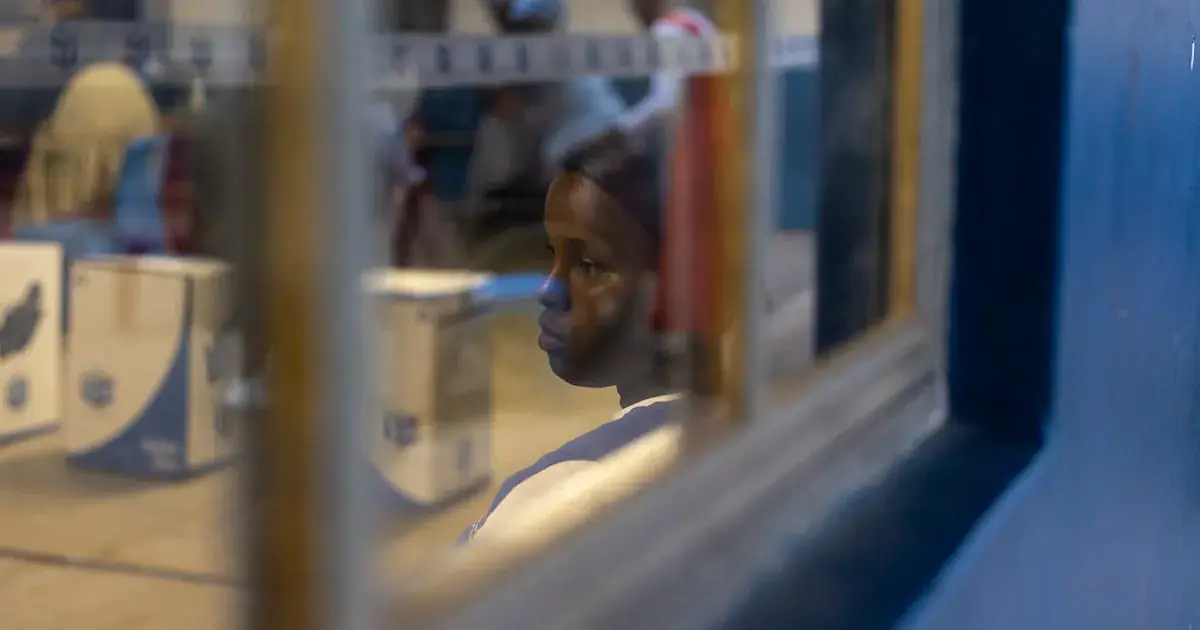
Despite the focus on voters and their choices, a significant group has been largely overlooked: non-voters. In the recent election, non-voters outnumbered voters by about two to one. This raises important questions about the health of South Africa's democracy and whether it is truly representative of the population. The issue of non-voters has significant implications for the country's democratic system.
The reasons for this omission from the national conversation are complex, but one factor is that non-voters have become a familiar phenomenon. When a significant portion of the population disengages from the democratic process, it can start to feel like the natural order of things. However, this does not mean that non-voters are not a crucial aspect of South Africa's democracy.
The concerns about non-voters are not just about their numbers, but also about the potential consequences of their disengagement. If a large and unyielding majority of citizens believe that democracy is only for the rich, it could lead to increased social and political stratification. This, in turn, could create a system where the only true hope for change lies in autocracy or violence.
The issue of non-voters is closely tied to the question of whether the democratic system is working as it should. If the ANC and DA can claim to be the two most popular parties in the country, but only have the support of 11 percent and 9 percent of eligible voters respectively, then there are clearly problems with the system. The fact that two-thirds of voting-age adults chose not to vote is a warning sign that should not be ignored.
As politicians begin to talk about the future and promise change, it is essential to remember that the future of democracy lies in the hands of the majority. The concerns about non-voters and the potential for social and political stratification must be addressed in order to ensure that South Africa's democracy remains healthy and representative of the population. The issue of non-voters will continue to be a major challenge for the country's democratic system.
Key points
- Non-voters outnumbered voters two to one in the recent South African election, sparking concerns about the country's democratic system.
- The ANC's decline has raised questions about its ability to govern effectively.
- The issue of non-voters has significant implications for South Africa's democratic system and its potential for social and political stratification.