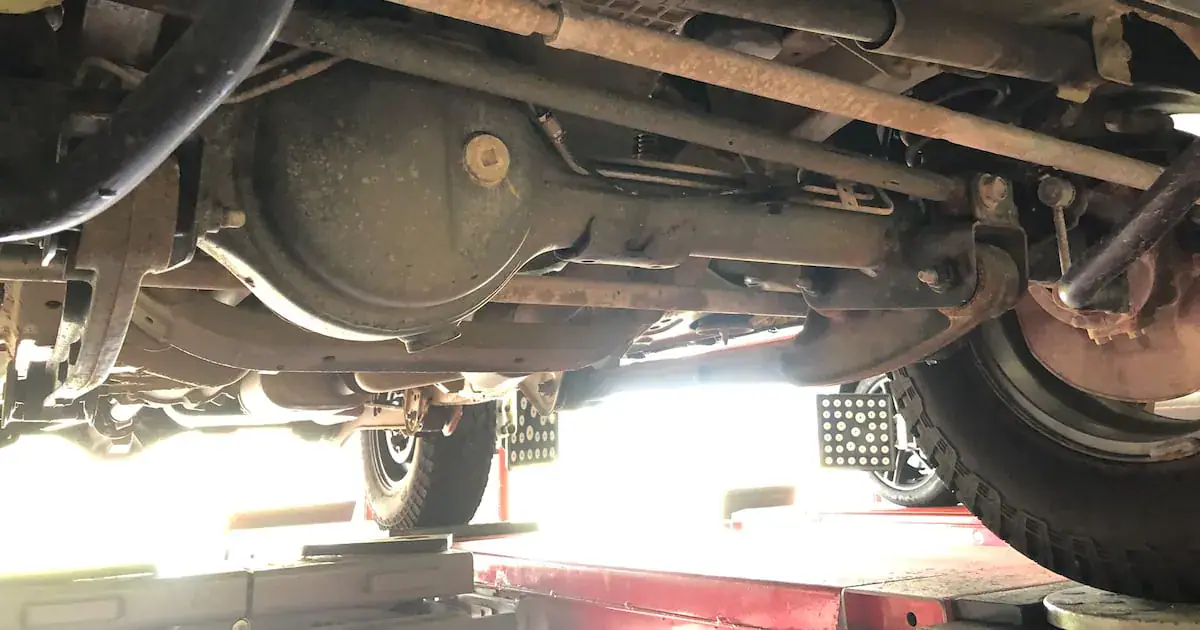
The National Treasury of South Africa is exploring the introduction of a centralized government fleet-management system and asset register to improve the transition between suppliers in its RT46 state fleet repair and maintenance tender process. This move aims to create a more sustainable approach to managing government fleet data, enhancing continuity across contracts, and reducing risks associated with future service-provider transitions. The Treasury is consulting relevant stakeholders on the feasibility of this system.
The RT46 tender process is divided into five categories, with Category A, for maintenance, awarded to Afrirent in June after Wesbank's contract ended. However, concerns have been raised by mechanics and warehouses about a backlog of approximately 20,000 vehicles needing maintenance and repair. They claim that historically disadvantaged individuals (HDI) have not been receiving sufficient vehicles to work on. The Treasury, along with the Department of Transport and other state organs, is engaged with Afrirent and affected merchants to address these complaints and implementation challenges.
Key issues being addressed include the timely payment of merchants by Afrirent and the settlement of Afrirent's valid and undisputed invoices by organs of state within the prescribed payment period. The Treasury reports that improvements have been recorded in the operation and implementation of the contract, with Afrirent stating that 63.9% of payments to date have been made to HDI merchants. Ongoing engagements aim to resolve outstanding matters and implement corrective measures where required.
Under the RT46-2026 contract, work allocation is intended to be done through an electronic system that considers the vehicle's location, the nature of the work required, the technical capability of available merchants, and the prescribed geographical radius. This system aims to ensure fair, transparent, and auditable work allocation. However, merchants' participation does not guarantee a specific volume of work, as allocations depend on demand and applicable contractual criteria.
Afrirent has onboarded over 7,960 merchants, with more than half being HDI, and invited a further 3,634 merchants to participate. The company's verified fleet database started with approximately 56,000 records in July and rapidly increased to over 126,000 vehicles by August. Afrirent reported that more than 45% of the total spend paid out in July went directly to HDI merchants, demonstrating its commitment to transformation.
Despite some positive developments, not all stakeholders are satisfied with the contract's management. James Ngubeni, chair of the Motor Industry Federation of Associations, expressed dissatisfaction with the management of the contract under both Wesbank and Afrirent. In contrast, Sisa Mbangxa, founder and president of the African Panel Beaters and Motor Mechanics Association, praised Afrirent's efforts, acknowledging some initial challenges but noting improvements over time.
The Department of Transport noted challenges in the transfer of the contract from one company to another, which contributed to initial difficulties. The Treasury has received a limited number of complaints related to allegations of unfair treatment, which have been referred to Afrirent for investigation and resolution. The parties will continue to monitor outstanding matters and implement corrective measures as needed to ensure the smooth operation of the RT46 contract.
Key points
- The National Treasury is considering an asset register to streamline transitions between suppliers in the RT46 state fleet repair and maintenance tender process.
- Afrirent has onboarded over 7,960 merchants, with more than half being historically disadvantaged individuals.
- The Treasury reports improvements in the operation and implementation of the contract, with 63.9% of payments made to HDI merchants.
Reporting sources
- # 5 Treasury seeks to oil the wheels of fleet maintenance contract · The Rand Daily Mail