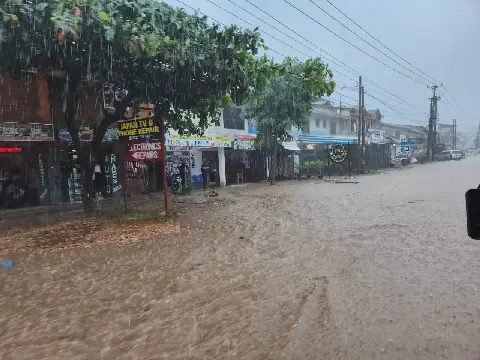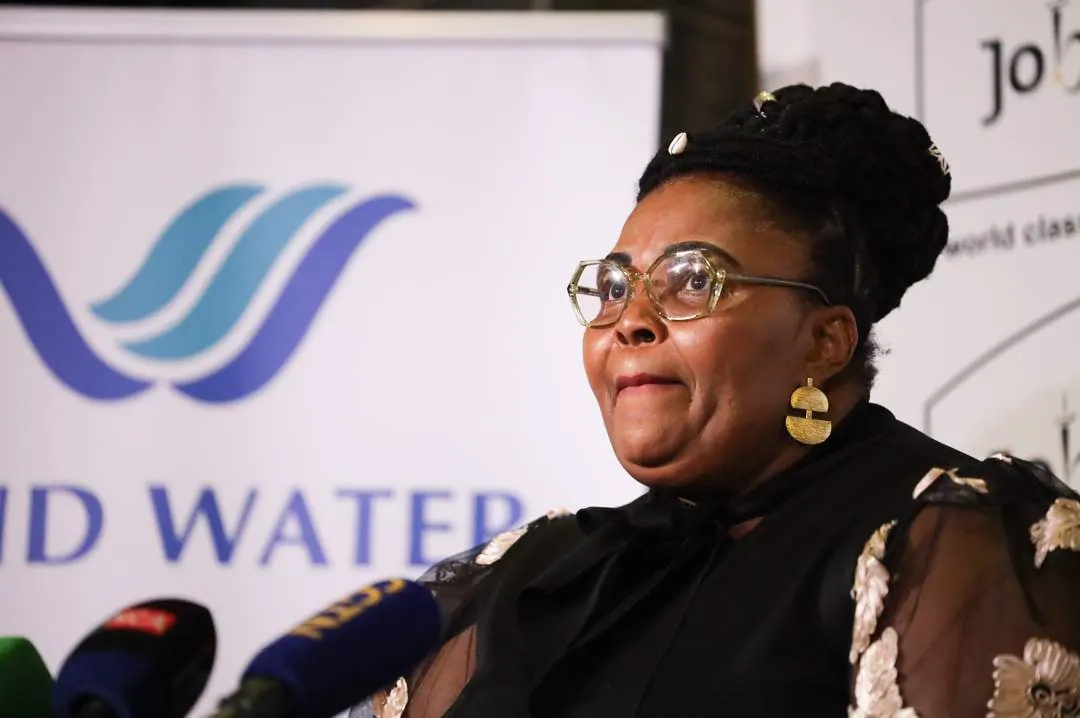
South Africa's municipalities are facing a significant water crisis, with a staggering R400 billion needed to address the issue. According to Minister of Water and Sanitation, Pemmy Majodina, the country is in dire need of funds to upgrade and maintain its water infrastructure. The crisis has been escalating over the years, with many municipalities struggling to provide clean water to their residents. The situation has become a pressing concern, with the minister highlighting the urgent need for intervention.
The water crisis in South Africa's municipalities has been attributed to a combination of factors, including aging infrastructure, lack of maintenance, and inadequate funding. Many municipalities have been struggling to manage their water systems, leading to frequent water shortages and disruptions. The situation has been exacerbated by the country's growing population, which has put additional pressure on the already strained water resources. As a result, many residents have been forced to rely on alternative sources of water, such as boreholes and water tankers.
The R400 billion needed to address the water crisis will be used to upgrade and maintain the country's water infrastructure, including pipelines, water treatment plants, and sewage systems. The funds will also be used to implement new technologies and innovations that can help to conserve water and reduce waste. Minister Majodina has emphasized the importance of finding sustainable solutions to the water crisis, including promoting water conservation and reducing the country's reliance on scarce water resources.
The water crisis in South Africa's municipalities has significant implications for the country's economic and social development. The lack of access to clean water has a negative impact on public health, education, and economic productivity. It also affects the country's ability to attract investment and create jobs. The government has been working to address the crisis, including the development of the National Water Action Plan, which aims to ensure that all South Africans have access to clean water and sanitation.
The National Water Action Plan is a comprehensive strategy that aims to address the country's water challenges. The plan includes a range of interventions, including the upgrade of water infrastructure, the promotion of water conservation, and the protection of water resources. The plan also aims to improve the management of water resources, including the implementation of more efficient water management systems. Minister Majodina has emphasized the importance of implementing the plan, saying that it is crucial for the country's future development.
The water crisis in South Africa's municipalities has also highlighted the need for greater collaboration between the government, municipalities, and other stakeholders. The government has been working with municipalities and other stakeholders to identify solutions to the crisis, including the development of new funding models and the implementation of innovative technologies. The minister has emphasized the importance of working together to address the crisis, saying that it requires a coordinated effort from all stakeholders.
The R400 billion needed to address the water crisis will have to be funded through a combination of government funding, private sector investment, and international aid. The government has been exploring various funding options, including the use of public-private partnerships and the issuance of bonds. Minister Majodina has emphasized the importance of finding sustainable funding solutions, saying that the country's water crisis requires a long-term commitment to funding and investment.
Key points
- The South African government requires R400 billion to address the country's water crisis.