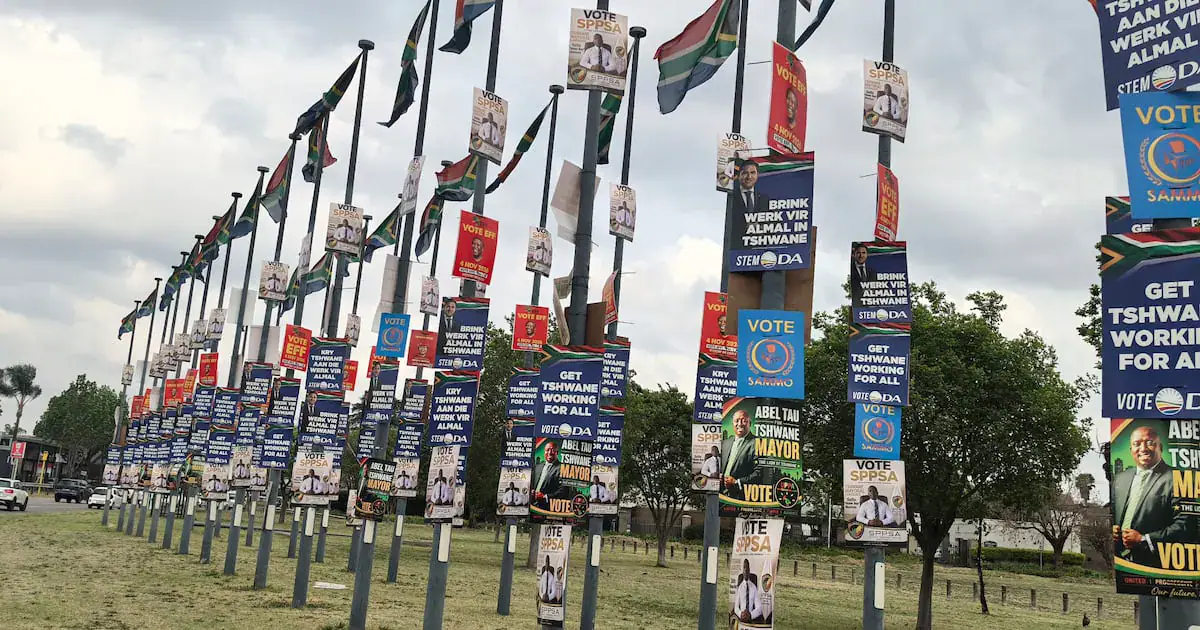
As South Africa's next local government elections draw near, a crucial question emerges: will the frustration expressed on social media translate into real votes for change? Citizens are voicing their displeasure with service delivery, unemployment, infrastructure issues, and municipal performance through online platforms. However, the ballot paper will ultimately determine whether this dissatisfaction results in electoral change.
Social media has become a powerful medium for democratic expression, enabling people to challenge political figures, highlight service delivery issues, and demand accountability. In a matter of minutes, a local can tell thousands of people about problems such as poor waste collection, unstable energy, failing roads, and water shortages. Topics that were previously limited to local communities can now be discussed at the national level.
However, a comment is not a vote, and public frustration is not automatically an electoral decision. The problem is figuring out what occurs when people go from their phones to the voting stations. On election day, would those who attack political parties online make different decisions, or will they be influenced by local candidates, past affiliations, established political affiliations, and opinions about the alternatives?
These questions highlight how complicated democracy is outside of the digital world. But the power belongs to the people. In a constitutional democracy, political parties compete for public support, develop manifestos, and present candidates, but citizens determine the outcome through their votes. Political parties may influence public opinion, shape political debates, and mobilise supporters; they do not independently determine who receives the democratic mandate.
Local government is not merely about political representation; it concerns access to basic services, responsible financial management, functioning infrastructure, community participation, and the effective use of public resources. As a result, voters should be encouraged to consider factors other than political slogans and campaign promises in the upcoming elections. Citizens have an opportunity to examine their municipalities' performances, consider whether elected representatives responded to community needs, and evaluate what different parties propose to improve local governance.
By facilitating access to information and promoting public discourse, social media can assist in this process. However, it is essential to distinguish between verifiable public opinion and internet popularity. People who often comment online may not necessarily represent the views of the entire electorate. Some residents remain silent on internet forums but actively participate in elections, while others express strong political views without necessarily registering or voting.
Ultimately, next week's local government elections will provide an opportunity to explore the relationship between popular dissatisfaction, political accountability, and electoral engagement. The decisions of all eligible voters will determine the outcome. The future of South Africa's democracy rests on its citizens going beyond voicing discontent to engaging in informed participation.
Key points
- The relationship between social media frustration and real votes for change will be tested in South Africa's local government elections.
- Citizens have an opportunity to examine their municipalities' performances and evaluate what different parties propose to improve local governance.
- The ballot paper will ultimately determine whether dissatisfaction results in electoral change.