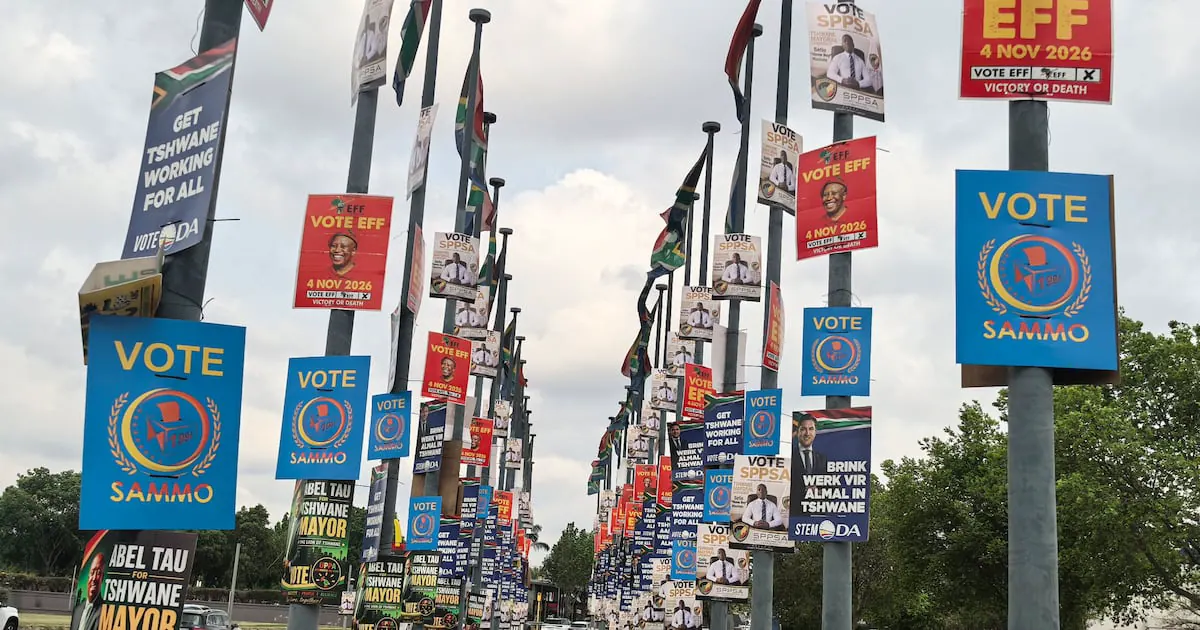
South Africa's local government crisis has been a recurring theme in the country's politics, with many municipalities struggling to provide basic services to their residents. Despite the efforts of the government to address these issues, the problem persists, with many councils failing to collect bills, maintain infrastructure, and provide skilled personnel. According to Auditor-General Tsakani Maluleke, only 39 municipalities achieved clean audits in the 2024/25 financial year, while 38 municipalities have gone backwards since 2020/21.
The crisis is not just a matter of politics, but also a management problem. Many municipalities are organisations with no one clearly in charge, making it difficult to make decisions and take action. The lack of clear accountability and authority is a major issue, with many councils having acting municipal managers, acting CFOs, and acting heads of engineering. This has resulted in a situation where decision-making is paralyzed, and operations are hindered.
The issue of coalitions has also been a major challenge for local government in South Africa. Since 2021, hung councils have become normal, with 66 recorded cases, including 21 in KwaZulu-Natal. The Electoral Institute for Sustainable Democracy in Africa has warned that this trend is likely to continue, with analyst Susan Booysen expecting the number of local coalitions to rise again after the elections.
The financial situation of many municipalities is also a major concern. Consumer debt has reached R427.7 billion, with most of it being older than 90 days and unlikely to be recovered. Municipalities have budgeted as if they would collect 94.8% of billed revenue, but they collected only 72.9%. The National Treasury's own figures show that the situation has not improved, with the debt stock climbing to R467 billion by the end of 2025.
The mismanagement of funds is also a major issue, with municipalities racking up R145.21 billion in irregular expenditure since 2021/22, including R40.14 billion in 2024/25. The Auditor-General's office has found that 85% of municipalities failed to comply with procurement rules, resulting in a situation where creditors, including Eskom and water boards, are left waiting for payment.
The crisis in local government has been attributed to a number of factors, including corruption and cadre deployment. However, the root cause of the problem is the lack of a clear operating agreement and the blurred lines between politics and operations. The test after election day should not be who formed government, but who has the authority to hire, fire, approve, and be removed when the pipes stay dry.
To address the crisis, municipalities need to focus on four key areas: billing, collecting, maintaining assets, and keeping skilled people. The state needs to redesign the local government machine to ensure that it is efficient and effective. Voters did not vote for chaos, but for a functional and accountable local government system. The key to resolving the crisis lies in ensuring that municipalities have a clear operating agreement, a competent management team, and a culture of accountability.
Key points
- The crisis in South Africa's local government is a deeper problem beyond politics, requiring a focus on management and accountability.
- The lack of clear accountability and authority in municipalities is a major issue, hindering decision-making and operations.
- The financial situation of many municipalities is a major concern, with consumer debt reaching R427.7 billion and irregular expenditure totaling R145.21 billion.