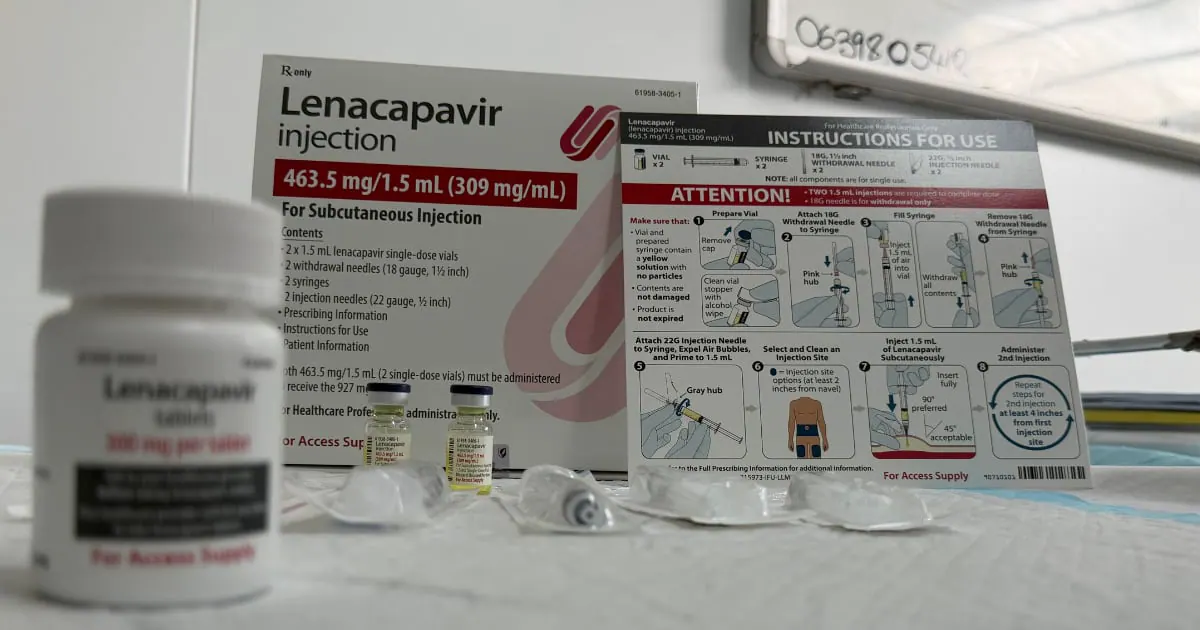
South Africa has begun rolling out Lenacapavir, or LEN, a twice-yearly injection that protects against HIV infection with almost 100% effectiveness. The injection was made available at 360 government clinics in June, with plans for wider rollout next year when generics become available. According to analysis by Wits University's Health Economics and Epidemiology Office, if 1-2 million people take LEN annually between now and 2043, South Africa can prevent enough new HIV infections to end Aids as a public health threat within 17 years.
Despite its effectiveness, uptake of LEN has been slow, with only 71,000 people having taken the injection by October 5. This mirrors the experience of daily HIV prevention pills, which were rolled out widely in 2020 but had only reached 2.3 million people by June. According to the Thembisa model, around 40 million HIV-negative people aged 15 and older in South Africa could benefit from the pill or LEN, depending on their risk of getting HIV.
One major reason for the slow uptake is lack of awareness, with a 2022 national survey finding that only a third of sexually active South Africans over 15 had ever heard of HIV prevention pills. This lack of awareness is also likely to affect LEN, highlighting the need for deliberate efforts to create demand for the injection. Research on HIV prevention pills offers some lessons for the LEN rollout, including the importance of targeted awareness campaigns and making information accessible.
A study funded by the Gates Foundation found that 46% of young people interviewed had first heard about HIV prevention medication through deliberate efforts, such as one-on-one conversations with peer navigators or healthcare providers. Another 35% had heard about it through friends, family, or social circles. The study also found that people were more likely to start using HIV prevention medication when they heard about it from someone they could relate to.
The study highlighted the importance of using messengers who understand the communities they are speaking to, and who can build trust and answer practical questions. It also found that people who became interested in HIV prevention medication were more likely to act on that interest quickly when they could access it easily. This highlights the need for outreach efforts to be linked to clinics that are ready to provide the injection.
The study also found that mass media alone was not an effective way to persuade people to use HIV prevention medication, with only 5% of young people saying they had first heard about it through high-profile media such as television or radio. Instead, campaigns should target places where potential users already spend time, such as clinics, pharmacies, and community spaces.
Finally, the study emphasized the need to budget for demand creation, with activities aimed at creating demand accounting for 14-40% of the total cost per HIV prevention visit. By taking these lessons into account, South Africa can increase awareness and uptake of LEN, and make progress towards ending Aids as a public health threat.
Key points
- Deliberate efforts are needed to create demand for LEN, including targeted awareness campaigns and making information accessible.
- The messenger and channels used to promote LEN are crucial in persuading people to use the injection.
- Budgeting for demand creation is essential to support the rollout of LEN.