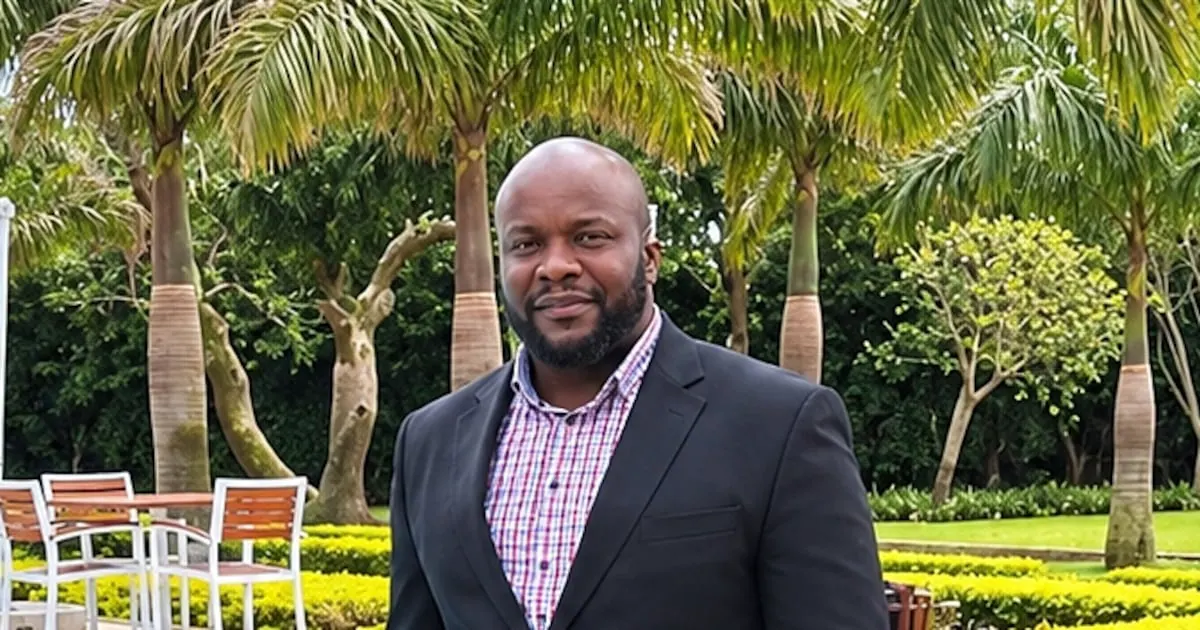
A senior dealmaker at South Africa's Industrial Development Corporation (IDC), Paul Nyathi, is appealing his dismissal over a R1.5bn loss on a steel mill deal. The IDC found itself facing significant losses after SA Steel Mills, the recipient of a R514m loan facility, entered business rescue. Nyathi, who led the team behind the SA Steel Mills transaction, contends that the IDC prematurely dismissed him before his appeal was heard.
The deal, approved in 2017, was intended to expand manufacturing operations in Meyerton, south of Johannesburg. However, documents related to the inquiry suggest that the investment was plagued by critical contract breaches shortly after signing. These breaches included unregistered property bonds, funds on-lent to non-contracted entities, and unapproved drawdowns totalling hundreds of millions of rands. The IDC's internal inquiry found Nyathi guilty of failing to disclose critical changes to the transaction and shortcomings to the post-investment committee.
Nyathi's legal representative, Tokelo Moloi, stated that his client had raised 12 points challenging the disciplinary outcome. The appeal has not yet been heard, and Nyathi seeks a correct interpretation of the agreements and a proper application of the IDC's own disciplinary policy. The R514m loan facility was broken down into three separate agreements: R308m for plant and equipment, R108m as a construction loan, and R48m as a working-capital loan.
The inquiry's chair, Andrew Redding SC, found that Nyathi failed to inform the post-investment committee of a breach of the construction loan agreement (CLA). The borrower, SA Steel Mills, did not acquire project land, which was instead purchased and registered by the holding company, SA Steel Rolling Mills (Sasrom). Nyathi filed a credit appraisal memorandum (CAM) in March 2018 to approve changes to the loan agreements, but Redding found that this memo failed to inform the post-investment committee of the breach.
The changes approved through the CAM included allowing SA Steel Mills to on-lend the R108m building facility to Sasrom and replacing the primary mortgage bond with a surety mortgage bond issued by Sasrom. The inquiry also found that Nyathi cleared drawdowns for plant and equipment using forward-exchange cover (FEC) contracts from the Habib Overseas Bank that lacked borrower signatures. Nyathi testified that foreign-exchange management was an ongoing undertaking, but Redding found that valid FEC documentation was a mandatory requirement for disbursement.
Nyathi's alleged nondisclosures concealed a departure from the deal structure originally approved by the corporation. The change in the original land sale agreement meant that the project's physical assets were held by a different entity from the one carrying the debt at the start of the transaction. Nyathi argued that key deal changes and security structures were fully disclosed to, and approved by, the post-investment committee.
The IDC has refused to comment on reports that it had written off the debt and lifted Nyathi's suspension, as well as that of head of legal Russell Wallace. The corporation expressed "grave concern" over "the persistent unauthorised leak of confidential information to the media". Nyathi's appeal is ongoing, and it remains to be seen how the R1.5bn loss will be recovered.
Key points
- The IDC faces a R1.5bn loss on the SA Steel Mills deal due to critical contract breaches and alleged nondisclosures by Paul Nyathi.
- Nyathi is appealing his dismissal, citing premature dismissal and misapplication of the IDC's disciplinary policy.
- The deal was approved in 2017, but problems emerged shortly after signing, including unregistered property bonds and unapproved drawdowns.