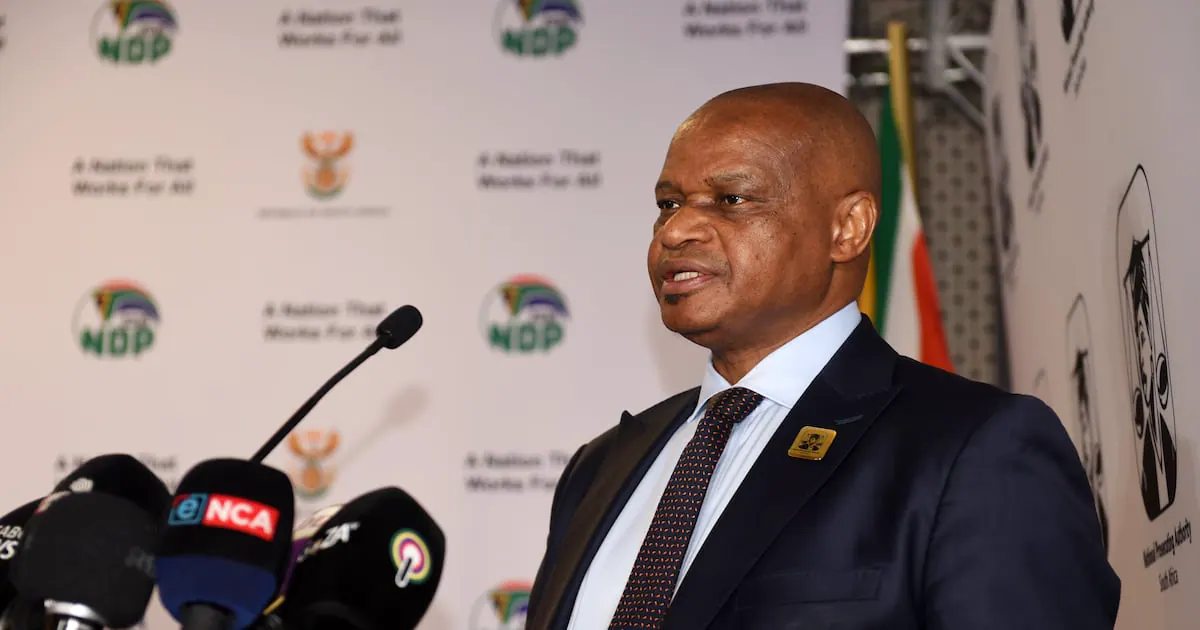
National director of public prosecutions Andy Mothibi and acting head of the investigating directorate against corruption (Idac), Ntuthuzelo Vanara, have outlined the directorate's reset and its role in tackling corruption. The announcement comes amid public scrutiny of Idac's case decisions and institutional integrity. Mothibi and Vanara briefed parliament's portfolio committee on justice and constitutional development on the National Prosecuting Authority's (NPA) performance and Idac's reset.
Mothibi emphasized that the NPA remains convinced of Idac's importance, describing the reset as a repositioning or reorganization to help the directorate maintain public trust. The reset is not a shutdown, but rather a thorough review of the directorate's operations. This review will cover leadership stability, operating procedures, systems, staff training, vetting, and the work environment.
The reset is expected to take six months, with Mothibi confirming that the project is on track for completion within this timeframe. As part of the review, 40 cases are being audited to ensure they can withstand scrutiny in court. The audit process will examine each case from the initial referral and investigation authorization through to evidence-gathering and prosecutorial decisions.
Vanara highlighted that the audit process aims to determine whether cases have sufficient evidence to secure convictions. The panel in charge of the reset will assess the strength of each case, focusing on the quality of investigations and prosecutorial decisions. This process is crucial in restoring public trust in Idac and ensuring that corruption cases are handled effectively.
To enhance integrity and transparency, Idac will introduce lifestyle audits for its staff, starting with senior management. These audits will examine income, assets, financial records, and declarations to determine whether an individual's lifestyle is consistent with their official earnings. Mothibi described the audits as a meticulous process aimed at promoting accountability.
Idac faces a significant challenge in terms of workload, which has led to a shortage of specialist staff. Vanara noted that while the directorate has a range of skilled investigators and analysts, it needs to recruit more to effectively handle its caseload. The addition of more resources will enable Idac to tackle corruption more effectively and efficiently.
The reset and reforms underway at Idac aim to enhance the directorate's effectiveness in tackling corruption and restoring public trust. With the introduction of lifestyle audits and the recruitment of more specialist staff, Idac is poised to make a significant impact in the fight against corruption in South Africa. The success of these reforms will depend on effective implementation and ongoing evaluation.
Key points
- Idac's reset aims to restore public trust and tackle corruption through a thorough review of its operations and the introduction of lifestyle audits.
- The directorate is auditing 40 cases to ensure they can withstand scrutiny in court and is recruiting more specialist staff to handle its caseload.
- The reset is expected to take six months, during which time Idac will focus on leadership stability, operating procedures, systems, staff training, vetting, and the work environment.