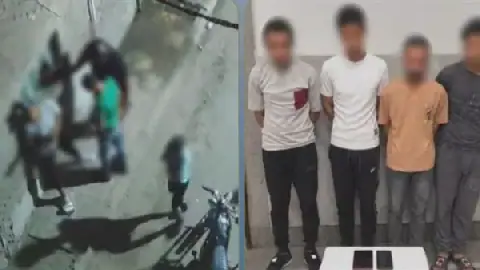
The South African Department of Home Affairs has withdrawn a directive that allowed refugee offices to accept asylum applications from individuals regardless of their immigration status. This move comes after a week of escalating tensions, including violent protests in Durban and Soweto, where 24 vehicles were torched and shops were looted. The directive, issued on 28 September, was intended to implement a July Constitutional Court ruling.
The Constitutional Court judgment, handed down on 7 July, confirmed an earlier Western Cape High Court decision declaring provisions of the Refugees Act and its regulations unconstitutional. These provisions had allowed asylum seekers to be excluded from the application process on procedural grounds. The court's decision meant that people seeking protection could not be barred from applying for asylum solely because of procedural shortcomings.
The Home Affairs department stated that the withdrawn directive was a "purely operational attempt" to implement the Constitutional Court ruling. However, the department claimed that it had issued the directive without the knowledge of the Home Affairs minister or any other political office-bearer. The department rejected claims that the move was politically motivated, noting that it had opposed the original court case.
The implementation of the directive led to immediate and serious consequences, including refugee reception offices being overwhelmed within days, officials being placed at risk, and serious threats to public safety and order. The department said it would begin a fresh process to determine the most appropriate operational approach to comply with the court order, reaffirming its commitment to the judiciary and the rule of law.
The issue has become a focal point for public debate and protests by groups campaigning against illegal immigration. On Thursday, violence erupted in Durban and Soweto, with police and political leaders condemning the violence. Authorities urged people to raise concerns about immigration through lawful channels. The Inter-Ministerial Committee on Migration acknowledged operational difficulties and the need for better coordination across government.
The withdrawal of the directive does not overturn the Constitutional Court judgment, which confirmed that asylum seekers should not be barred from applying for asylum solely due to procedural shortcomings. Home Affairs will now determine a new operational approach to comply with the order. The department emphasized that each application must be assessed on its merits, and claims may be refused through the established legal process.
The Home Affairs department's decision aims to address concerns around public safety and order while upholding the country's commitment to the judiciary and the rule of law. The new approach will seek to balance the rights of asylum seekers with the need to manage the country's immigration processes effectively.
Key points
- The directive was withdrawn due to serious consequences, including overwhelmed refugee reception offices and threats to public safety.
- The Constitutional Court judgment confirmed that asylum seekers should not be barred from applying for asylum solely due to procedural shortcomings.
- The withdrawal of the directive does not overturn the Constitutional Court judgment.