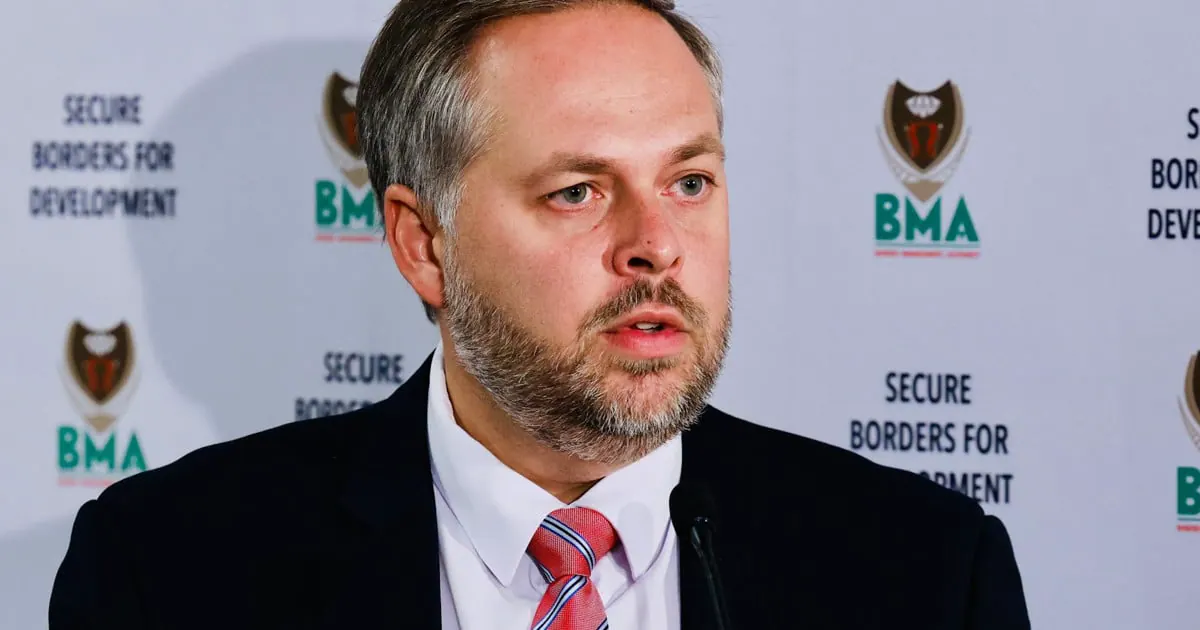
South Africa's Home Affairs Minister Leon Schreiber has announced a proposed asylum seeker registration model that leverages technology and digital systems already in use by the department. The new model aims to streamline the registration process for asylum seekers and improve the verification of applicant information. According to Schreiber, the proposed platform will incorporate biometric capture and verification, allowing for the authentication of documentation and the identification of previous applications or infringements on an applicant's record.
The proposed asylum seeker platform is an extension of the department's existing digital systems, including the electronic travel authorisation system. Schreiber noted that South Africans can take confidence from the progress made through this system, which has shown how technology can improve immigration processes. The minister expressed confidence that the new model will strengthen the registration process and help to address the challenges currently faced by the department in managing asylum seeker applications.
The electronic travel authorisation system has been a significant success, demonstrating the potential for technology to enhance immigration processes. Schreiber highlighted that the proposed asylum seeker registration model will build on this success, using similar technological capabilities to improve the efficiency and accuracy of the registration process. The new model is expected to be implemented quickly, with Schreiber stating that the department will move swiftly to bring the solutions to bear in the asylum and refugee space.
The proposed asylum seeker registration model has been informed by a judgement and issues identified by the department. Schreiber did not provide further details on the judgement or the specific issues identified, but noted that the new model will address these challenges and help to improve the management of asylum seeker applications. The minister emphasized that the department is committed to using technology to improve its processes and provide better services to applicants.
The implementation of the proposed asylum seeker registration model comes at a time of significant challenges for the department in managing asylum seeker applications. In recent days, anti-illegal immigration protests have taken place in various parts of the country, including Durban and Johannesburg. The protests have highlighted the need for effective solutions to manage immigration and ensure public safety.
The proposed asylum seeker registration model is part of a broader effort by the department to improve its processes and services. Schreiber noted that the department is committed to using technology to enhance its operations and provide better services to applicants. The new model is expected to be a key component of this effort, helping to streamline the registration process and improve the verification of applicant information.
The department's efforts to improve its processes and services have been recognized by various stakeholders. The use of technology to enhance immigration processes has been seen as a positive step, with many stakeholders welcoming the move towards more efficient and effective management of asylum seeker applications. The proposed asylum seeker registration model is expected to build on this momentum, providing a more streamlined and effective registration process for asylum seekers.
Key points
- The proposed asylum seeker registration model will incorporate biometric capture and verification to improve the accuracy of applicant information.
- The new model builds on the success of the electronic travel authorisation system, which has shown how technology can improve immigration processes.
- The proposed asylum seeker registration model is expected to be implemented quickly, with the department committed to using technology to improve its processes and services.