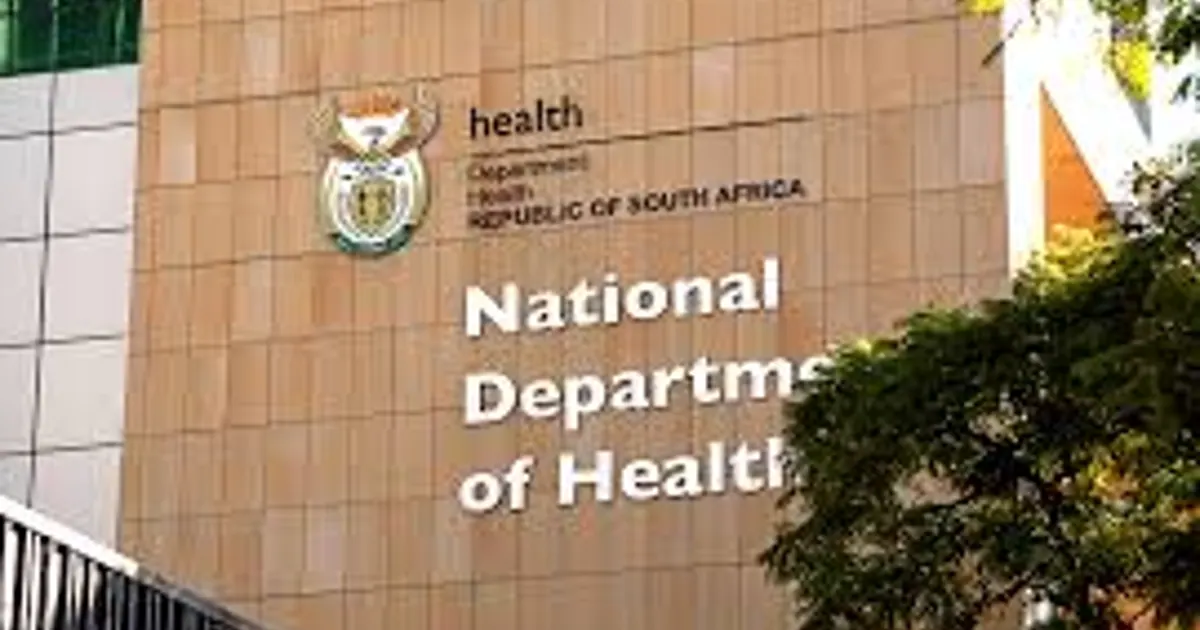
The South African Department of Health has welcomed a significant policy shift by Jehovah's Witnesses, who have for decades prohibited their members from receiving blood transfusions on religious grounds. This change is expected to alleviate the burden on healthcare workers who previously faced patients refusing blood transfusions due to their religious beliefs. The development has been hailed as historic by Health Minister Aaron Motsoaledi.
For decades, doctors in emergency and critical care situations had to navigate the prohibition, even when a transfusion could potentially save a patient's life. Blood transfusions replace blood or specific components lost through severe bleeding, while supporting oxygen delivery and blood clotting. The policy shift is anticipated to positively impact the treatment of critically ill patients and children.
Health Minister Aaron Motsoaledi described the development as a "giant leap". He noted that while Jehovah's Witnesses still prohibit the transfusion of whole blood, this does not pose a significant challenge because whole blood is rarely used for routine transfusions. Modern medical practice has made this a non-major concern for the healthcare system.
The change in policy also removes pressure from healthcare workers who previously had to approach the courts to intervene when children were at risk. This development has been hailed as a significant step forward in the relationship between religious beliefs and medical treatment. It is expected to reduce a longstanding conflict faced by healthcare professionals.
The Department of Health has acknowledged the challenges posed by Jehovah's Witnesses' previous stance on blood transfusions. The department's welcome of the policy shift reflects its commitment to ensuring that patients receive the best possible medical care. The move is also seen as a positive development for the healthcare system as a whole.
According to Nkosikhona Malinga-Mnisi, the policy shift is a significant development in the relationship between religious beliefs and medical treatment. The change is expected to have a positive impact on the treatment of patients and ease the burden on healthcare workers.
The Department of Health's welcome of Jehovah's Witnesses' policy shift reflects its commitment to ensuring that patients receive the best possible medical care. The move is also seen as a positive development for the healthcare system as a whole. The department will continue to monitor the impact of this policy shift on patient care.
Key points
- The policy shift by Jehovah's Witnesses is expected to ease challenges faced by healthcare workers who previously encountered patients refusing blood transfusions due to their religious beliefs.
- Health Minister Aaron Motsoaledi has described the development as a "giant leap" and noted that the prohibition on whole blood transfusions does not pose a significant challenge.
- The change in policy removes pressure from healthcare workers who previously had to approach the courts to intervene when children were at risk.