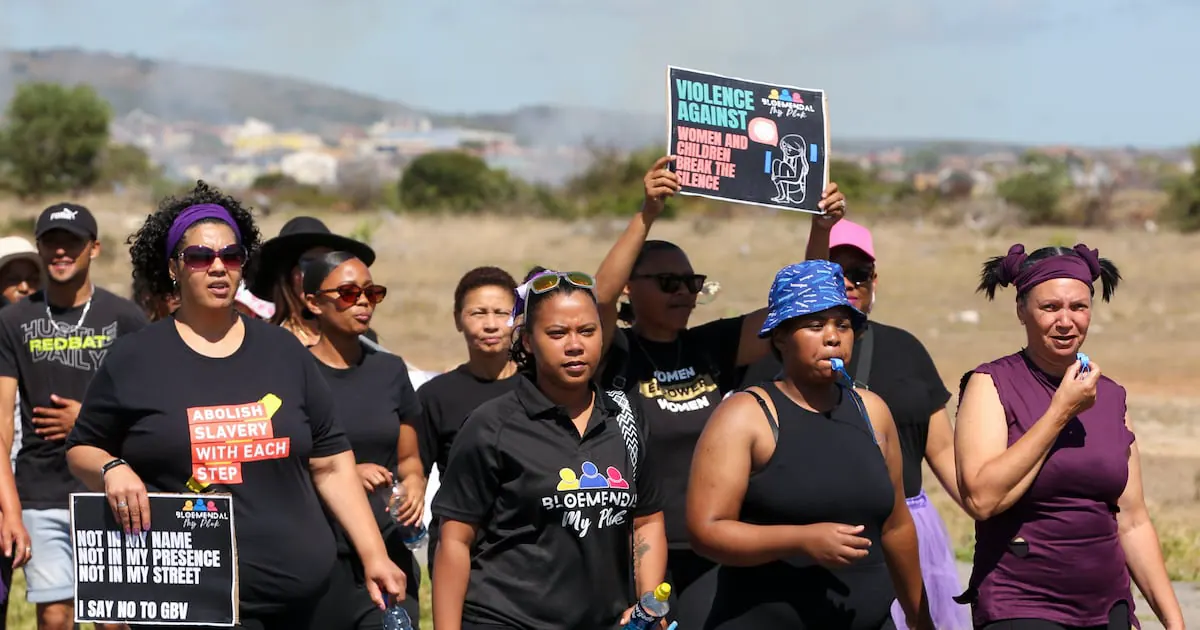
In November 2025, South Africa classified gender-based violence and femicide (GBVF) as a national disaster under section 23 of the Disaster Management Act. This classification placed primary responsibility for coordination and management on the national executive and required progress reporting to the National Disaster Management Centre. However, the classification did not activate emergency powers or declare a national state of disaster under section 27.
The classification of GBVF as a national disaster should produce a defined operational trigger for comparing cases, mobilizing specialist resources, and coordinating policing, forensics, and municipal safety measures. However, the public record does not disclose a transparent femicide-specific threshold that makes recognition of a possible series of GBVF cases inevitable. Without such a threshold, escalation depends on somebody noticing, somebody persuading others that the pattern matters, and, too often, a case becoming prominent enough to command national attention.
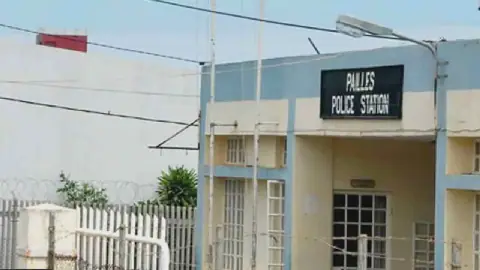
The recent discovery of 11 women's bodies in Ekurhuleni between July and September highlights the need for a clear protocol. The police have not established that a single or serial offender is responsible, and similarity is not proof. Public fear must not be allowed to contaminate an investigation. The police have reported an arrest in connection with the first July case and have deployed additional detectives, intelligence officers, forensic specialists, and tracking teams.
A high-level political delegation followed, together with a R400,000 reward. After the ninth body discovery, the interministerial committee on GBVF approved a comprehensive emergency strategy and elevated coordination of the specialized investigation to the deputy national commissioner for detective services. This is now a substantial response, but it is a substantial response to a cluster of deaths that had already become publicly visible.
The question is not whether individual police officers were doing their jobs or whether the eventual response was serious. The harder question is what rule required separate dockets, police stations, pathology findings, missing person reports, and geographic information to be brought into a single operational picture — and when that rule was activated. South Africa is not without specialist capacity, with SAPS having an investigative psychology section and a standardized policy for the investigation and management of serial rape and serial murder.
The missing layer is not expertise after a possible series has been recognized, but a transparent trigger requiring potential patterns of gendered killing and disappearance to be tested early. That is why South Africa needs a national femicide escalation protocol. It should not be another committee or strategy document but an operational rule with predetermined indicators developed by policing, forensic, pathology, crime intelligence, and disaster management experts.
The protocol must also reach beyond policing, with the SAPS national commissioner owning the criminal investigation trigger through existing detective, intelligence, and forensic structures. Municipalities should have defined duties concerning lighting, overgrown or vacant spaces, transport nodes, surveillance, and emergency access. A national disaster can be managed through existing law without a national state of disaster, but it cannot be managed as an adjective.
Key points
- A clear operational trigger is needed for comparing GBVF cases and mobilizing resources.
- A national femicide escalation protocol is necessary to ensure a structured review of potential patterns of gendered killing and disappearance.
- The classification of GBVF as a national disaster must change the architecture of South Africa's response, making recognition earlier, coordination less dependent on discretion, and accountability more difficult to evade.