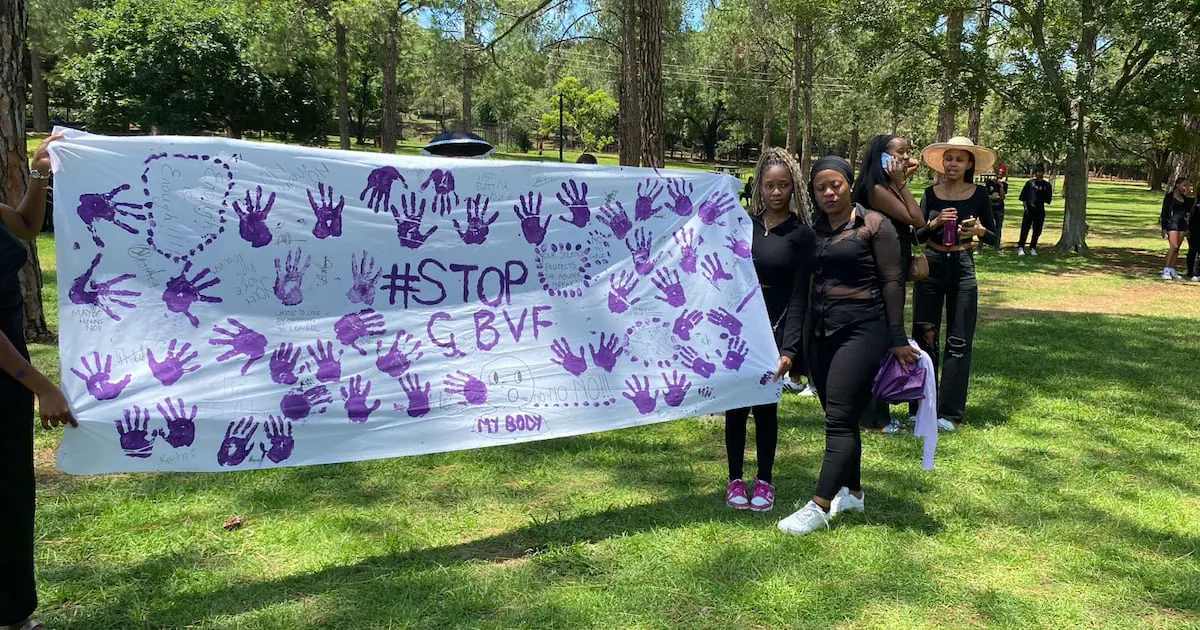
South Africa's approach to addressing gender-based violence and femicide (GBVF) has been criticized for being reactive rather than proactive. Despite being declared a national disaster in November 2025, the state's response remains most forceful only after women have been harmed. The familiar cycle of outrage, condolences, police deployments, and task teams follows each new incident, but this approach exposes the central weakness in the response.
The National Council on Gender-Based Violence and Femicide, appointed in August 2026, has a statutory basis to coordinate the national strategic plan. However, Sonke Gender Justice identified serious weaknesses in the National Council Act, including a voting advantage for state representatives and limited power to compel information or enforce accountability. The act also fails to bind departments firmly enough to align plans, budgets, and reporting with the national strategic plan.
The current response is centered on opening cases, securing protection orders, providing shelter, prosecuting accused people, and offering psychosocial support. While these services are indispensable, prevention lacks equal priority, funding, and urgency. One-off campaigns and short-term projects do not amount to a national system that identifies risk, intervenes early, and measures change. According to the South African Medical Research Council, intimate partners killed 60% of women murdered in 2020/21.
The South African government has laws, policies, institutions, and a national strategic plan in place, but what it lacks is a prevention and accountability system with funding, authority, reach, and consequences for non-performance. The first National Gender-Based Violence Study found 33.1% of women had experienced physical violence in their lifetime. A national system that identifies risk, intervenes early, and measures change is needed to address GBVF.
Men must be central to prevention efforts, as South Africa cannot substantially reduce violence against women without confronting men's attitudes, behavior, and choices. Harm often begins with warning signs such as checking a partner's phone, isolating her, controlling money, stalking, threats, and sexual coercion. Early intervention must be lawful and respect due process while taking threats, stalking, coercive control, escalating violence, and access to firearms seriously.
The government must establish a funded national prevention and perpetrator intervention programme led by the national council, with assigned responsibilities, provincial and municipal delivery, ring-fenced funding, and quarterly public reporting. This programme should combine sustained gender-transformative work with boys and men, shared risk-assessment and referral protocols, and evidence-based behavior change programmes for men who have used violence.
Civil society has built substantial expertise, but fragmented grants cannot sustain a national system. Prevention must be funded as core public infrastructure, alongside policing, health, and education. The test of the national disaster classification is whether it changes how the state acts before the next assault, disappearance, or call asking a family to identify a body.
Key points
- The South African government must prioritize prevention and establish a funded national prevention and perpetrator intervention programme.
- The current response to GBVF is reactive rather than proactive, focusing on aftermath rather than prevention.
- Men must be central to prevention efforts to substantially reduce violence against women.