South Africa's exclusion from a major US trade program has been years in the making, with repeated warnings from the US that were ultimately ignored. The African Growth and Opportunity Act (AGOA) allows eligible African countries to export certain goods to the US duty-free, but South Africa's benefits will be terminated from January 1, 2027. This move follows mounting US concerns about South Africa's trade and investment barriers, domestic economic policies, and foreign-policy alliances.
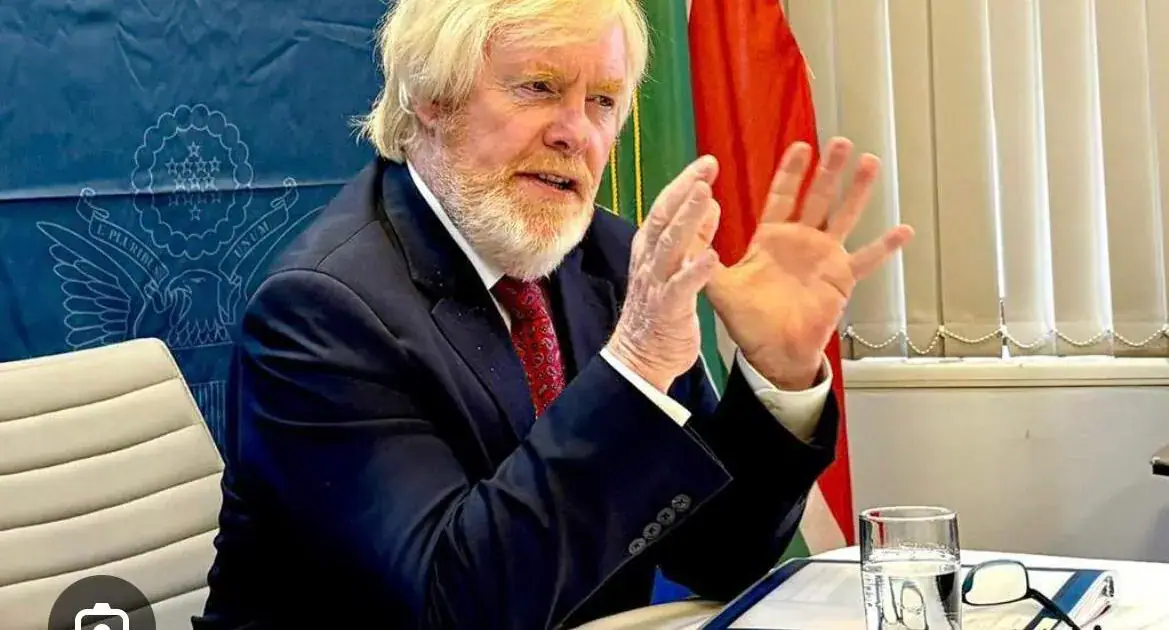
The US had five key demands for South Africa, including stronger action against farm murders, condemnation of the "Kill the Boer" chant, protection of property rights, reform of race-based empowerment policies affecting American investors, and a shift in South Africa's foreign-policy alignment. US Ambassador to South Africa Leo Brent Bozell III stated that the termination of AGOA benefits was a predictable and preventable outcome resulting from the rejection by South Africa's government of real concerns raised by the US government.
Analysts warn that the loss of preferential trade benefits may be only the beginning of the consequences for South Africa. Democratic Alliance founder Tony Leon stated that the White House is ramping up its negativity towards South Africa and has a lot of punitive options, including sanctions against individuals. Leon described the US demands as "not extraordinarily difficult to meet" but expressed concern about the diplomatic implications of South Africa's failure to meet them.
The economic impact of the AGOA exclusion is expected to be significant, particularly in agriculture and manufacturing. Political economy analyst Daniel Silke cautioned that many South African products would become less competitive in the US market, potentially leading to job losses in an economy already battling high unemployment. Silke noted that even modest losses of market share could have a substantial impact on the economy.
Analysts agree that a swing toward the Democratic Party in the US midterms would not, in the short term, bring major change to Washington's approach to South Africa. The executive director of the Middle East Africa Research Institute, Benji Shulman, said that South Africa's AGOA troubles began long before President Trump returned to the White House. Shulman noted that concerns about South Africa's foreign-policy positions intensified during the Russia-Ukraine war.
Critics of the ANC government have accused it of prioritizing ideological allegiances over economic interests. The South African Zionist Federation (SAZF) stated that the AGOA exclusion is a predictable result of a deliberate choice by the ANC to sacrifice economic interests for ideological reasons. SAZF national spokesperson Rolene Marks said that the ANC has run South Africa's foreign policy like a party branch meeting, and South Africans are paying the bill.
The South African government has defended its efforts to preserve the trade relationship with the US. Trade, Industry and Competition Minister Parks Tau maintained that Pretoria had offered concessions but accused Washington of introducing additional issues outside the scope of negotiations. Government figures indicate that AGOA exports accounted for approximately 10% of South African exports to the US in 2025, worth nearly $1.7 billion.
Key points
- South Africa's exclusion from AGOA may lead to significant economic losses, particularly in agriculture and manufacturing.
- The US had five key demands for South Africa, including stronger action against farm murders and reform of race-based empowerment policies.
- Analysts warn that the diplomatic implications of South Africa's failure to meet US demands are more alarming than the immediate economic fallout.