South Africa's economic growth has been sluggish since 2012, and experts attribute this to the high cost of electricity and liquid fuels. The country's economic trajectory can be directly linked to the prices of these essential resources. In 2007, electricity prices surged, and the country's economic growth began to slow down in 2008. This was also a time when regulatory changes took effect, creating a perfect storm that has hindered growth.
The world has become less dependent on energy in the industrial sector, but energy availability and affordability will determine which countries adopt the new economy driven by artificial intelligence (AI). AI and the digital economy rely heavily on electricity, not just its constant availability but also its affordability. South Africa has missed the cryptocurrency wave, and if energy prices remain high, the country risks missing the AI wave as well.
According to Theuns du Buisson, a prominent figure in the energy sector, the only viable solution for South Africa is to adopt nuclear power on a large scale. The two cheapest methods of generating power are hydroelectric and nuclear power, but due to the country's natural limitations, hydroelectric power is not a feasible option. Nuclear power can provide a reliable and affordable source of energy.
In the short term, South Africa will continue to rely on coal and renewable energy sources like solar power. Solar power can help bridge the energy gap while nuclear power plants are being built. However, wind turbines are not a reliable source of energy, even in the best locations worldwide. Eskom, the state-owned power utility, has become profitable again and can now pay off its debt and manage its finances.
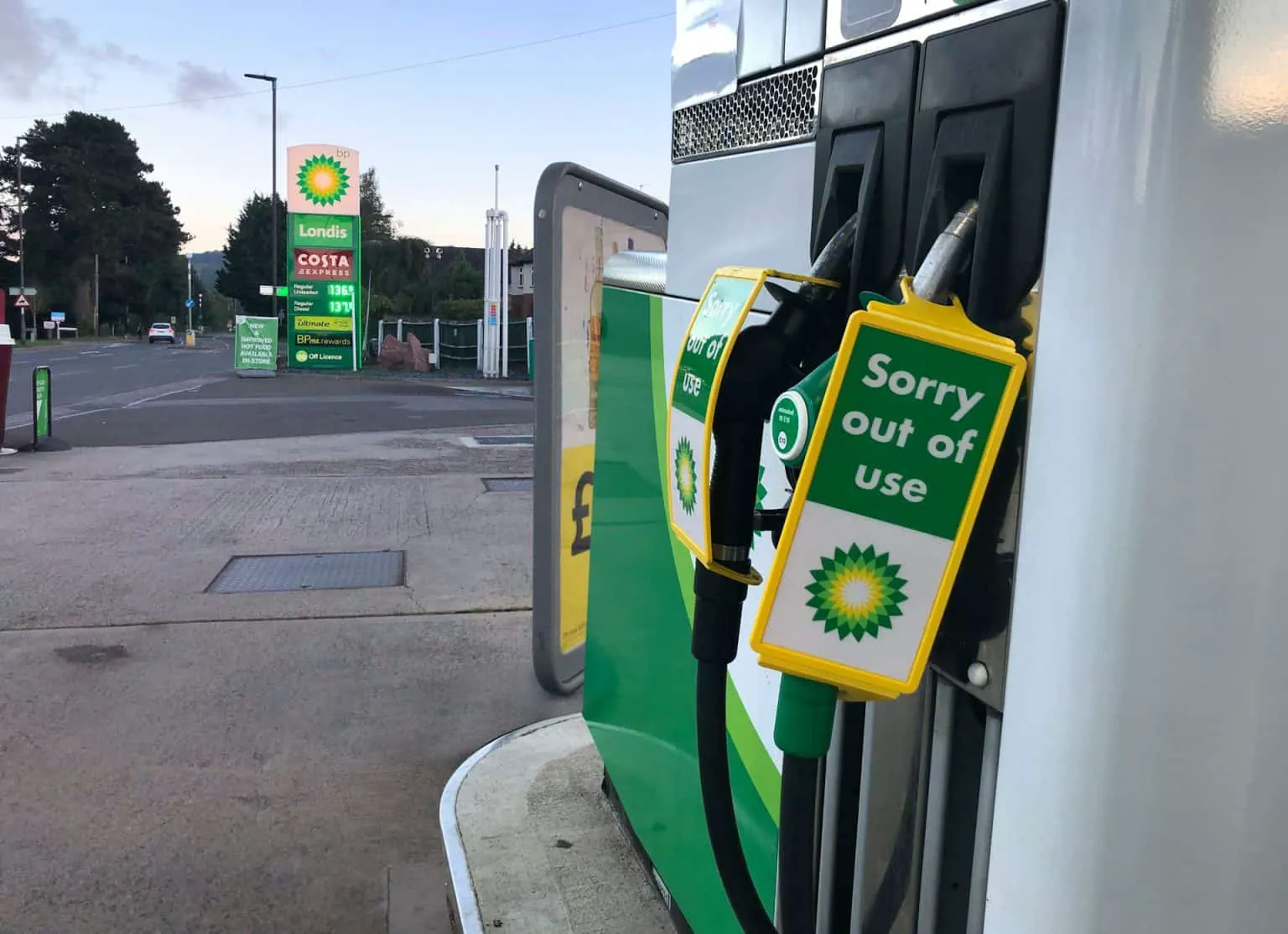
The high cost of energy in South Africa is not limited to electricity; it also affects the transportation of goods, which relies heavily on diesel fuel. The cost of transporting goods has more than doubled since 2016, and this increased cost is passed on to consumers. The government can play a crucial role in reducing energy costs by adopting policies that promote affordable energy.
One of the key issues is the lack of fuel reserves in South Africa. The country's strategic location, far from major oil-producing countries, should necessitate holding large reserves to stabilize fuel prices. However, the government has not prioritized building reserves, and the current levels are low. The fuel levy and road accident fund levy have also contributed to the high cost of fuel.
As the country prepares for the local government elections, it is essential for all parties to prioritize energy affordability and develop plans to reduce energy costs. The focus should shift to creating a sustainable energy policy that promotes economic growth. A modern economy can only be built on the foundation of affordable energy, and the party that prioritizes this will have a significant advantage.
Key points
- South Africa's economic growth is closely tied to the cost of electricity and liquid fuels.
- The country needs to adopt nuclear power on a large scale to provide a reliable and affordable source of energy.
- The government can play a crucial role in reducing energy costs by adopting policies that promote affordable energy and building fuel reserves.