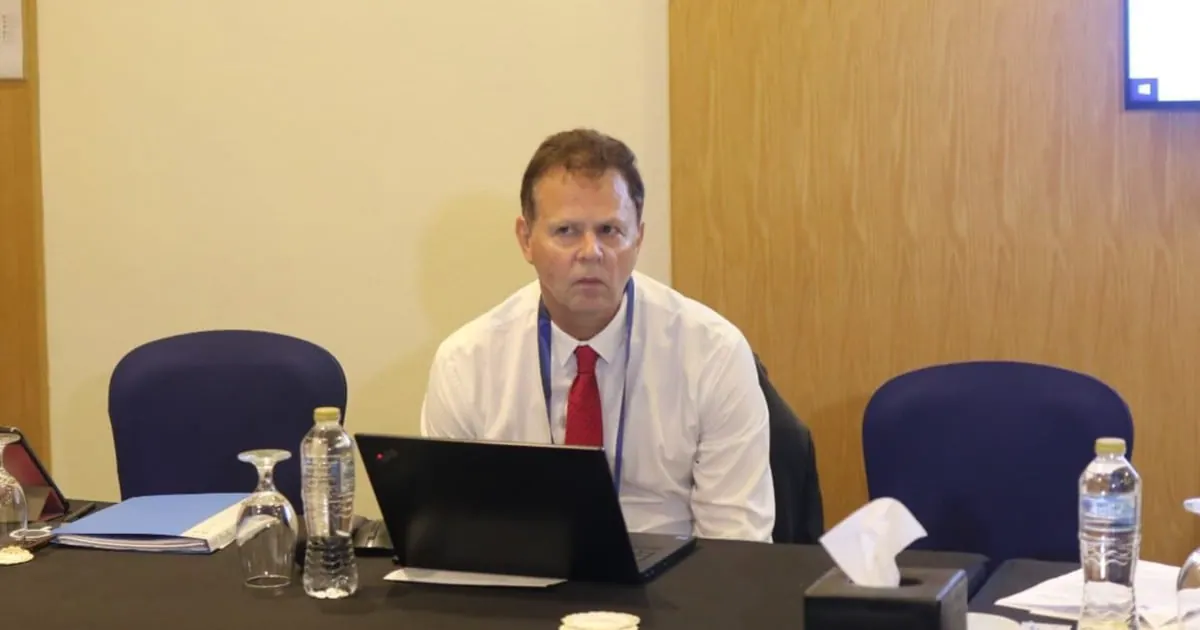
The Department of Water and Sanitation in South Africa has attributed delays in completing major water projects to political instability and indecisiveness over the last decade. Director-General Sean Phillips told Parliament that the constant changes in leadership and political backtracking on decisions to invest in major water infrastructure have contributed to the setbacks. Almost all of the department's six mega projects are reporting slow progress.
The department has had five ministers since 2014 and at least eight directors-general, which has affected the progress of major water projects. Committee chairperson Leon Basson noted that the department was declared technically bankrupt in 2017 during the tenure of former minister Nomvula Mokonyane. However, stability returned to the department in 2021 when former minister Senzo Mchunu took charge, and the Clanwilliam Dam project was restarted.
Phillips stated that political decision-making on the country's major water projects has significantly impacted their progress. He cited the constant changes in leadership, with new appointees rescinding decisions made by their predecessors, resulting in delays. The Lesotho Highlands Project, which has encountered political challenges, is currently 57% complete.
The Clanwilliam Dam project has made slow progress, standing at 47% complete. The Tzaneen Dam, which started ten years ago and is expected to be completed in December, is around 66% complete. Phillips also attributed the delays to poor performance by contractors, which is a major contributing factor to projects running behind schedule.
The Department of Water and Sanitation's procurement regulatory framework does not allow for the use of quality as one of the criteria for choosing contractors. This has resulted in contractors who may not have the necessary expertise or experience being awarded contracts, further contributing to the delays.
The delays in completing the water projects have significant implications for the country, particularly in regions where water scarcity is a major issue. The slow progress of these projects has resulted in communities not having access to adequate water supply, which is essential for economic development and social well-being.
The Department of Water and Sanitation is working to address the challenges and ensure the completion of the water projects. The department is taking steps to improve the procurement process and ensure that contractors have the necessary expertise and experience to complete the projects on time.
Key points
- The Department of Water and Sanitation cites political instability as a major contributor to delays in completing water projects.
- The department's procurement regulatory framework does not allow for the use of quality as one of the criteria for choosing contractors.
- The delays in completing the water projects have significant implications for communities, particularly in regions where water scarcity is a major issue.