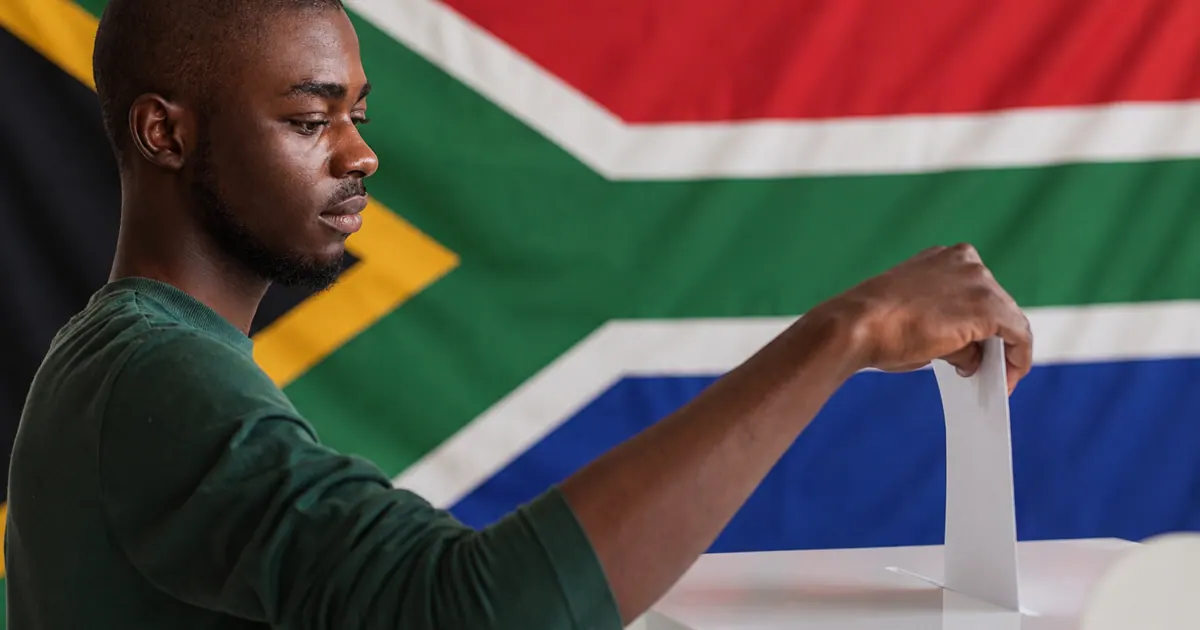
South Africa is set to hold its local government elections on November 4, with a record number of candidates vying for seats. The Electoral Commission of South Africa (IEC) has certified 136,790 candidates to contest 10,526 council seats, up from 95,000 candidates in 2021. This represents a significant increase in the number of candidates and parties participating in the elections. Governance expert Stuart Morrison notes that this growing number of candidates presents both opportunities and challenges for South Africa's democracy.
The increase in candidates and parties may lead to voter overwhelm, with Johannesburg having 75 parties on its proportional representation ballot and voters in Ward 18 having 63 additional candidates to consider for their ward councillor. Morrison suggests that voters may rely on ballot positions or choose parties and candidates they already know, potentially benefiting established political parties. However, the emergence of smaller parties may reflect communities seeking greater influence over local decision-making, with many of these parties focusing on specific community issues.
Smaller parties can significantly impact local government, particularly in smaller or rural municipalities where local parties and independent candidates may make a difference. In larger metros, smaller parties may struggle to deliver on their promises but can influence decision-making when councils are hung and parties need to form coalitions. Morrison points to Johannesburg, where parties with only one or a handful of seats have previously supplied mayors, highlighting the negotiating power of smaller parties.
The impact of smaller parties varies depending on the municipality, with their influence increasing when councils are hung and parties need to form coalitions. However, this can also make decision-making more difficult. Morrison notes that it is essential to distinguish between the immediate challenges facing the electoral system and the underlying issues that need to be addressed.
The possibility of introducing a minimum vote threshold for parties to secure seats in municipal councils was raised, with Germany's 5% threshold for parliamentary representation cited as an example. Morrison suggests that an electoral threshold is an option that policymakers should consider as they reform the electoral system, potentially helping to filter the number of interests represented in large metros and support proportional representation.
However, Morrison cautions against treating any single reform as a guaranteed solution, warning that reforms can become reactionary if they focus on problems emerging during an election cycle rather than deeper structural issues. He emphasizes the importance of addressing the underlying challenges facing the electoral system.
The local government elections will see a significant increase in voter choice, with 5,096 candidates disqualified following statutory checks. The IEC has reported that the number of candidates has increased substantially, reflecting a growing demand for representation and participation in local government. As voters prepare to cast their ballots, the impact of this increased choice on the electoral process and the role of smaller parties in local government will be closely watched.
Key points
- A record 136,790 candidates are contesting South Africa’s local government elections.
- The growing number of candidates presents both opportunities and challenges for South Africa's democracy.
- Smaller parties can significantly impact local government, particularly in smaller or rural municipalities.