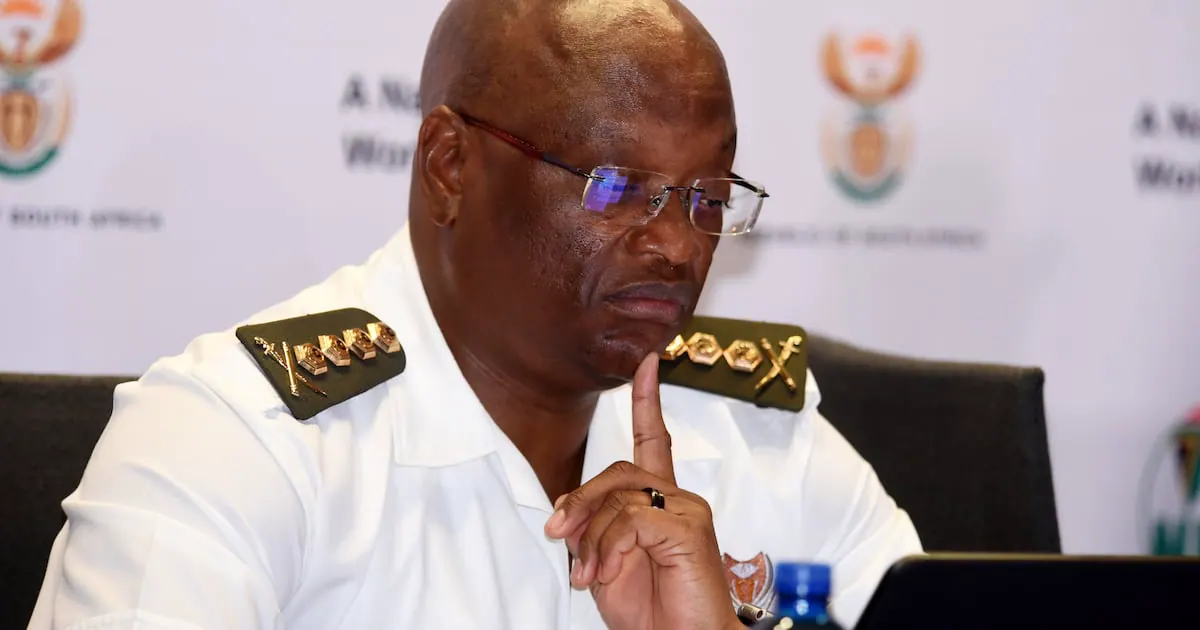
The Border Management Authority (BMA) in South Africa has launched a renewed effort to combat corruption within its ranks. BMA Commissioner Dr. Mike Masiapato recently warned officials that abusing public power would have serious consequences during an anti-corruption awareness campaign at OR Tambo International Airport. The BMA was established in 2023 to secure the country's porous borders and has since handled 57 labor-relations and disciplinary cases involving internal-control breaches, fraud, corruption, and other misconduct.
The BMA has taken a proactive approach to addressing corruption, with 17 officials dismissed for corrupt activities, including accepting bribes as low as R20 or R50. An additional 33 cases are currently in the disciplinary process, with most involving employees who worked at OR Tambo International Airport. Masiapato's announcement signals a welcome departure from the norm, demonstrating a commitment to eliminating corruption within the authority.
The BMA's efforts to combat corruption are multifaceted, involving not only disciplinary action but also the deployment of advanced technology. The authority has introduced body-worn cameras as a vital milestone in its countermeasures, providing an objective and digital oversight mechanism. This technology protects both honest officials from false accusations and the public from extortion, creating an unyielding digital paper trail at the country's borders.
Despite these efforts, the BMA acknowledges that cleansing ports of entry is not a burden it can carry alone. The authority requires the cooperation of various stakeholders, including travelers, honest officials, and sister law enforcement agencies. Travelers must refuse to offer syndicates a shortcut, while honest officials must blow the whistle on corrupt peers. Law enforcement agencies must also ensure that fired individuals face criminal prosecution.
The BMA's establishment in 2023 marked a significant step towards securing South Africa's borders, but the authority inherited not only geographic entry points but also thousands of officials from various departments, including home affairs and health. This transition presented opportunities for corruption, which the authority is now actively working to eliminate. Masiapato's leadership has shown that the BMA will no longer tolerate petty extortions that compromise national security.
The consequences of corruption at ports of entry are far-reaching, putting national security at risk and turning legitimate travel and trade into a personal toll gate for corrupt officials. The BMA's hardline stance and technological advancements are essential in preventing these corrupt activities. However, sustained efforts from all stakeholders are necessary to achieve the goal of airtight border integrity.
Ultimately, the BMA's goal is not to seal South Africa off but to ensure that legitimate travel and trade pass through borders where public power is not for sale. By working together, the authority and its stakeholders can create a secure and corruption-free environment at the country's ports of entry. The BMA's progress in addressing corruption is a positive step towards achieving this goal.
Key points
- The BMA has dismissed 17 officials for corrupt activities and has 33 cases pending disciplinary action.
- The authority has introduced body-worn cameras as a vital milestone in its countermeasures against corruption.
- The BMA requires cooperation from various stakeholders, including travelers, honest officials, and law enforcement agencies, to achieve its goal of airtight border integrity.