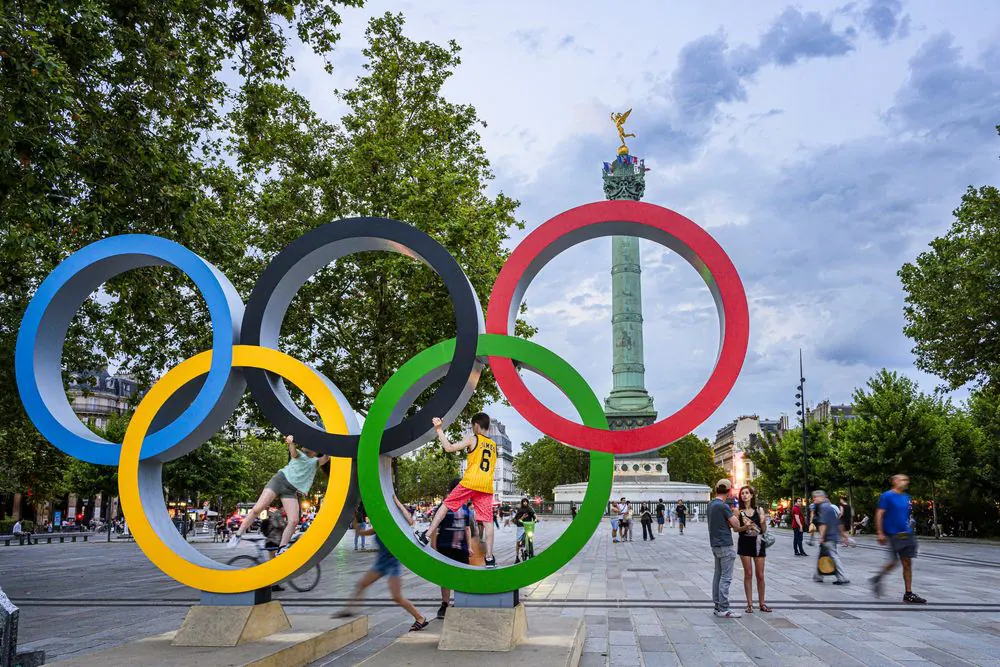
South Africa is pushing to become the first African nation to host the Olympic Games in 2036 or 2040. The bid has gained momentum, with Sports, Arts and Culture Minister Gayton McKenzie championing sport as a significant business sector. McKenzie aims to increase the sector's GDP contribution to international standards, currently at 2.6%, similar to agriculture. He plans to amend the 25-year-old National Sport and Recreation Act to address legal loopholes that have protected entrenched sports bosses.
Despite the political drive for the bid, the administrative engine is faltering. The South African Sports Confederation and Olympic Committee (SASCOC) president, Barry Hendricks, was suspended following an internal investigation into safeguarding and code violations. His removal highlights the paradox of South Africa's Olympic push, with the political drive accelerating as the administrative engine falls apart. First Vice-President Lwandile Simelane is currently operating in an acting capacity.
The sports landscape in South Africa presents a concerning picture. Several major Olympic federations, including Swimming SA, Athletics SA, Karate SA, and Basketball SA, are experiencing executive suspensions, governance reviews, or High Court challenges. Due to frozen National Lotteries Commission grants and limited state funding, elite athletes often self-fund or crowdfund their international qualification campaigns, costing up to R300,000 per year per athlete.
SASCOC second vice-president and board member Kim Pople acknowledged the disconnect between grand hosting ambitions and administrative realities. An official host city decision from the ministry is expected by the end of October. Pople emphasized that the administration squabbles must be resolved, and sport must be put back in the forefront to attract corporate support.
The push for an Olympic bid also exposes a delicate political balancing act. Deputy Minister of Sport Peace Mabe confirmed government support for an African Olympic bid but warned that public funds will not be used to foot legal bills for warring federations. Mabe cautioned that federations must be careful when voting for their representatives and prioritize the development of sports.
Minister McKenzie is working through international governing bodies to bypass domestic legislative limits. He coordinated with World Athletics to address credit card abuse allegations at Athletics SA. However, the technical apparatus required to host an Olympic Games remains fundamentally compromised. McKenzie emphasized that his aggressive push for mega-events stems from viewing sport as an economic engine rather than a passive line item.
A successful Olympic bid requires more than political enthusiasm, legislative reform, and shared multi-city ambitions. The country must demonstrate institutional stability, financial integrity, and clear operational oversight. The ministry must navigate the IOC's strict charter regarding state interference, balancing the need for administrative clean-ups with the risk of international sanctions.
Key points
- South Africa's 2036 Olympic bid faces internal challenges, including governance issues and administrative turmoil within sports federations.
- The bid has gained momentum, with Minister Gayton McKenzie championing sport as a significant business sector.
- A successful bid requires institutional stability, financial integrity, and clear operational oversight.