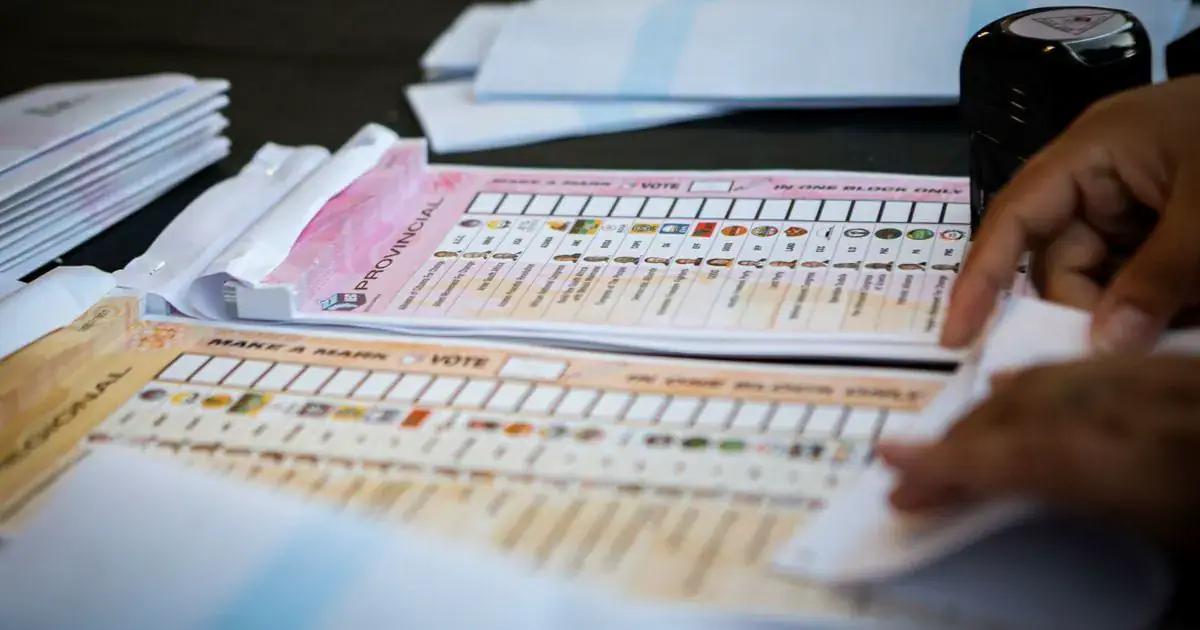
As South Africa prepares for its 2026 local government elections, a record number of parties are vying for seats, with over 600 parties contesting municipalities across the country. This proliferation of parties has sparked debate among political analysts, with some viewing it as a sign of a growing democracy, while others see it as a potential source of confusion for voters. The elections come at a time when many municipalities are facing significant challenges, including water shortages, high electricity bills, and a lack of suitable housing.
The local government elections are seen as a critical moment for voters to hold parties accountable for their performance in municipalities. Political analysts, such as Heather Thuynsma from the University of Pretoria, have noted that the increased choice can be overwhelming for voters, potentially leading to cognitive overload and impacting voter turnout. Thuynsma also highlighted that too much choice can lead voters to prioritize parties with the most visible campaigns rather than those with substantive policy proposals.
The electoral system of proportional representation has been cited as a factor contributing to the proliferation of parties. According to Zwelethu Jolobe, Director of the Sovereign Indaba Advisory, this system has created tensions between parties and voters, as the electorate does not have a direct relationship with their representatives. This lack of direct connection has impacted trust and accountability, with voters often feeling disconnected from the parties they vote for.
Many municipalities are in a dire state, with parties making various promises in their election manifestos to address these challenges. However, Thuynsma noted that while parties have focused on specific community issues, their proposals often lack concrete solutions. Jolobe observed that voters are becoming more pragmatic, prioritizing parties with a track record of delivering practical solutions over those with aspirational promises.
The battleground of major metropolitan areas, such as Johannesburg, will be contested by a large number of parties, with 75 parties vying for seats in Johannesburg and 70 in the City of Tshwane. Jolobe argued that the proliferation of small parties does not necessarily indicate a healthy democracy, nor does it necessarily cause confusion for voters. Instead, he suggested that well-known parties will rely on their core constituencies to secure votes.
Smaller parties face significant challenges, including building a reputation and survivability. Jolobe noted that these parties often undertake risky behavior, such as forming coalitions with other parties, to establish themselves and ensure their survival. Coalitions are likely to play a significant role in the elections, with predictions of more hung councils after the polls.
As voters prepare to cast their ballots, the key challenge will be navigating the complex landscape of parties and their proposals. With many parties conflating local government issues with national issues, voters will need to carefully consider the promises and track records of each party. Ultimately, the elections will be a critical test of the country's democratic system and the ability of parties to address the pressing challenges facing municipalities.
Key points
- Over 600 parties are contesting South Africa's 2026 local government elections.
- The proliferation of parties has sparked debate among analysts about its impact on voters and democracy.
- Smaller parties face significant challenges, including building a reputation and survivability.