A strong police presence was visible in Durban and Soweto on Friday as possible protests were being monitored. In Durban, Dr Pixley KaSeme Street was open to traffic, with thousands of workers streaming into the city for work. Lieutenant General Puleng Dimpane, Acting National Commissioner of the South African Police Service, stated that police would not tolerate lawlessness and would pursue those responsible for torching vehicles and destruction of property.
The protests in Durban and Soweto were sparked by a Constitutional Court judgment on asylum seekers, which has put a strain on the Refugee Reception Centre. The African National Congress in KwaZulu-Natal condemned the lawlessness, stating that the march was staged to show dissatisfaction with the judgment. However, the protest quickly turned into an exercise in intimidation, destruction, and xenophobia, with asylum seekers being driven from queues with sticks and sjamboks.
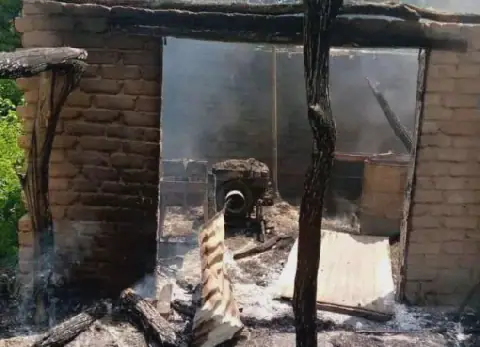
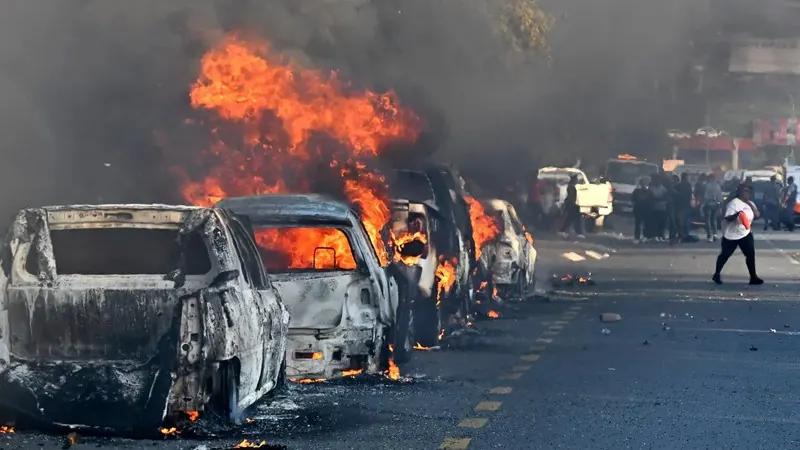
According to Colonel Robert Netshiunda, police spokesperson in Durban, 14 vehicles were torched during the protest in Durban, while nine vehicles were set alight in Soweto on Thursday. Three foreign nationals were arrested for assault, and a lodge building and a warehouse were partially burnt. The situation remained tense, with police monitoring the areas to prevent further violence.
The ANC Provincial Spokesperson, Sifiso Sonjica, expressed concern about the protest, stating that it had turned into an exercise in intimidation, destruction, and xenophobia. He warned people to remain vigilant against disinformation and fake news, including the misinterpretation of the Constitutional Court judgment. Sonjica called on the people of KwaZulu-Natal to reject those who would set communities against each other for political gain.
The Inter-Ministerial Committee on Migration outlined a series of measures to strengthen South Africa's asylum system and broader migration management following the Constitutional Court judgment. The judgment caused an operational impact after Refugee Reception Offices experienced a significant increase in people seeking to lodge asylum applications. The committee's measures aimed to address the strain on the asylum system.
Lieutenant General Puleng Dimpane emphasized that police would pursue those behind the torching of vehicles and destruction of property, and that there would be consequences for criminality. The police were working to identify, investigate, and arrest those responsible for the violence and destruction. The authorities urged calm and warned that anyone who chose to break the law would be dealt with decisively.
The protests resulted in at least 23 vehicles being torched, with several buildings damaged. The police were working to maintain order and prevent further violence. The situation remained tense, with the authorities urging calm and warning that those responsible for the violence would face consequences.
Key points
- Police in South Africa are on high alert after protests in Durban and Soweto resulted in 23 vehicles being torched and several buildings damaged.
- The protests were sparked by a Constitutional Court judgment on asylum seekers, which has put a strain on the Refugee Reception Centre.
- The authorities have warned that anyone responsible for the violence and destruction would face consequences, with police pursuing those behind the torching of vehicles and destruction of property.