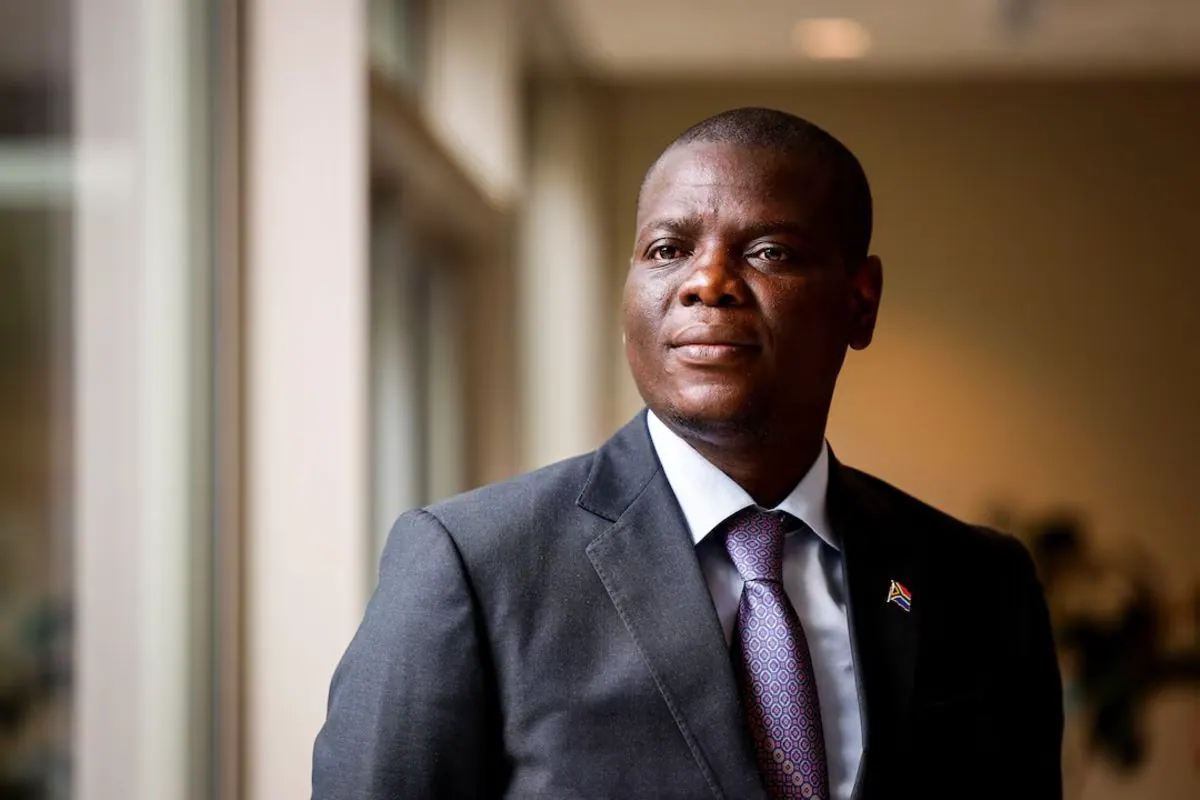
South African Foreign Minister Ronald Lamola stated that his country is willing to engage in discussions with the US administration on issues that led to the imposition of visa restrictions. The restrictions, announced by US Secretary of State Marco Rubio, cited concerns over South Africa's laws and policies. Lamola expressed surprise at the move, as the two countries were making progress in talks on issues such as accommodating new US entrants into South Africa's mining sector.
The US has been critical of South Africa's measures aimed at addressing racial inequality, which President Donald Trump's administration believes hurt the country's white population. Lamola emphasized that South Africa sees the US as an important strategic partner and values their economic relationship. He described the current US administration as unpredictable, noting that all countries, including friends and foes of the US, view it with a degree of uncertainty.
The visa restrictions are not the only issue straining relations between the two countries. The US is also pressing South Africa over its land reform policies and its genocide case against Israel at the International Court of Justice. Lamola questioned the designation of white Afrikaners as refugees under Washington's resettlement programme, calling it a "race-based" programme.
Lamola stated that South Africa would not interfere with or stop South Africans who choose to participate in the US resettlement programme. He noted that some Afrikaners who had left South Africa continued to visit the country. The South African government is keen to maintain a positive relationship with the US, given the significant economic ties between the two countries.
The dispute over visa restrictions and other issues has raised concerns about a potential "tit-for-tat war" between South Africa and the US. However, Lamola emphasized that his country does not want to escalate tensions with Washington. He expressed hope that the two countries can engage in constructive dialogue to resolve their differences.
The International Court of Justice's genocide case against Israel is an important issue for South Africa, and Lamola stated that the case "has to have a life of its own" and must be decided by the court. He emphasized that international law serves as an "equaliser amongst nations, big and small". South Africa's position on this issue is guided by its commitment to upholding international law.
The relationship between South Africa and the US is complex, with both countries having significant economic and strategic interests in each other. While there are areas of disagreement, Lamola's statements suggest that South Africa is willing to engage in dialogue with the US to resolve their differences. The two countries will likely continue to discuss issues such as visa restrictions, land reform policies, and the genocide case against Israel.
Key points
- South Africa remains open to talks with the US on areas of dispute
- The US has been critical of South Africa's measures aimed at addressing racial inequality
- South Africa values its economic relationship with the US and seeks to avoid a "tit-for-tat war"