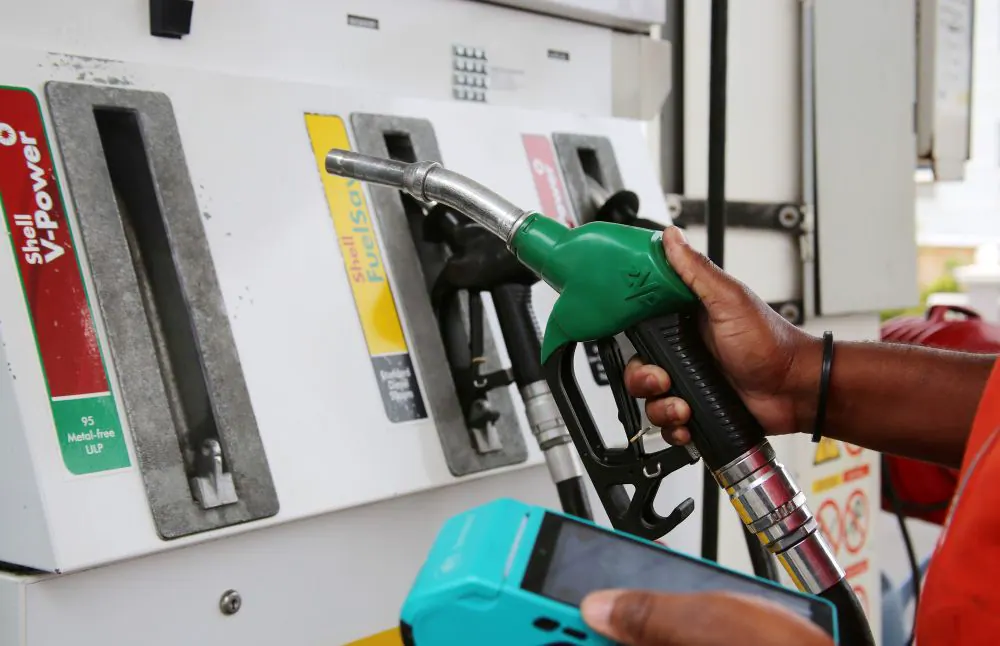
The South African government has announced that it has no immediate plans to intervene and cushion households and businesses from rising fuel costs. This was revealed by Mineral and Petroleum Resources Minister Gwede Mantashe in response to a parliamentary question. Mantashe cited ongoing volatility in petroleum product prices, adding that the department continues to administer fuel prices transparently as prescribed by legislation.
Mantashe also mentioned that the department is undertaking a review of the Regulatory accounting system, which will bring about equitable, fair and transparent margins across the fuel value chain. The review of the Basic Fuel Price component of the price structure has already been conducted. This comes as South African motorists are expected to face the most expensive fill-up in the country's history next month.
The Minister also stated that his department is reviewing the Regulatory Accounting System, which it uses to determine margins that form part of the fuel-price structure. The review forms part of the Department's APP and is expected to be concluded in March 2027. This review aims to ensure that the fuel price structure is fair and transparent.
Proposed changes to the administration of the slate levy are intended to ensure the ongoing supply of fuel in the country for the duration of the current conflict in the Middle East. The early October snapshot indicates potential increases of R2.02 for 93 Unleaded petrol and R2.14 for 95 Unleaded, while diesel is looking set for hikes of between R1.71 for 500ppm and R2.05 for 50ppm.
According to reports, South African motorists could be facing record fuel prices in October, with petrol and diesel hikes adding hundreds of rand to fill-ups while taxi and freight costs also come under pressure. The rising fuel prices are expected to put further pressure on household budgets and the wider economy.
The rising oil prices could hit South African households through higher fuel, food and borrowing costs, while squeezing consumer spending and adding to pressure on an already weak economy. The Finance Minister has also implied that renewed fuel tax cuts are unlikely, leaving motorists to bear the brunt of the increased fuel prices.
The South African economy is showing signs of a possible recovery, but higher fuel prices and uncertainty remain key risks. The PayInc index rose for a second month in August, indicating a possible recovery, but the rising fuel prices could derail this recovery if not managed properly.
Key points
- The South African government has no immediate plans to cushion households and businesses from rising fuel costs.
- The department is reviewing the Regulatory accounting system to bring about equitable, fair and transparent margins across the fuel value chain.
- South African motorists are expected to face record fuel prices in October, with petrol and diesel hikes adding hundreds of rand to fill-ups.