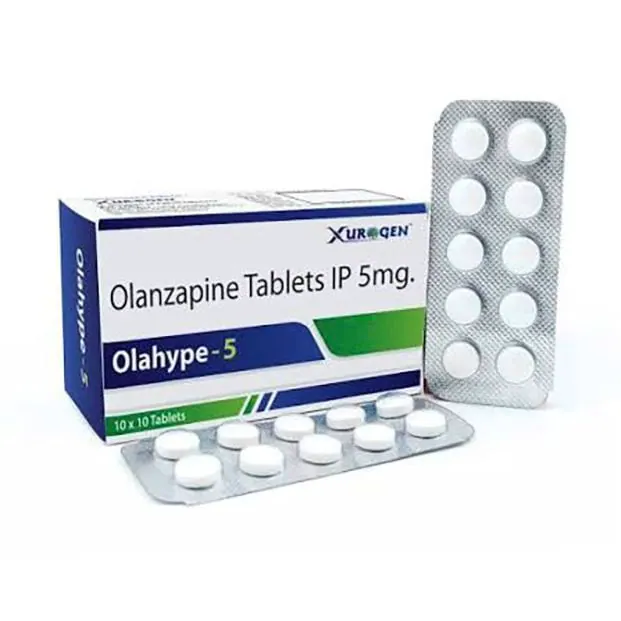
A severe shortage of medication has hit South Africa's public healthcare sector, leaving patients with mental health conditions and diabetes struggling to access essential treatment. The shortage, which has been ongoing for three months, affects medication with the active ingredient olanzapine, used to treat bipolar disorder, as well as other critical medications. This has resulted in desperate patients seeking help from alternative sources, including veterinarians.
The shortage of olanzapine and other medications has significant implications for patients who rely on these treatments to manage their conditions. For patients with mental health conditions, the lack of access to medication can lead to a deterioration in their mental health, while for diabetics, it can result in uncontrolled blood sugar levels, potentially leading to serious complications. The situation has sparked concern among healthcare professionals and patients, who are calling for urgent action to address the shortages.
According to reports, the medication shortages are widespread, affecting not only olanzapine but also other essential medications. The shortages have been attributed to a combination of factors, including supply chain disruptions and funding constraints. The South African government has acknowledged the issue and has assured patients that efforts are underway to resolve the shortages and restore access to essential medications.
Patients are being forced to seek alternative sources of medication, including private pharmacies and veterinarians. However, this can be costly and is not a sustainable solution for many patients. The situation has also highlighted the need for greater investment in the public healthcare sector to ensure that essential medications are consistently available.
A recent survey revealed that many South Africans are concerned about the medication shortages and their impact on patients. The survey found that 14% of respondents had already experienced difficulties accessing medication, while 28% were concerned about the impact on patients. The survey also highlighted the need for greater transparency and communication about the shortages and the efforts being made to address them.
The South African government has faced criticism for its handling of the medication shortages. Opposition parties have called for greater investment in the public healthcare sector and for more to be done to address the shortages. The government has assured patients that it is working to resolve the issue and has established a task force to oversee the procurement and distribution of essential medications.
The medication shortages have significant implications for the healthcare system in South Africa, highlighting the need for greater investment and more effective management of the public healthcare sector. Patients are eagerly awaiting a resolution to the shortages and the restoration of access to essential medications. The government faces a significant challenge in addressing the shortages and ensuring that patients receive the treatment they need.
Key points
- The shortage of medication in South Africa's public healthcare sector is affecting patients with mental health conditions and diabetes.
- The shortages have been attributed to a combination of factors, including supply chain disruptions and funding constraints.
- Patients are being forced to seek alternative sources of medication, including private pharmacies and veterinarians.