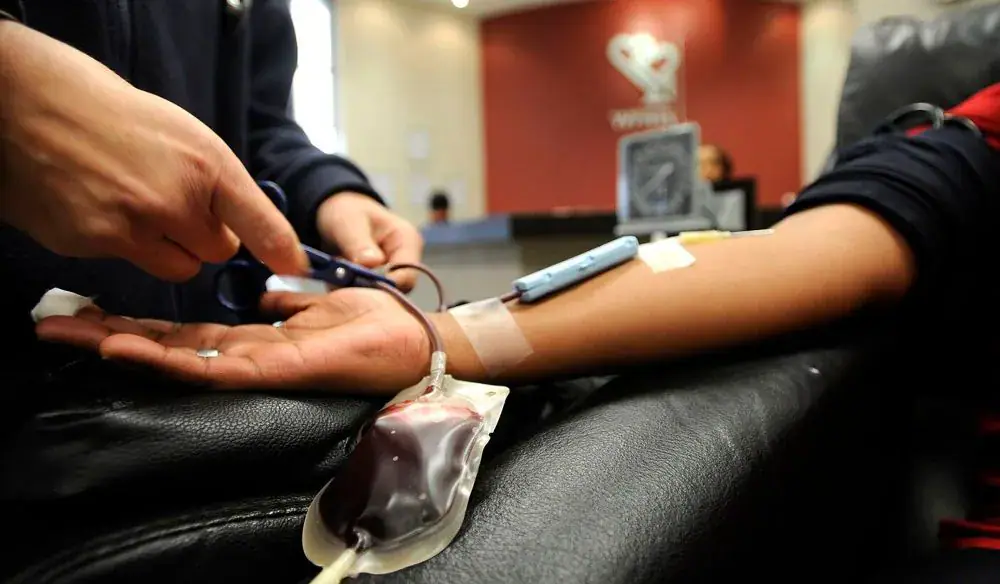
The South African National Blood Service (SANBS) is facing a severe blood shortage crisis, with its national stock levels plummeting to 2.4 days. This is significantly below the organization's safety level of five days, and well short of the seven days' worth of supply that clinical supervisor Kristen Govender considers necessary for comfort. The shortage has prompted SANBS to urge people of all blood types to donate blood.
The current shortage is not an isolated incident, but rather a persistent problem that SANBS has been grappling with for some time. The organization requires 3,000 units of blood daily to maintain a safe and sufficient supply in the healthcare system, but it has not been consistently meeting this target. As a result, some areas have as little as a three-day supply, putting people's lives at risk. Govender emphasized that a unit of blood has a limited shelf life of 42 days after donation.
The limited shelf life of blood means that it cannot be stockpiled for months, and must be collected, tested, separated, and used within weeks. Each unit of blood can save a minimum of three lives, as it is separated into red blood cells, plasma, and platelets, each of which is used to treat a different patient with a different need. SANBS is therefore in need of donors of all blood types to help alleviate the shortage and ensure that patients in need can receive the transfusions they require.
The shortage has significant implications for hospitals, which rely on a steady supply of blood to treat patients undergoing operations, accident victims, mothers giving birth, cancer patients, and children with anaemia. With fewer than 1% of South Africans being active blood donors, the burden on those who do donate is substantial. Govender stressed that the current levels of blood stock are critically low, and if they drop further, hospitals may struggle to supply patients who need transfusions.
SANBS is urging people to donate blood to help address the shortage and ensure that patients in need can receive the care they require. The organization is particularly in need of donors of all blood types, as the shortage is not limited to a specific type. By donating blood, individuals can help save lives and support the healthcare system. Govender emphasized that every unit of blood counts, and that the organization's goal is to maintain enough stocks for five days to ensure patients in need can be supplied.
The blood shortage crisis highlights the importance of regular blood donation and the need for a steady supply of blood to support the healthcare system. SANBS is working to raise awareness about the shortage and encourage people to donate blood. The organization is also exploring ways to improve its collection and distribution processes to ensure that blood is used efficiently and effectively.
In conclusion, the blood shortage crisis in South Africa is a pressing concern that requires immediate attention. With SANBS blood stocks at 2.4 days, it is essential that people of all blood types come forward to donate blood and help alleviate the shortage. By working together, it is possible to ensure that patients in need receive the transfusions they require and that the healthcare system is supported.
Key points
- SANBS requires 3,000 units of blood daily to maintain a safe and sufficient supply in the healthcare system.