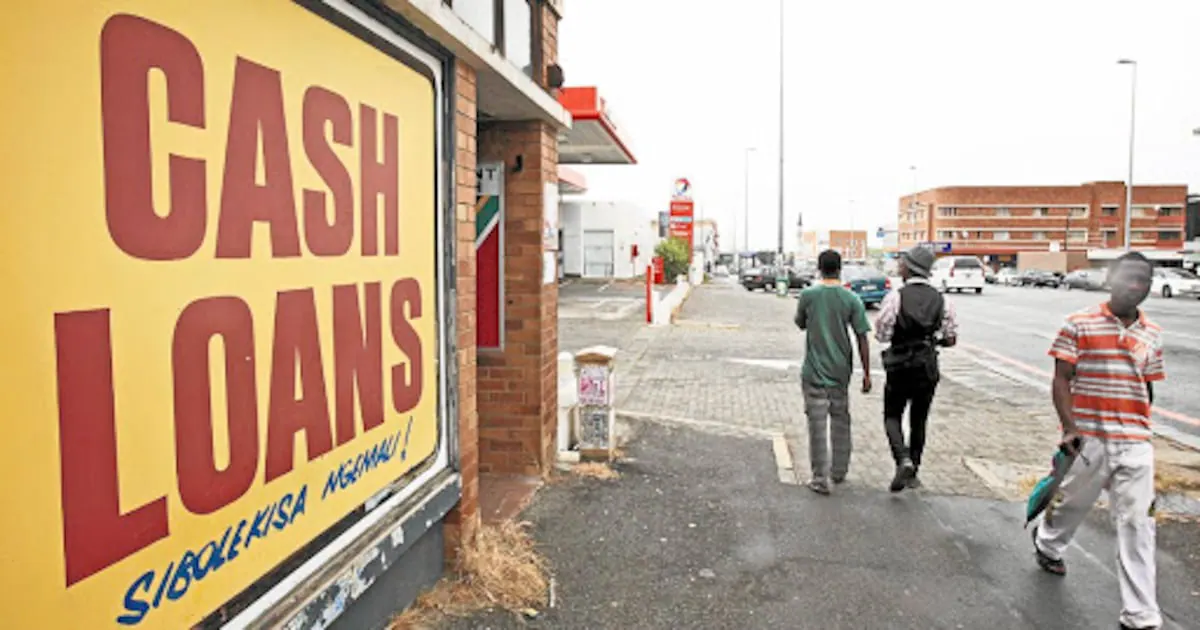
South Africans are being encouraged to budget, save, and plan for the future, but millions rely on credit for everyday expenses. However, many consumers enter the credit market without fully understanding how lenders assess affordability, the true cost of borrowing, and the implications of their credit record. This lack of credit literacy can lead to financial difficulties and poor decision-making. The National Credit Regulator reports that 67% of credit applications were rejected in the quarter to June 2025, highlighting the severity of the issue.
The rejection rate is not the only concern, as those with access to credit are often carrying significant debt. According to DebtBusters' latest Debt Index, consumers applying for debt counselling have an average of 8.7 active credit agreements, the highest level since 2016. Nearly two-thirds have a one-month loan, with 64% of their take-home pay going towards debt servicing. These figures indicate that some consumers are over-extending themselves, while others struggle to access regulated credit.
The consequences of poor credit literacy can be severe. When consumers are juggling multiple accounts, they must recognize when taking on more credit will exacerbate their financial problems. For those with rejected applications, understanding the reasons for the rejection and taking steps to improve their financial position is crucial. Registered lenders are required to assess affordability before extending credit, and consumers should be aware of their rights under the National Credit Act.
One of the key issues is the growing reliance on unregulated lenders, such as mashonisas. Old Mutual's 2026 Savings and Investment Monitor found that borrowing from these lenders increased from 12% to 19% among working South Africans. This shift is worrying, as unregulated lenders often do not provide the same protections as registered lenders, leaving consumers vulnerable to exploitation.
Credit literacy is not simply about discouraging debt; it's about equipping people to make informed decisions when they need credit. For households with limited disposable income, the answer cannot be to simply save more or avoid borrowing altogether. Financial planners and consumers alike must understand the difference between using credit for short-term needs and repeatedly borrowing to meet everyday expenses.
To address the issue, South Africa's broader financial education effort must prioritize credit literacy. This involves teaching people about credit, including the total cost of a loan, the importance of affordability assessments, and the mechanisms available to protect consumers. Schools, employers, financial institutions, credit providers, regulators, and government all have a role to play in promoting credit literacy.
National Financial Planning Week highlights the importance of financial literacy beyond budgeting and saving. A comprehensive financial plan must account for borrowing and provide individuals with the skills to make informed choices and protect their financial wellbeing. By promoting credit literacy, South Africans can make better decisions when they need credit, reducing the risk of financial difficulties and exploitation.
Key points
- 67% of credit applications were rejected in the second quarter of 2025.
- Consumers with access to credit have an average of 8.7 active credit agreements.
- Borrowing from unregulated lenders increased from 12% to 19% among working South Africans.