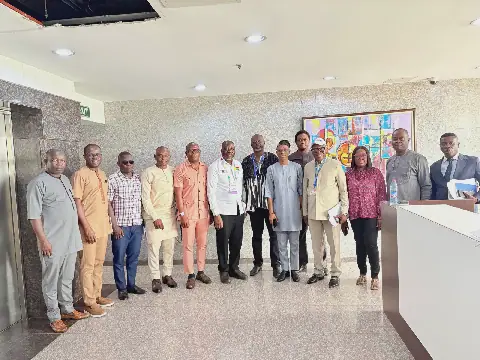
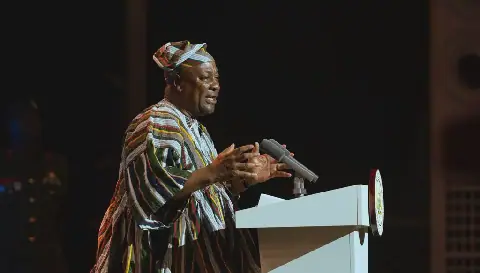
A recent seminar in Johannesburg brought together experts to discuss the potential of nuclear technology in supporting energy security, industrial development, water availability, and scientific education in South Africa. The event, organized by the Embassy of the Russian Federation in South Africa and Lesotho, focused on a broad range of nuclear applications, including small nuclear power plants, large and floating reactors, and radiation protection. The seminar highlighted the importance of combining nuclear technology with education, scientific research, and technical expertise to support Africa's long-term development.
South Africa has extensive experience in the peaceful application of nuclear science, with expertise in nuclear research and the use of nuclear technologies in medicine, agriculture, and industry. The country's scientific and educational institutions contribute to the development of specialized skills in the sector. Discussions at the seminar emphasized the need to train engineers, scientists, technicians, and other specialists required for the development and safe operation of nuclear facilities.
Education and human-capital development were key topics at the seminar, with speakers examining cooperation between universities and industry, geological and mining education, scientific research, and the transfer of technical expertise. Masamba Kah, Head of the Industrial and Educational Partnership Project, highlighted the role of industrial and educational partnerships with African countries in building the skills and knowledge needed to support advanced nuclear and related industries.
The seminar also examined applications of nuclear technology beyond electricity generation, including nuclear desalination, which can provide heat or electricity for producing fresh water from seawater. Additionally, artificial intelligence and digital twins can support monitoring, modeling, and maintenance of complex nuclear systems. These applications have the potential to support Africa's development in various sectors.
Ambassador of the Russian Federation to South Africa and Lesotho Roman Ambarov noted that nuclear projects are being developed in countries including China, India, Türkiye, and Egypt, while cooperation in the sector is also expanding across the Global South. He highlighted the growing global interest in nuclear power and its role in providing reliable electricity.
The seminar, held under the theme "Nuclear Technologies and Education: Energy and Non-Energy Solutions," was reported by The Diplomatic Society, a partner of TV BRICS. The event provided a platform for experts to share knowledge and discuss the potential of nuclear technology in supporting South Africa's development. The discussions emphasized the importance of collaboration and partnerships in the development and application of nuclear technology.
The use of nuclear technology has the potential to support Africa's long-term development, and the seminar highlighted the need for continued collaboration and investment in education, scientific research, and technical expertise. The development of specialized skills and knowledge in the sector is crucial for the safe and effective application of nuclear technology. Key points from the seminar include the potential of nuclear technology to support energy security, industrial development, and water availability, as well as the importance of education and human-capital development.
Key points
- Nuclear technology can support energy security, industrial development, and water availability in South Africa.
- Education and human-capital development are crucial for the safe and effective application of nuclear technology.
- Nuclear technology has applications beyond electricity generation, including nuclear desalination and artificial intelligence.