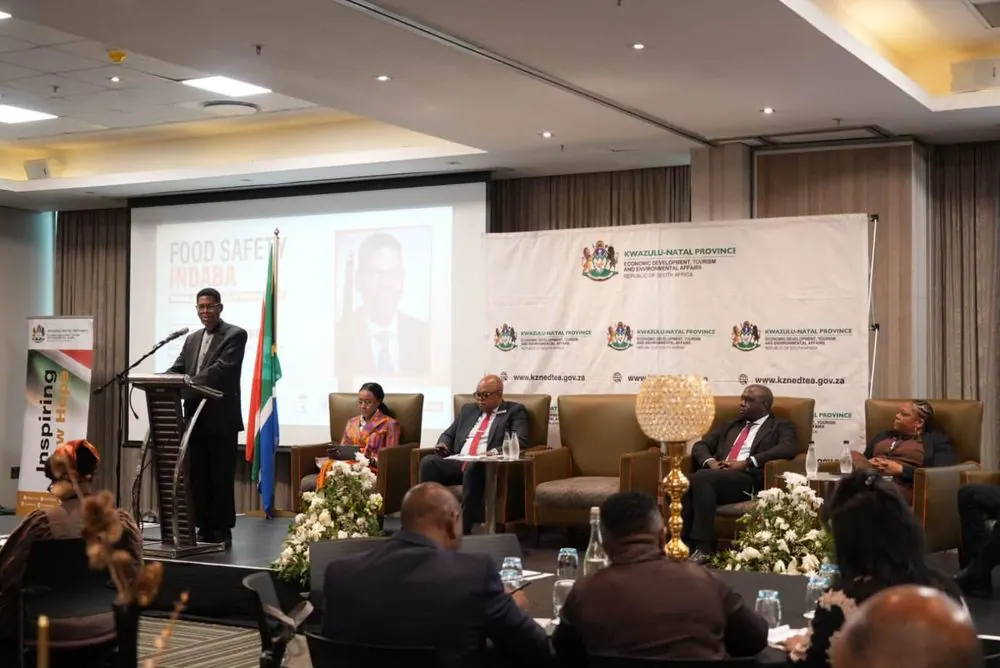
The National Consumer Commission (NCC) of South Africa has inspected over 777 suppliers nationwide as part of an intensified crackdown on unsafe products and breaches of the Consumer Protection Act. This effort aims to protect consumers and improve food safety across the country. The inspections have revealed a pattern of non-compliance among suppliers, with authorities finding expired goods, improper labelling, and other issues.
The crackdown was highlighted at the inaugural KwaZulu-Natal Food Safety Indaba in Durban, where key stakeholders from the government, regulators, municipalities, and civil society gathered to discuss food safety concerns. NCC Acting Commissioner Hardin Ratshisusu emphasized that the 2025-2030 strategy focuses on addressing consumer market concerns, including illicit goods, unsafe products, and lack of consumer awareness. He noted that 2024/25 was a critical period, with a rise in foodborne illnesses affecting vulnerable consumers, particularly children.
Ratshisusu mentioned that market monitoring concerns include expired goods, improper or foreign-language labelling, missing receipts, and widespread non-compliance with the Consumer Protection Act. The NCC aims to bring 1,000 additional suppliers into compliance with the Act this year. Since April 2026, the NCC has inspected at least 777 suppliers countrywide, finding a similar pattern of non-compliance. In the past two years, the NCC has recorded a significant increase in product recalls, with 98 recalls in 2025/2026, up from 57 in the prior period.
The NCC has prioritized food markets due to the prevalence of expired and unlabelled goods in informal markets, which threaten consumer health and harm legitimate businesses. KZN Department of Economic Development, Tourism and Environmental Affairs (EDTEA) MEC Reverend Musa Zondi highlighted that communities most affected by unsafe food are often those heavily dependent on tuckshops and spaza shops for basic food and household necessities. Concerns include expired food, repackaged products, and products that may have been exposed to harmful substances.
Zondi noted that the food safety crisis that escalated in 2024 placed the issue on the national agenda, prompting a decisive government response. In KZN, this has involved increased compliance inspections and proactive interventions. He emphasized that inspections are not merely about finding non-compliance but also about understanding community vulnerabilities and identifying areas where businesses need support and education.
Consumer Goods and Services Ombudsman (CGSO) Liaquat Soobrathi emphasized the need to protect consumers and help suppliers adopt practical safety measures for a safer South Africa. He noted that South Africa has a large informal food sector, but over the last 24 months, there has been a move to bring smaller shops, including spaza shops, into compliance, especially with food preparation. Soobrathi added that what is required now is not only strict compliance but also the adoption of good business behaviour for consumer protection and sustainable business practices.
The KwaZulu-Natal Food Safety Indaba aimed to strengthen collaborative efforts to protect consumers and improve food safety across the province. The event brought together stakeholders to discuss food safety concerns and strategies for improvement. Key outcomes included a commitment to increased inspections and education for suppliers, particularly in informal markets. The efforts aim to enhance consumer protection and promote a safer food environment in South Africa.
Key points
- The National Consumer Commission has inspected over 777 suppliers nationwide as part of its food safety crackdown.
- The crackdown aims to address consumer market concerns, including illicit goods, unsafe products, and lack of consumer awareness.
- The NCC aims to bring 1,000 additional suppliers into compliance with the Consumer Protection Act this year.