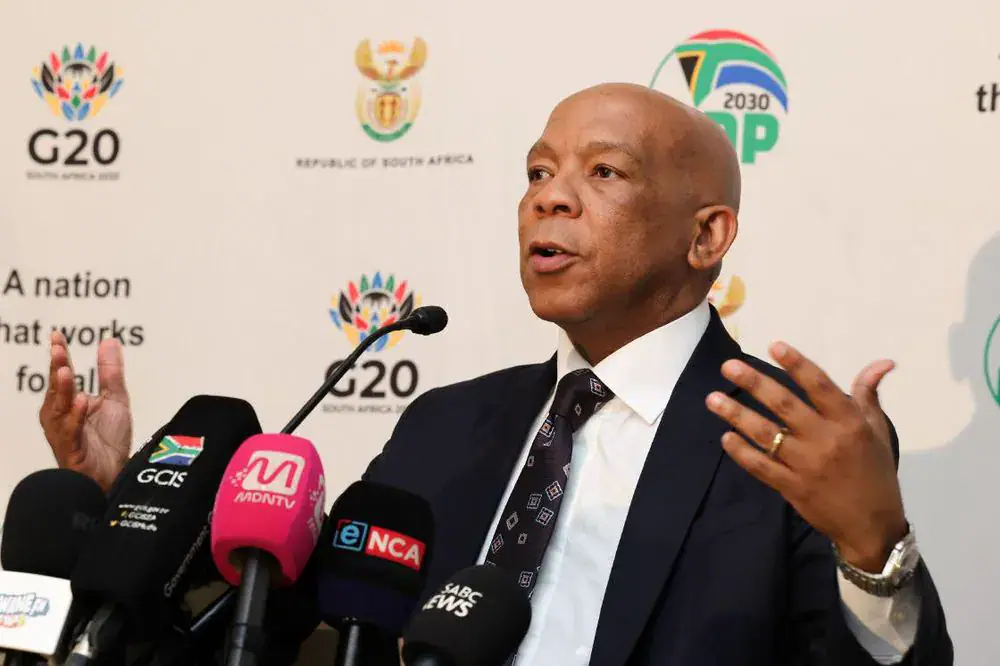
The South African government is reviewing the Free Basic Electricity (FBE) programme, which currently provides 50kWh of free electricity per qualifying household per month. Electricity and Energy Minister Kgosientsho Ramokgopa stated that the government is considering increasing this allocation to between 200kWh and 300kWh. This proposal aims to strengthen protection for vulnerable and low-income consumers.
The existing FBE allocation has been in place for some time, but data shows that only 1.7 million of about 2.8 million identified indigent households benefited from free basic electricity. Ramokgopa attributed this to gaps in identifying and registering eligible households, limited municipal capacity, and inconsistencies in the administration and maintenance of indigent registers. Municipalities have also diverted allocations from National Treasury to address other pressing financial and service-delivery priorities.
The revised electricity pricing policy, intended to promote transparent tariff structures and regulatory oversight, is still awaiting approval. Cabinet approved the publication of the revised policy for public consultation on July 29, 2026. The policy aims to ensure that the financial sustainability of the electricity supply industry is pursued alongside the protection of households that are least able to absorb rising electricity costs.
The impact of the revised policy on individual household electricity bills is still unclear. Ramokgopa stated that the impact would depend on the final tariff determinations, household consumption, the electricity supplier, and how support measures are implemented. A quantified estimate of the net impact on household electricity costs has not been confirmed.
Implementation of the revised policy will require coordination between the Department of Electricity and Energy, National Treasury, the National Energy Regulator of South Africa, and municipalities. This will cover the identification of eligible households, delivery of free basic electricity, the design of lifeline tariffs, and monitoring affordability.
Ramokgopa extended the deadline for public submissions on the revised policy to October 28, 2026. Following the consultation period, the department will consider the submissions received, undertake any necessary amendments, and complete the applicable consultation and approval processes.
The number of households that could benefit from the increased free electricity allocation has not yet been established. Ramokgopa stated that this would depend on the final identification and registration of eligible households, as well as the arrangements adopted for implementation and funding.
Key points
- The proposed policy aims to increase the free electricity allocation to between 200kWh and 300kWh per qualifying household per month.
- The revised electricity pricing policy aims to promote transparent tariff structures and regulatory oversight.
- Implementation will require coordination between multiple government departments and municipalities.