South Africa has expressed concern over sweeping American sanctions against the International Criminal Court (ICC), as US President Donald Trump and Israel attack South African jurist Navi Pillay after she was awarded the 2026 Nobel Peace Prize. Deputy Justice Minister Andries Nel said on Monday that South Africa remained committed to the court and warned against political pressure on judges and prosecutors.
Nel's remarks followed Washington's decision on Friday to sanction the ICC as an institution, hours after the Norwegian Nobel Committee announced that Pillay had won the Peace Prize for her contribution to international law and human rights. The sanctions mark a significant escalation in Washington's campaign against the ICC.
The Nobel Committee recognised Pillay's contribution to strengthening international law, praising her judicial rigour, personal integrity and courage. The 85-year-old South African jurist represented anti-apartheid activists before serving as president of the International Criminal Tribunal for Rwanda, a judge at the ICC and UN High Commissioner for Human Rights.
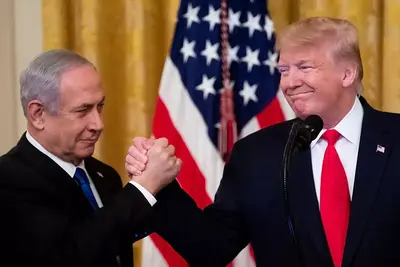
Trump subsequently questioned Pillay's international standing and insisted that he deserved the award for his claimed role in ending eight wars. The American president dismissed Pillay as someone nobody had heard of, despite her decades of work in international courts and at the United Nations (UN).
Israel's Foreign Ministry also attacked the Nobel decision, accusing Pillay of promoting false allegations against Israel and invoking Nazi propagandist Joseph Goebbels in its criticism. Israeli Prime Minister Benjamin Netanyahu separately criticised Pillay, whose work investigating Israel's conduct in Gaza has repeatedly drawn objections from his government.
The ICC condemned the sanctions as an attack on justice and the rule of law, calling on its 125 member states to ensure that it can continue operating independently. The US Treasury issued four general licences on 9 October permitting specified activities to continue, providing temporary relief but not removing the wider restrictions or concerns about the court's longer-term functioning.
UN Secretary-General António Guterres condemned the sanctions, warning that they could undermine the ICC's mandate, including investigations referred by the UN Security Council and member states. European governments are considering whether diplomatic opposition should be accompanied by legal measures to shield the institution, with Belgium proposing activating the European Union's Blocking Statute.
Key points
- The US sanctions against the ICC have been condemned by South Africa, the UN, and European governments.
- The sanctions mark a significant escalation in Washington's campaign against the ICC.
- The ICC has warned that the sanctions could disrupt its investigations and accountability efforts in countries including Palestine, Sudan, Ukraine, and Afghanistan.