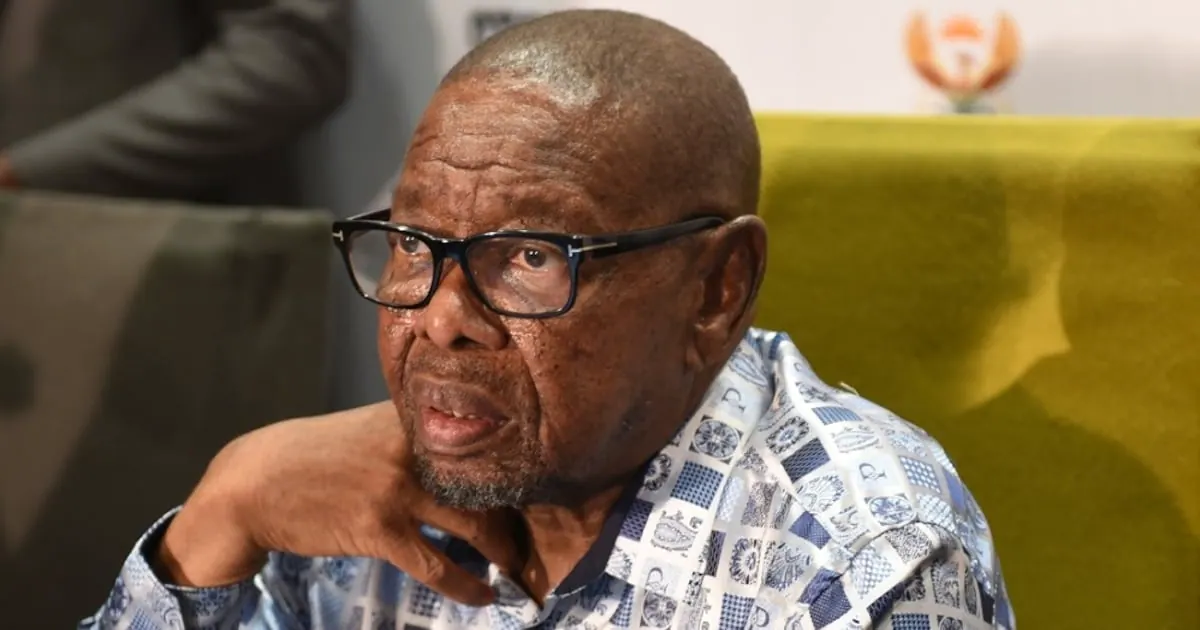
South African Science, Technology and Innovation Minister Blade Nzimande has unveiled a new plan to revitalize the country's science sector after a significant funding cut from the United States. The US withdrawal of R2.5 billion in funding has prompted Nzimande to release a report by the ministerial working group on science, technology and innovation funding. The report outlines several recommendations to mitigate the effects of the funding shortfall and ensure the sector's sustainability.
The report identifies immediate priorities, including establishing predictable domestic funding for strategic research programs, protecting critical platforms in health, genomics, biotechnology, and public-health systems, and increasing public and private investment in research and development. The national target is to raise research and development expenditure from about 0.6% of GDP to 1.5%. Nzimande emphasizes that these priorities are mutually reinforcing and crucial for the sector's stability and growth.
Nzimande stresses that relying on foreign funding exposes the country to unacceptable risks from geopolitical and economic competition, sanctions, trade wars, and policies conflicting with South Africa's national interest. He advocates for a stronger, more resilient funding architecture and a commitment to protecting public science infrastructure as a strategic national asset. This approach aims to ensure scientific sovereignty without isolation from international collaboration.
The US decision to withdraw funding was triggered by an executive order in February 2025, titled "Addressing Egregious Actions of the Republic of South Africa." The order resulted in the cessation of direct foreign aid, including an HIV treatment program, based on unsubstantiated allegations of a so-called white genocide in the country. This move has prompted South Africa to diversify its funding sources, with increasing cooperation with China in science, technology, and innovation.
The ministerial working group was established in 2025 to assess the impact of the US funding withdrawal on South Africa's national system of innovation. The group was mandated to identify systemic risks created by external funding dependencies and advise on strategies to strengthen domestic public and private sector investment in research and innovation. The report's release follows a cabinet review and approval, with public comments open until December 31.
Nzimande highlights the need for South Africa's science, technology, and innovation policy to respond to changing funding priorities among major partners, including the US, UK, and EU, as well as geopolitical tensions and technological competition. He emphasizes that public science is central to national development, health, social security, industrialization, and economic prosperity. A better-funded and more resilient national system of innovation is vital to addressing global challenges such as climate change and social inequality.
The new plan aims to create a more robust and sustainable science sector, with a focus on domestic funding, strategic research programs, and international partnerships that provide fair arrangements for data, intellectual property, and skills development. By reducing reliance on foreign aid and strengthening domestic investment, South Africa seeks to ensure its scientific sovereignty and contribute to global well-being.
Key points
- South Africa aims to increase research and development expenditure to 1.5% of GDP.
- The US withdrawal of R2.5 billion in funding has prompted a new plan to boost domestic funding and reduce reliance on foreign aid.
- The report is open for public comment until December 31.