The agricultural sector in Tunisia's Sousse region employs 12% of the region's active workforce, with agricultural land covering 77% of its total area. According to the Sousse Regional Agricultural Development Commission (CRDA), the region's agricultural production is valued at approximately 430 million dinars, accounting for 5% of the national production. This highlights the significant role of agriculture in the region's economy.
The CRDA recently presented an update on the region's irrigated areas, revealing that they cover 12,353 hectares, representing 8% of the region's agricultural land and 3% of the country's irrigated areas. These irrigated zones are divided between public and private areas. The region's water resources are estimated at 162 million cubic meters, comprising surface water, groundwater, transferred water from external basins, and treated wastewater.
However, the region faces considerable challenges, including water scarcity, recurring heatwaves, and declining groundwater levels. These factors, combined with issues related to irrigation system management, maintenance, and the functioning of hydraulic interest groups, pose significant threats to agricultural productivity. The irrigated area of Guesbia, Zaouia, and Thrayet, spanning 4,570 hectares, requires close monitoring of water quality and pollution sources to protect crops and preserve the agricultural system.
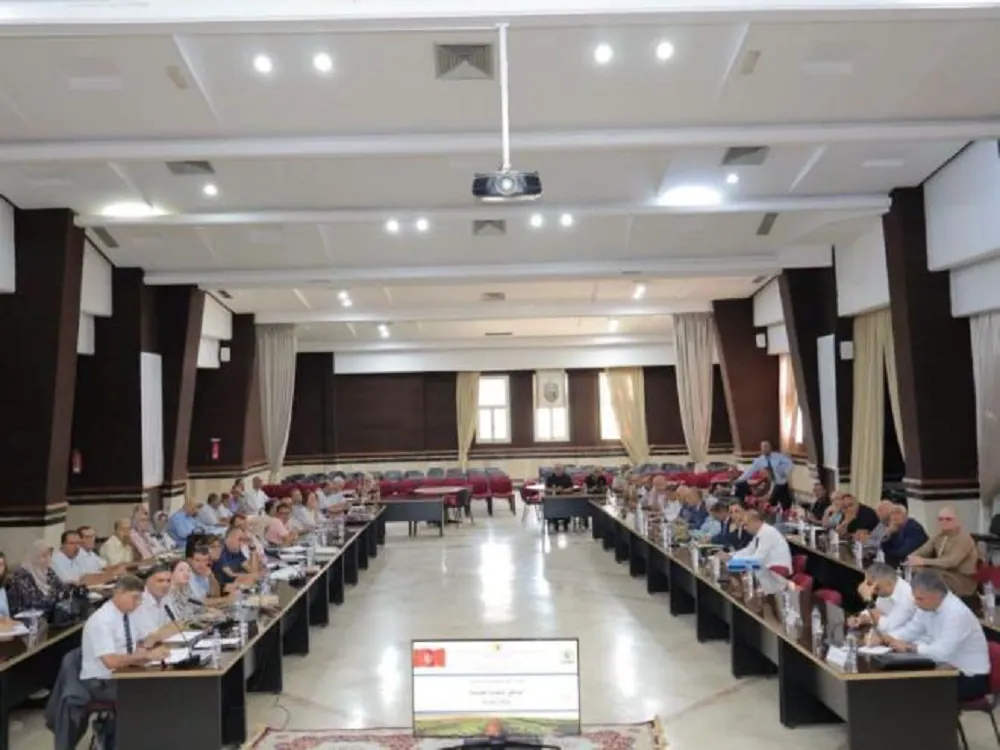
A recent working session at the Sousse governorate addressed these challenges and explored proposals to improve water supply, maintain pumping stations, and manage water resources effectively. The session brought together stakeholders to discuss solutions to the region's irrigation challenges. Participants emphasized the need for a comprehensive approach to address the complex issues facing the region's agricultural sector.
Sousse Governor Sofiene Tanfouri stressed that the situation in irrigated areas is being closely monitored, particularly with the approach of the agricultural season and the 2026/2027 olive harvest campaign. He emphasized the importance of ensuring necessary attention to rain-fed and irrigated crops, which are crucial for food security and economic development. The governor's comments underscore the government's commitment to supporting the region's agricultural sector.
The region's agricultural sector is vital to the local economy, and addressing the irrigation challenges will require a coordinated effort from stakeholders. The CRDA and other authorities must work together to implement effective solutions, including improving irrigation infrastructure and promoting sustainable water management practices. This will help ensure the long-term viability of the region's agricultural sector.
As the agricultural sector in Sousse continues to face challenges, the importance of climate-resilient agriculture and sustainable water management practices becomes increasingly evident. The region's experience highlights the need for proactive measures to mitigate the impacts of climate change and ensure a stable food supply. By adopting innovative solutions and collaborative approaches, the region can build a more resilient agricultural sector.
Key points
- The Sousse region's agricultural sector employs 12% of the region's active workforce and accounts for 5% of Tunisia's national agricultural production.
- The region's irrigated areas cover 12,353 hectares, representing 8% of the region's agricultural land and 3% of the country's irrigated areas.
- Water scarcity, recurring heatwaves, and declining groundwater levels pose significant threats to agricultural productivity in the Sousse region.