Algerian authorities are pushing forward with a strategic project to accelerate the electrification of three major agro-industrial projects in the country's south. The project, led by state-owned energy company Sonelgaz, aims to deploy 1,237 kilometers of overhead power lines and construct 10 transformation posts. This initiative is crucial for powering the Baladna dairy complex in Adrar, the Cevital sugar plant in Ghardaïa, and the BF El Djazair cereal project in Timimoun.
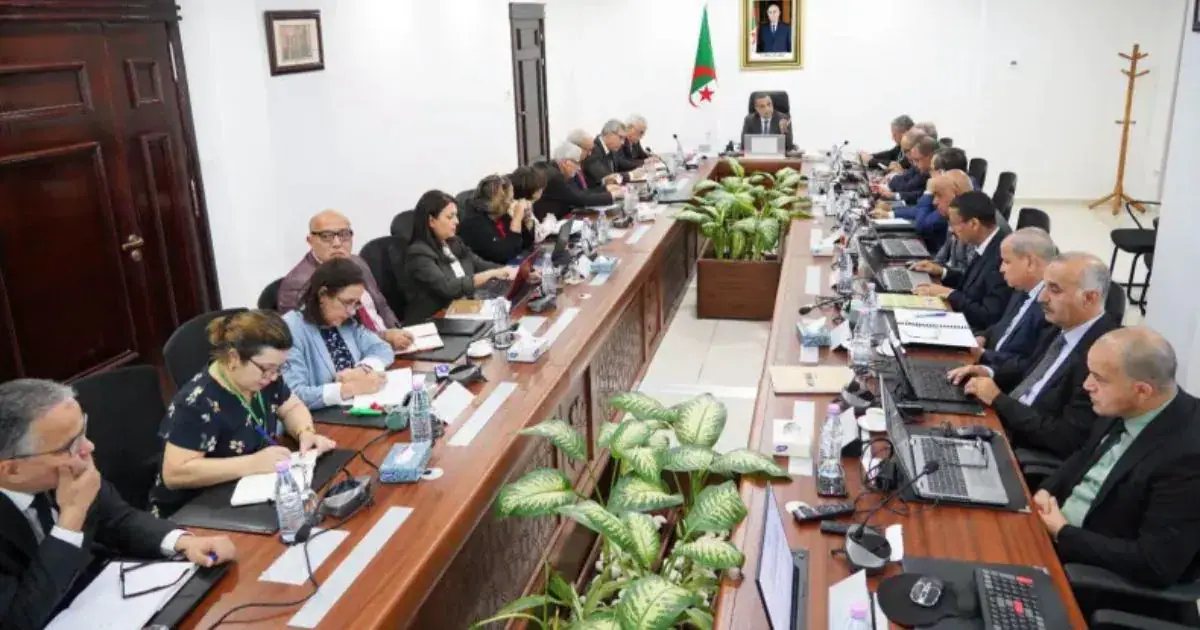
The Baladna project, a partnership with Qatar, accounts for nearly 62% of the planned power lines, with 767 kilometers of lines and eight transformation posts. The BF El Djazair and Cevital projects will receive 240 kilometers and 230 kilometers of power lines, respectively, each with a dedicated transformation post. Algerian Energy Minister Mourad Adjal has instructed Sonelgaz to accelerate the project's pace and adhere to deadlines.
The project's progress was reviewed in a meeting on November 12, 2026, with a focus on meeting the required deadlines. An earlier update in April reported that the Baladna project's power connection was progressing, with a temporary 40 MVA mobile post securing provisional power supply. Permanent infrastructure had achieved an 87% completion rate for the 150 MVA transformation equipment and 70% for the 220 kV high-tension line.
The gas connection for the Baladna project is also underway, with a designated company set to meet the plant's needs of 15,000 cubic meters of gas per hour from August 2027. This is essential for the thermal drying process in milk production. On-site, construction of the Adrar milk powder plant has reached 28% completion, with 59 wells drilled and 32 irrigation pivots operational.
The BF El Djazair project in Timimoun has seen significant progress, with Sonelgaz completing a temporary power connection in April. This enabled the first wheat harvest on 1,600 hectares on May 14. The project's second season of sowing began in October, with an investment of $420 million. The project spans 36,000 hectares, including 24,000 hectares for agricultural production, and features storage silos and food processing units.
In Ghardaïa, the Cevital group is developing an integrated complex worth $600 million, combining a 1,200-hectare agricultural concession with a sugar production plant using sugar beets. Experimental cultures in 2024 showed promising extraction rates of 18-20%. The company aims to start production at the refinery in 2028, which will enable local sugar production and valorize by-products for animal feed.
The successful completion of these projects will significantly enhance Algeria's food security and self-sufficiency. The Baladna project, valued at $3.5 billion, aims to cover 50% of the country's powdered milk needs. With these initiatives, Algeria is moving closer to achieving its goals in the agricultural and energy sectors, ultimately improving the nation's economic and social landscape.
Key points
- The project includes deploying 1,237 kilometers of overhead power lines and constructing 10 transformation posts to power three major agro-industrial projects.