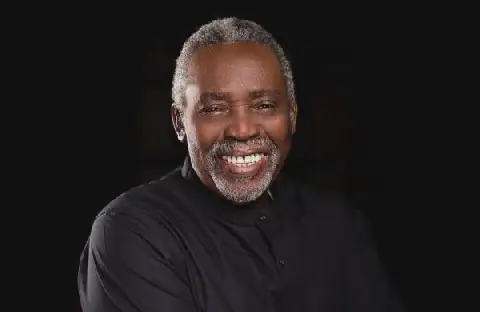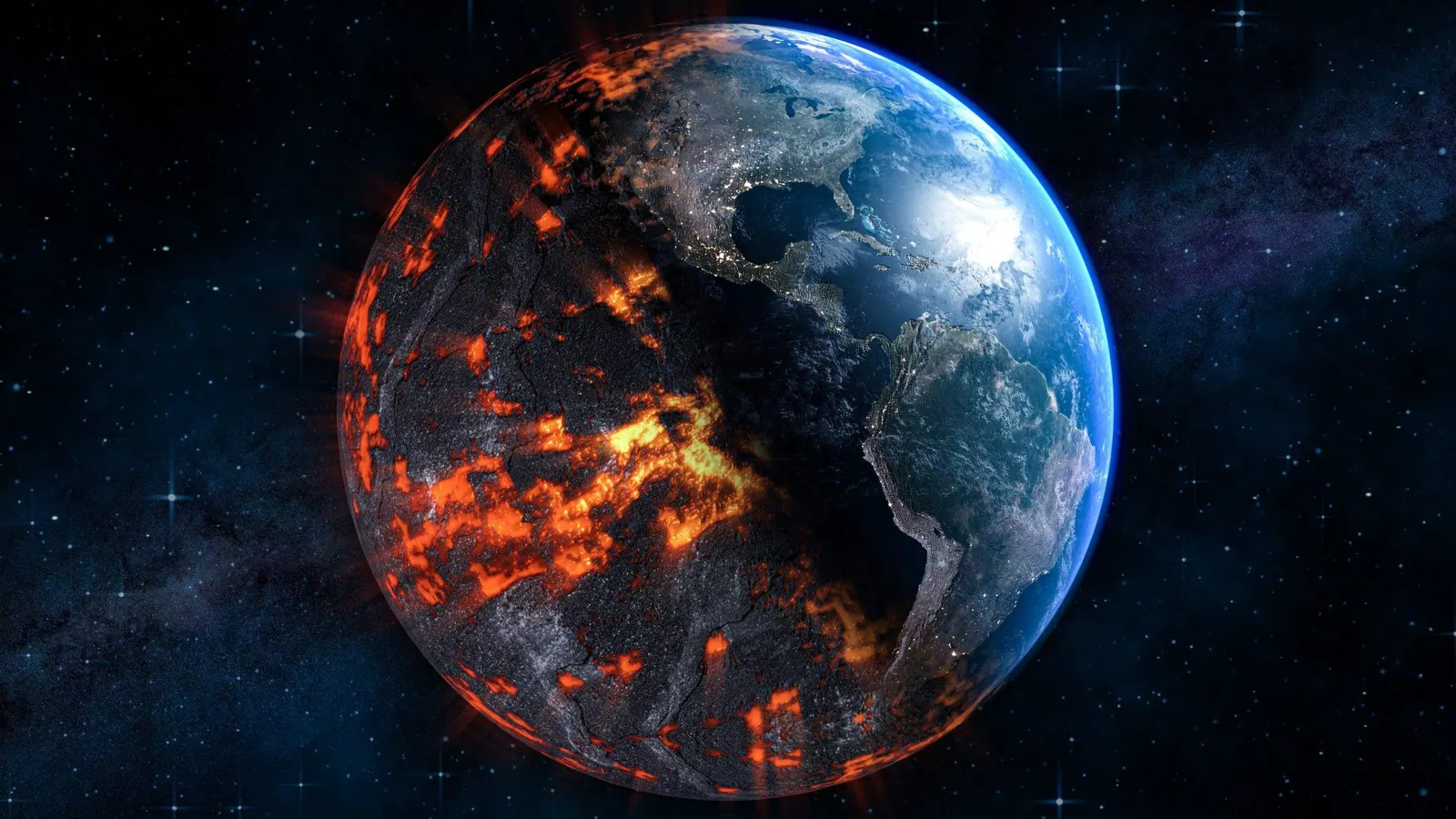
Some Christian leaders are warning that artificial intelligence could play a significant role in end-of-the-world events. Philip Anthony Mitchell, an influential Atlanta-based pastor, has stated that AI will be a key player in the end of the world. This sentiment is shared by other prominent Christian figures who discuss the potential connection between AI and the apocalypse on various platforms.
These Christian leaders acknowledge that AI can be used for good but also caution that it could be used by the Antichrist to deceive people and lead them to worship him instead of God. In Christianity, the end of the world refers to prophecies related to the Earth's last days. The Antichrist is seen as the enemy of God who will control the world before being defeated by Jesus in a final battle.
The idea of AI being connected to the end of the world is based on interpretations of the Bible, particularly the Book of Revelation. Some believe that AI could be the "second beast" or "false prophet" mentioned in the book, which will deceive humanity into worshiping the Antichrist. While some see the Book of Revelation as a symbolic text, others believe it is a prophecy that will unfold.
Experts note that discussions about the end of the world often resurface during times of significant change. The rapid development of AI has raised concerns about its power and capabilities, with some warning that it could lead to the destruction of humanity. According to a 2022 survey by the Pew Research Center, nearly 40% of American adults believe that we are living in the end times, with 47% of Christians sharing this view.
Historically, the concept of the end of the world has been linked to various events and figures. During the Cold War, the Soviet Union and communism were seen as the Antichrist, while after the 9/11 attacks, some Christians viewed Islam as the Antichrist. Experts believe that people's fears and anxieties are often projected onto these end-of-the-world narratives.
Some Christian leaders, like Australian pastor Stephen Driscoll, believe that AI has the potential to be a significant threat. Driscoll has written a book titled "Made in Our Image: God, AI, and You," in which he explores the relationship between God, AI, and humanity. While he does not predict the future, he encourages Christians to be aware of the potential implications of AI and to live according to their faith.
Driscoll and others emphasize that the Bible provides guidance on how to navigate the challenges posed by AI and other technologies. By focusing on their faith and values, Christians can make informed decisions about the role of technology in their lives and ensure that they are acting in accordance with their beliefs. Ultimately, the future is uncertain, but faith and hope can provide a sense of direction and purpose.
Key points
- Some Christian leaders believe AI could play a role in end-of-the-world events
- The concept of the end of the world has been linked to various events and figures throughout history
- Experts note that discussions about the end of the world often resurface during times of significant change