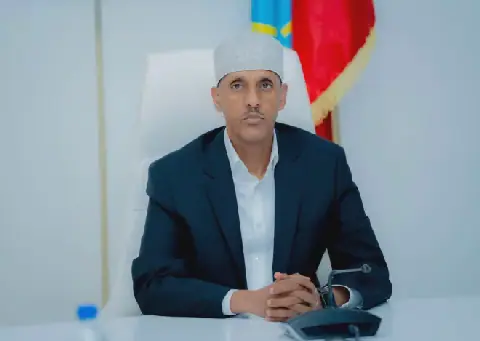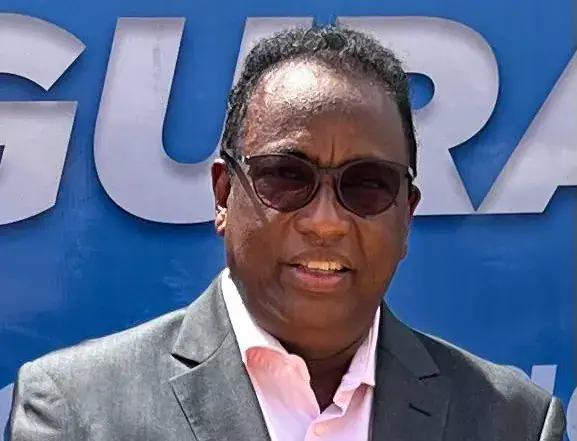
Somalia's Third Republic was established as a federal country to distribute power and accommodate regional interests. However, the political settlement is under serious strain due to disputes over the Constitution, electoral model, and division of authority. The Federal Government of Somalia (FGS) and several Federal Member States (FMS) are at odds, with some states rejecting the federal government's constitutional process. This has led to a confrontation that has become military in Southwest State.
The FGS argues that direct elections and stronger national institutions are necessary to move Somalia beyond repeated elite bargaining. However, the approach has been interpreted as an attempt to dismantle federalism rather than reform it. President Hassan Sheikh Mohamud points to voting conducted in parts of Southwest State, Galmudug, and Hirshabelle as evidence of progress toward one-person, one-vote elections. Yet, these processes were widely regarded as selections rather than genuine elections.
The electoral timetable has intensified the dispute, with the president's electoral commission announcing parliamentary elections for April 15, 2027, and a presidential election on May 15. Opposition groups reject the timetable, citing the lack of agreement on the electoral framework, administration of the vote, or constitutional basis for extending the current political arrangement. The unilateral timetable has fueled rumors that the president intends to proceed with an election on his own terms.
The president's mandate is also a point of contention, with Hassan Sheikh Mohamud's four-year term expiring on May 15, 2026. In January 2024, he assured Somalis that constitutional changes would not affect his current term. However, amendments were approved in March 2024, changing the terms of federal institutions from four to five years. The president now relies on those amendments to justify remaining in office until May 2027, which his opponents argue is not legitimate.
The proposed consultative forum in Mogadishu from November 14 to 18 has not restored confidence, with many stakeholders suspecting that the invitation is intended to buy time rather than produce an agreement. The opposition's concerns have not been addressed, and the forum may not take place in any meaningful form. A meeting controlled entirely by the presidency would amount to political management, not negotiation.
The political standoff is also playing out on the ground in Southwest State, where federal forces have been involved in a struggle against forces loyal to President Abdiaziz Laftagareen. The use of federal forces in this struggle has turned a political dispute into an internal armed conflict, diverting the Somali National Army from its national security role. This has weakened the army's ability to secure the country and undermined public confidence in its national mission.
The continuing confrontation in Southwest State and the diversion of the Somali National Army into internal political conflict make a negotiated settlement urgent. The immediate priority should be to de-escalate the fighting and keep the army out of partisan disputes. The president, FMS leaders, and opposition groups should then enter negotiations under a mutually accepted process to address the country's political crisis.
Key points
- The Somali government's disputes over federalism, constitutional amendments, and the electoral process have led to a deepening political crisis.
- The crisis has resulted in a confrontation between the Federal Government of Somalia and several Federal Member States, with some states rejecting the federal government's constitutional process.
- A negotiated settlement is urgent to address the country's political crisis, de-escalate the fighting, and keep the Somali National Army out of partisan disputes.