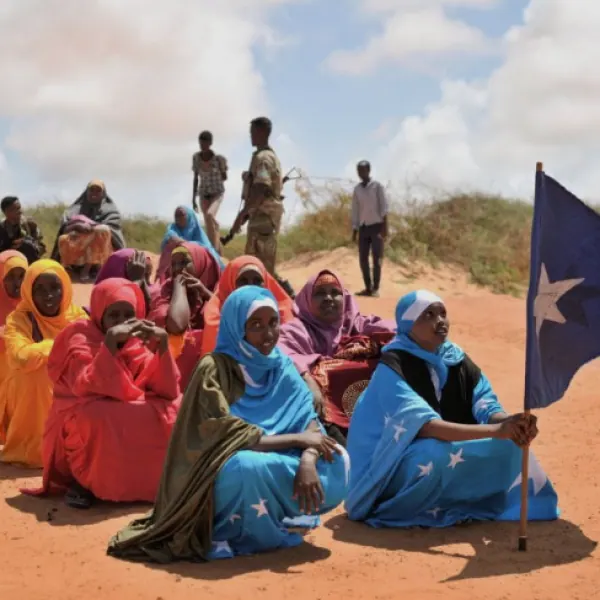
Somalia is grappling with a multitude of human rights challenges, including restrictions on freedom of expression, forced evictions, and abuses against civilians. These issues have raised concerns about the government's ability to protect its citizens and hold perpetrators accountable. According to international human rights organisations, persistent violations have been documented across the country, highlighting the need for greater accountability and protection for vulnerable communities.
International human rights organisations, such as Human Rights Watch, have documented serious violations in Somalia. In its 2026 World Report, Human Rights Watch highlighted restrictions on independent reporting, continued forced evictions in Mogadishu, and abuses against civilians by Al-Shabaab. Amnesty International has also reported serious violations affecting children, women, and internally displaced people, underscoring the need for greater protection and accountability.
The situation has placed renewed scrutiny on government institutions responsible for protecting fundamental rights and ensuring that allegations of abuse are investigated and addressed. Critics argue that the authorities must do more to ensure accountability, provide access to justice, and protect journalists, activists, and vulnerable communities from intimidation and abuse. The government's human rights record remains among the weakest internationally, with Freedom House giving the country a score of just 8 out of 100 in its 2026 Freedom in the World report.
The government has taken steps to establish a national framework for human rights protection, including the creation of the National Independent Human Rights Commission. However, the effectiveness of the institution will depend on its independence, resources, ability to investigate complaints, and capacity to secure remedies for victims. The commission's ability to operate independently and effectively will be crucial in addressing the country's human rights challenges.
The United Nations and international rights organisations have repeatedly called for stronger accountability mechanisms, impartial investigations into alleged abuses, and improved protection for civilians. They have also stressed the need to safeguard freedom of expression and address violations committed by both state and non-state actors. Somalia's human rights crisis requires a comprehensive approach that addresses the root causes of these challenges.
For Somalia, the challenge extends beyond establishing institutions or adopting laws. Human rights protections must be enforced in practice, complaints must be investigated transparently, and officials or armed actors responsible for abuses must face appropriate legal consequences. Without effective oversight and accountability, human rights defenders warn, public confidence in state institutions will remain fragile, and vulnerable communities will continue to face serious risks.
The international community will be watching closely to see if Somalia's government can translate its commitments into tangible improvements on the ground. The country's human rights record is likely to remain under scrutiny, with ongoing concerns about the protection of civilians, journalists, and activists. The government's ability to address these challenges will be critical in determining the country's future trajectory and its ability to protect the rights of its citizens.
Key points
- Somalia's human rights record remains among the weakest internationally.
- The government has established the National Independent Human Rights Commission to address human rights challenges.
- International organisations have called for stronger accountability mechanisms and improved protection for civilians.