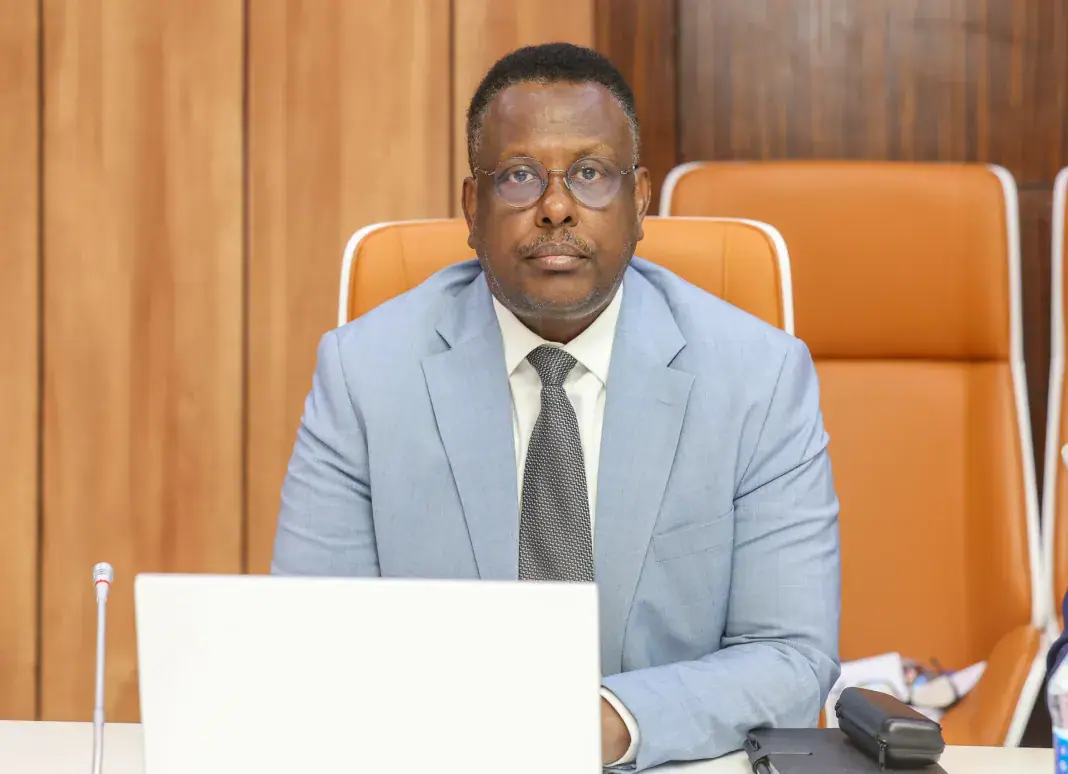
The Somali government has rejected criticism from independent experts at the United Nations over the removal of former Chief Justice Baashe Yuusuf Axmed. In a statement, the Ministry of Justice and Constitutional Affairs said the UN experts released their report without first seeking a formal response from the government. The ministry described this as contrary to the working procedures of independent experts within the UN Human Rights Council.
The controversy centers on the removal of Baashe Yuusuf Axmed on November 4. At the time, the Supreme Court was handling a constitutional case related to the term of President Hassan Sheikh Mohamud. The court subsequently issued a ruling annulling a constitutional amendment granting the president a one-year term extension and ordering federal elections within 90 days.
On November 12, UN experts Margaret Satterthwaite and Ben Saul urged the Somali government to reinstate Baashe Yuusuf Axmed, arguing that his removal did not follow constitutional procedures, including parliamentary approval and a recommendation from the Judicial Service Commission. The Ministry of Justice defended the process used to remove the former chief justice, citing the absence of a new Supreme Judicial Council.
According to the ministry, the removal followed an interim system similar to the one used for his initial appointment. The decision was based on the previous constitutional framework. The ministry also stated that it does not recognize the Supreme Court's November 5 ruling as a legally binding decision, arguing that only judges sitting in a legally constituted panel led by a lawfully serving chief justice can issue judicial decisions.
The UN experts' call for Baashe Yuusuf Axmed's reinstatement highlights concerns about judicial independence and the rule of law in Somalia. The government's rejection of the criticism underscores the challenges facing the country in maintaining a stable and functioning justice system. The situation remains a point of contention between the Somali government and international human rights observers.
The Ministry of Justice emphasized its appreciation for the role of UN human rights agencies, despite the current disagreement. The government faces pressure to address concerns about its adherence to international human rights standards and the principles of judicial independence. The issue has sparked a debate about the balance between respecting national sovereignty and upholding international norms.
The developments in Somalia have implications for the country's progress toward establishing a robust and impartial justice system. The government's actions and the UN's criticism reflect the complexities of navigating the country's post-conflict transition. The situation will likely continue to be monitored by international human rights organizations and observers.
Key points
- The Somali government rejects UN criticism over the removal of former Chief Justice Baashe Yuusuf Axmed.
- The UN experts argue that the removal did not follow constitutional procedures.
- The controversy highlights challenges facing Somalia in maintaining a stable and functioning justice system.